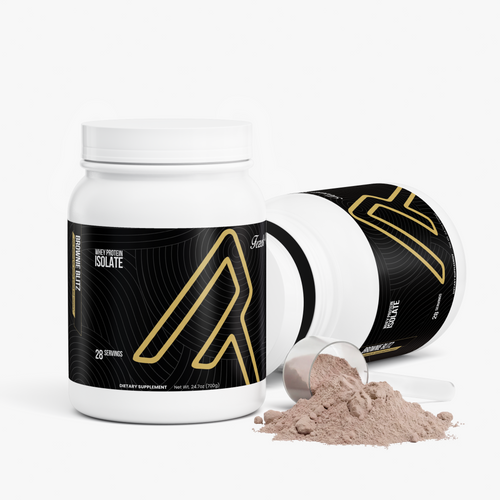
Achieving a healthy body composition often involves a combination of diet, exercise, and lifestyle adjustments. For many people, the idea of using fat-burning supplements can seem like a shortcut to faster results. While some ingredients have scientific backing, others lack evidence or pose safety concerns. This article breaks down how fat-burning supplements work, what ingredients deserve attention, and the best practices for incorporating them safely into a weight-loss plan.
How Fat-Burning Supplements Are Supposed to Work
Most fat-burning products claim to increase the body’s ability to oxidize stored fat, suppress appetite, or boost metabolic rate. The underlying mechanisms typically involve one or more of the following pathways:
- Thermogenesis: Raising body temperature slightly to burn extra calories.
- Lipolysis stimulation: Encouraging the breakdown of triglycerides into free fatty acids.
- Appetite regulation: Influencing hormones such as ghrelin or leptin to reduce hunger.
- Energy expenditure: Enhancing the activity of the central nervous system to increase overall calorie use.
Understanding these mechanisms helps differentiate products that rely on well-studied ingredients from those that merely market vague “fat-burning” claims. For a deeper dive into the science behind these processes, Read more about this topic.
Commonly Studied Ingredients
Caffeine
Caffeine is one of the most researched ergogenic aids. It can raise resting metabolic rate by 3-4″?% and improve exercise performance, which may indirectly support fat loss when combined with a proper training regimen.
- Typical dose: 100-200″?mg per serving.
- Potential side effects: jitteriness, increased heart rate, sleep disturbances.
- Best use: taken before workouts or in the morning to avoid interference with nighttime sleep.
Green Tea Extract (EGCG)
Epigallocatechin gallate (EGCG) from green tea has antioxidant properties and modestly enhances thermogenesis, especially when paired with caffeine.
- Effective dose: 250-500″?mg of standardized extract.
- Safety profile: Generally safe, but high doses may affect iron absorption.
Yohimbine
Derived from the bark of the Yohimbe tree, yohimbine can block ??2-adrenergic receptors, potentially increasing fat release from stubborn areas.
- Typical dose: 5-20″?mg before exercise.
- Precautions: May cause anxiety, elevated blood pressure, or heart palpitations; not recommended for individuals with cardiovascular conditions.
L-Carnitine
L-carnitine transports long-chain fatty acids into mitochondria for oxidation. While evidence for weight loss is mixed, it may benefit those with low dietary carnitine intake.
- Suggested dose: 500-2,000″?mg per day.
- Note: Benefits are more apparent when combined with regular aerobic exercise.
Safety Considerations and Potential Risks
Even well-studied ingredients can cause adverse effects when misused. Below are key safety guidelines to follow before adding any supplement to a weight-loss plan.
- Consult a healthcare professional: Particularly important for individuals with hypertension, heart disease, thyroid disorders, or those taking prescription medication.
- Start with the lowest effective dose: Gradually assess tolerance before increasing the amount.
- Avoid stacking multiple stimulants: Combining caffeine-rich supplements with other stimulants can lead to excessive heart rate and anxiety.
- Monitor sleep quality: Stimulants taken later in the day can disrupt circadian rhythms, undermining weight-loss efforts.
- Check for contaminants: Choose products that undergo third-party testing for purity and label accuracy.
For a comprehensive checklist on supplement safety, Learn more in this detailed guide.
Integrating Supplements Into a Holistic Weight-Loss Plan
Supplements should complement, not replace, core weight-loss strategies. The following framework helps ensure a balanced approach:
- Nutrition: Prioritize a calorie-controlled, nutrient-dense diet rich in lean protein, fiber, and healthy fats.
- Exercise: Combine resistance training (2-3 sessions/week) with moderate-intensity cardio (150″?min/week).
- Sleep & Stress Management: Aim for 7-9″?hours of sleep and incorporate stress-reduction techniques such as meditation or yoga.
- Supplement Timing: Align stimulant intake with workout windows; take non-stimulant ingredients with meals to improve absorption.
- Progress Tracking: Record body measurements, strength gains, and energy levels rather than relying solely on scale weight.
When used responsibly, a well-chosen supplement can provide a modest edge. To explore how specific ingredients might fit into your regimen, Explore further insights here.
Common Myths About Fat-Burning Supplements
- Myth: “One pill will melt away belly fat.” – Reality: No supplement can target fat loss in a specific area without overall calorie deficit.
- Myth: “Natural = safe.” – Reality: Even plant-derived compounds can have potent pharmacological effects and interact with medications.
- Myth: “More is better.” – Reality: Exceeding recommended doses increases risk of side effects without proportionate benefits.
Conclusion
Fat-burning supplements can play a supportive role in a structured weight-loss program when they contain evidence-based ingredients, are used at appropriate dosages, and are paired with solid nutrition and exercise habits. Prioritizing safety, consulting healthcare professionals, and maintaining realistic expectations are essential steps toward sustainable, healthy weight loss. For additional resources and evidence-based recommendations, Find additional information here.