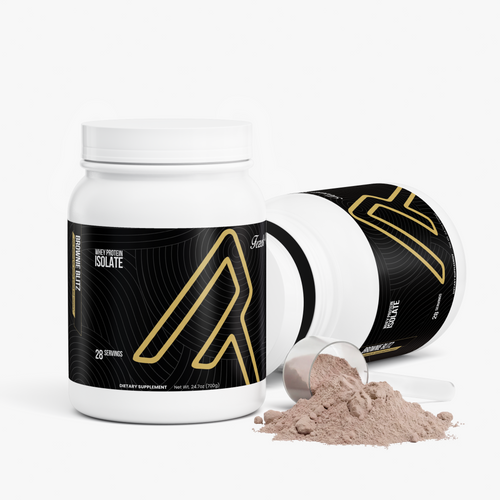
Branched-Chain Amino Acids (BCAAs) have become a cornerstone of post-workout nutrition for athletes, fitness enthusiasts, and anyone seeking to accelerate muscle recovery. Comprising leucine, isoleucine, and valine, these essential amino acids cannot be produced by the body and must be obtained through diet or supplementation. When taken strategically after training, BCAAs support protein synthesis, reduce muscle soreness, and help preserve lean tissue during intense training cycles. Understanding how BCAAs function and how to incorporate them effectively can make a noticeable difference in performance outcomes and overall training longevity.
How BCAAs Facilitate Muscle Repair
The muscle repair process begins the moment a training session ends. Microscopic tears in muscle fibers trigger a cascade of cellular events that ultimately rebuild stronger tissue. BCAAs play three critical roles in this cascade:
- Stimulating mTOR signaling: Leucine is a potent activator of the mammalian target of rapamycin (mTOR) pathway, which drives muscle-protein synthesis (MPS). Enhanced MPS accelerates the rebuilding of damaged fibers.
- Reducing catabolism: Isoleucine and valine help regulate blood glucose levels and provide an alternative energy source during recovery, limiting the body’s need to break down existing muscle protein for fuel.
- Mitigating soreness: BCAAs can lower perceived muscle soreness by decreasing the accumulation of metabolic by-products such as lactate and ammonia.
Research consistently shows that athletes who consume BCAAs within the post-exercise window experience faster recovery times and report less delayed-onset muscle soreness (DOMS). For those who train multiple sessions per day, this rapid turnover can be the difference between progressive overload and plateau.
Optimal Timing and Dosage
To maximize the benefits of BCAA supplementation, timing and dosage must align with the body’s natural anabolic window. The following guidelines are widely accepted among sports nutrition professionals:
Pre-Workout
- Consume 5-10″?g of BCAAs 15-30″?minutes before training to provide immediate fuel for muscle cells.
- Pair with a small amount of carbohydrate for improved insulin response, which further supports amino-acid uptake.
During Workout
- For sessions lasting longer than 60″?minutes, sip a BCAA-infused beverage (3-5″?g) to sustain amino-acid availability and reduce fatigue.
- Hydration is essential; ensure the drink is mixed with water rather than sugary sports drinks.
Post-Workout
- Take 7-12″?g of BCAAs within 30″?minutes after training to trigger mTOR and jump-start protein synthesis.
- Combine with a high-quality protein source (whey, pea, or soy) to provide the full spectrum of essential amino acids.
These recommendations can be customized based on body weight, training intensity, and dietary preferences. For a deeper dive into personalized nutrition plans, Explore advanced guides and tips that address individual variability.
Choosing the Right BCAA Product
Not all BCAA supplements are created equal. Quality, ratio, and additional ingredients influence efficacy:
- Leucine-dominant ratios: A 2:1:1 (leucine:isoleucine:valine) ratio is standard, but many athletes prefer a 3:1:1 formulation for enhanced mTOR activation.
- Purity and testing: Look for third-party certifications (e.g., NSF, Informed-Sport) that verify the absence of contaminants.
- Flavor and solubility: Palatable, easily mixable powders encourage consistent use, especially during intra-workout sipping.
- Additional functional ingredients: Some blends include electrolytes, glutamine, or natural caffeine for added performance benefits.
When evaluating options, it’s helpful to consult reputable sources. Discover expert strategies here to identify products that meet stringent quality standards while aligning with specific training goals.
Integrating BCAAs with a Balanced Nutrition Plan
BCAAs are a supplement, not a replacement for whole-food nutrition. A comprehensive recovery strategy should include:
- Complete protein sources: Chicken, fish, eggs, dairy, legumes, and high-quality plant-based proteins provide all essential amino acids.
- Complex carbohydrates: Replenish glycogen stores with oats, sweet potatoes, quinoa, or whole-grain breads.
- Healthy fats: Omega-3 fatty acids from fish oil or flaxseed support inflammation control.
- Micronutrients: Vitamins D, C, and minerals such as magnesium and zinc are vital for muscle function and repair.
By pairing BCAA supplementation with a nutrient-dense diet, athletes can create a synergistic environment for optimal recovery. For practical meal-planning ideas, Learn about our tailored solutions that combine science-backed supplementation with everyday foods.
Common Myths and Misconceptions
Despite widespread use, several myths persist around BCAAs:
- Myth: BCAAs alone build muscle. Reality: They stimulate MPS but require a full complement of essential amino acids to complete the synthesis process.
- Myth: More is always better. Reality: Excessive intake (>30″?g per day) offers no additional benefit and may strain kidney function in susceptible individuals.
- Myth: BCAAs replace post-workout protein shakes. Reality: A protein shake provides a broader amino-acid profile; BCAAs are best used as a targeted adjunct.
Understanding these nuances helps athletes make evidence-based decisions rather than relying on marketing hype. For a fact-checked overview, Find out more about this approach through peer-reviewed resources.
Conclusion
Incorporating BCAA fitness supplements into a well-structured recovery protocol can markedly improve muscle repair, reduce soreness, and preserve lean mass during demanding training cycles. By paying attention to timing, dosage, product quality, and overall nutrition, athletes can harness the full potential of these essential amino acids. For those seeking a deeper, science-driven perspective on supplementation strategies, the resources available at Explore advanced guides and tips offer valuable insight and practical tools to elevate performance responsibly.