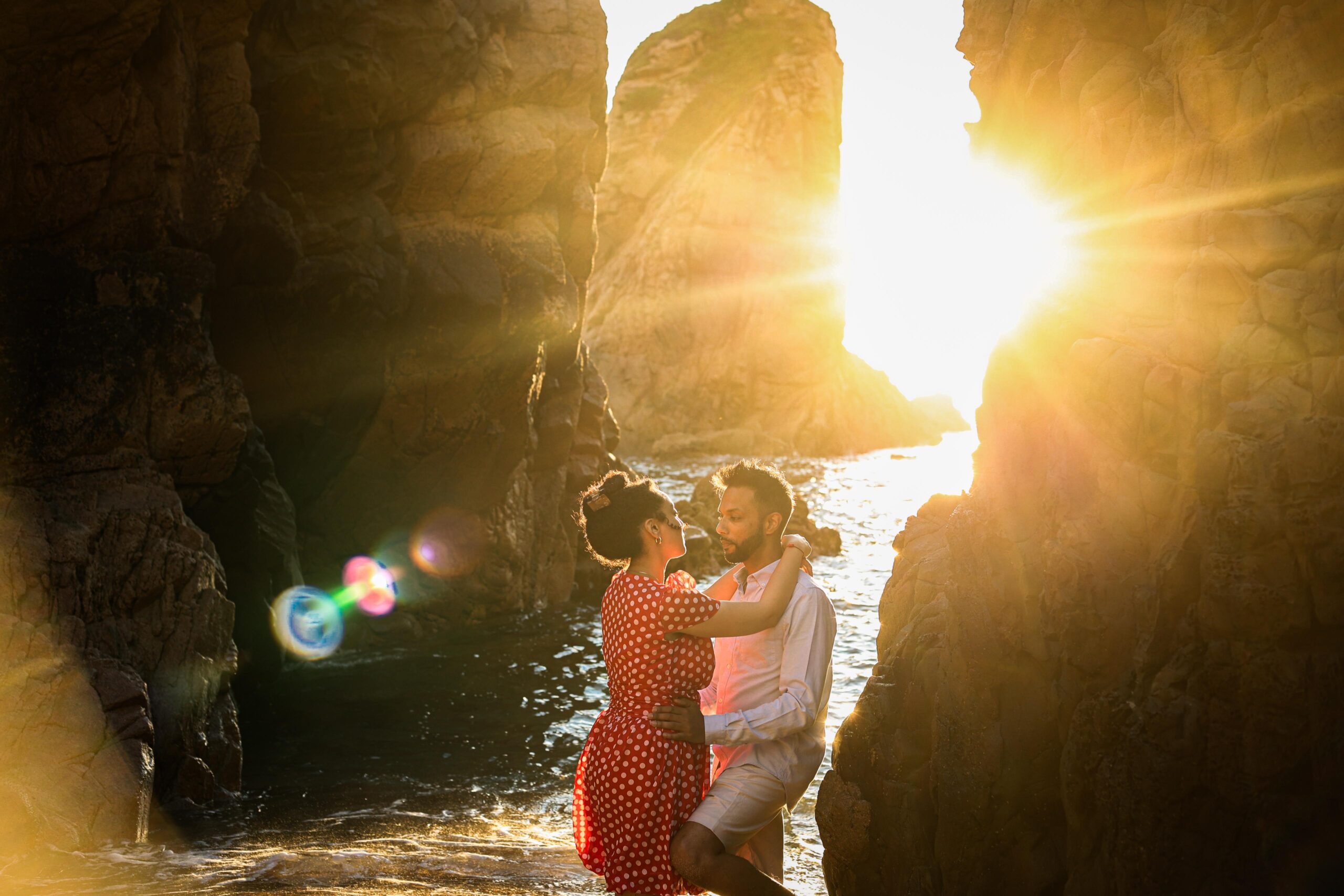
Planning an engagement photo shoot is an exciting step toward commemorating the love story that led to a lifetime commitment. While the idea of standing in front of a camera can feel intimidating, understanding what to expect from a professional session helps transform nerves into confidence. From pre-shoot consultations to the final delivery of polished images, each phase is designed to capture authentic moments while providing a seamless, enjoyable experience. Below is a comprehensive guide that outlines the typical flow of a professional engagement photo shoot, highlighting key moments, preparation tips, and the value of working with seasoned photographers.
Pre-Shoot Consultation: Setting the Foundation
The first interaction with the photographer is more than a casual chat; it is a strategic planning session that aligns expectations and style preferences. During this meeting, the couple discusses location ideas, wardrobe choices, and the overall mood they wish to convey. It is also an opportunity to address logistical details such as timing, lighting conditions, and any special requests.
- Review of preferred photography style (documentary, editorial, romantic, etc.)
- Selection of locations – urban streets, historic landmarks, or natural settings
- Discussion of outfit coordination and color palettes
- Agreement on timeline, including travel and buffer periods for changing light
- Clarification of deliverables – number of edited images, format, and turnaround time
For deeper insight into how a tailored consultation can enhance the shoot, Discover expert strategies here.
Location Scouting and Preparation
Choosing the right backdrop is crucial because it sets the visual narrative of the engagement story. Professional photographers often scout locations ahead of time to assess lighting, crowd density, and potential shooting angles. Couples are encouraged to visit the chosen sites, if possible, to become comfortable with the surroundings.
Key Considerations for Location Choice
- Natural light vs. artificial lighting – golden hour offers soft, flattering illumination.
- Accessibility – ensure easy entry for equipment and any mobility needs.
- Background elements – look for textures, colors, and architectural features that complement the couple’s style.
- Permits – some historic or private venues may require permission; the photographer usually handles this.
To explore detailed guidance on selecting the perfect setting, Learn about our tailored solutions.
Wardrobe and Styling Guidance
Outfits play a pivotal role in how the images convey emotion and cohesion. Photographers often provide styling suggestions that align with the chosen location and desired aesthetic. The goal is to achieve a look that feels authentic yet polished.
- Coordinate, don’t match – complementary colors create visual harmony without appearing overly uniform.
- Layering adds depth – consider jackets, scarves, or light sweaters for dynamic shots.
- Avoid overly busy patterns – they can distract from the subjects’ expressions.
- Bring accessories – hats, jewelry, or a meaningful heirloom can add personal flair.
- Plan for outfit changes – multiple looks allow for a varied portfolio.
For additional tips on creating a cohesive wardrobe plan, Explore advanced guides and tips.
The Day of the Shoot: What Actually Happens
On the scheduled day, the photographer arrives early to set up equipment and perform a quick site assessment. The session typically begins with relaxed, candid moments to help the couple ease into the camera’s presence. As confidence builds, the photographer introduces more structured poses while still encouraging natural interaction.
Typical Timeline
- Arrival & Setup (15-20 minutes): Gear check, lighting adjustments, and final location walk-through.
- Warm-up Shots (10-15 minutes): Simple, informal photos to break the ice.
- Core Session (45-60 minutes): A mix of posed and spontaneous images, often moving between several spots.
- Detail Shots (10-15 minutes): Close-ups of rings, hands, and meaningful props.
- Wrap-up (5-10 minutes): Review of favorite moments and discussion of next steps.
During the session, the photographer may offer direction on posture, hand placement, and eye contact, but the emphasis remains on genuine connection. A professional’s ability to capture fleeting glances or laughter often distinguishes a memorable engagement portfolio.
Post-Production: From Raw Files to Finished Art
After the shoot, the photographer curates the best images and begins the editing process. This stage involves color correction, exposure balancing, and subtle retouching to enhance the couple’s natural beauty without creating an artificial look. The final collection is typically delivered in high-resolution digital format, with options for prints or albums upon request.
- Selection of 30-50 edited images, depending on package.
- Color grading to match the mood of each location.
- Skin retouching focused on smoothing imperfections while preserving texture.
- Delivery via secure online gallery, often with a download link.
- Optional print services for wall art or wedding album integration.
For a deeper understanding of the editing philosophy behind polished engagement portraits, Find out more about this approach.
Final Thoughts: Maximizing the Experience
A professional engagement photo shoot is an investment in both memories and visual storytelling. By anticipating each stage, from the initial consultation to the final image delivery, couples can approach the day with confidence and excitement. Remember that preparation, clear communication, and a willingness to enjoy the moment are the keys to a successful session. With thoughtful planning and the guidance of an experienced photographer, the resulting photographs will not only capture a fleeting chapter but also become treasured keepsakes for years to come.