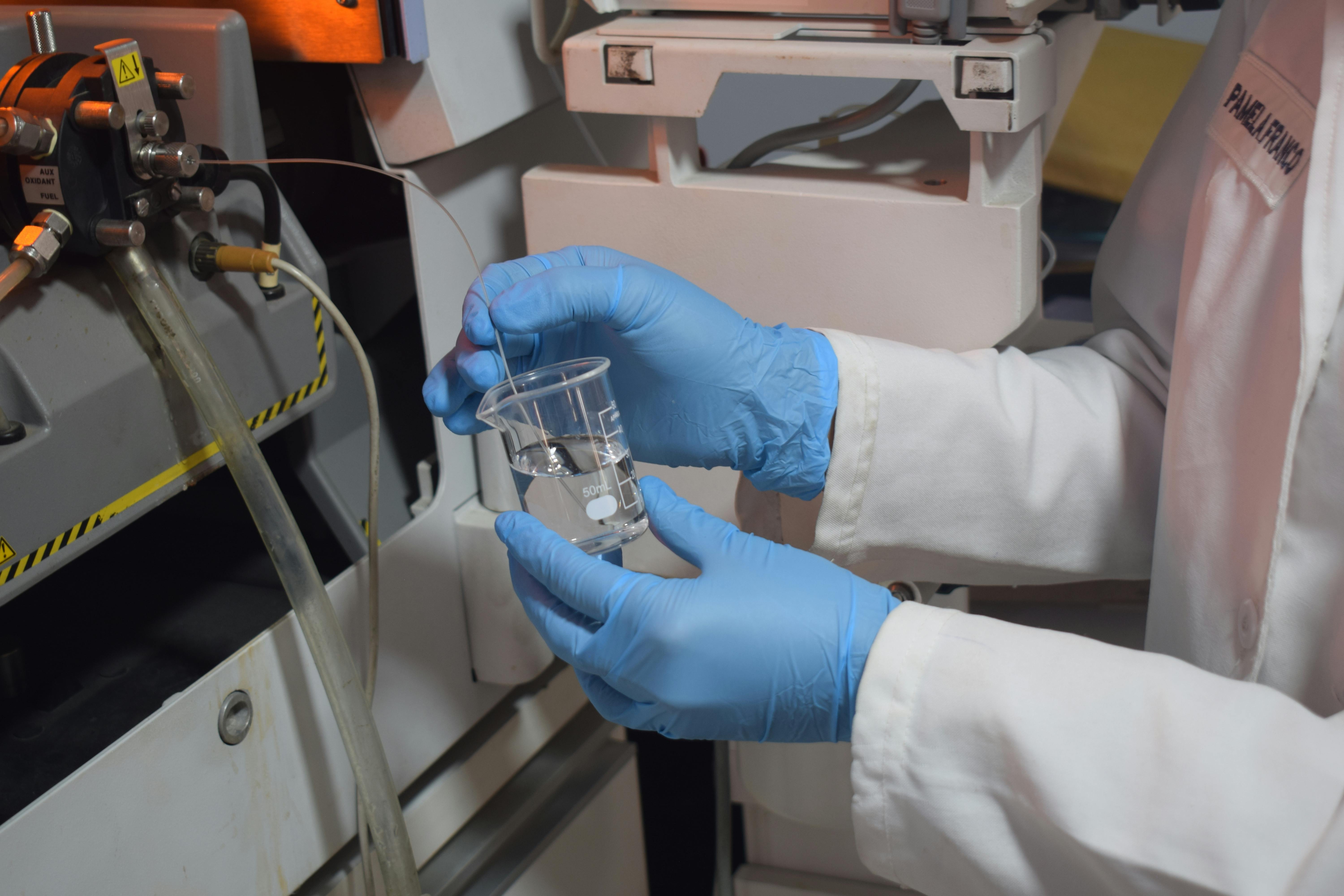
Essential Bacteriological Water Testing Services
An Introduction to Bacteriological Water Testing
Water is a fundamental resource, pivotal not only for human survival but also for maintaining public health and ensuring the sustainability of ecosystems. However, the presence of harmful bacteria in water can pose significant health risks. This is where bacteriological water testing emerges as an essential practice. By identifying and quantifying bacteria levels, these tests help in assessing water quality and ensuring it is safe for consumption and use.
Understanding Bacteriological Water Testing
Key Components of Water Testing
Bacteriological water testing involves several critical components to ensure comprehensive analysis:
- Sampling: Collecting water samples from different sources for accurate assessment.
- Testing Methods: Utilizing techniques such as membrane filtration and multiple-tube fermentation to isolate and identify bacteria.
- Indicator Organisms: Focusing on organisms like E. coli and coliform bacteria to gauge potential contamination.
- Discover expert strategies here.
The Importance of Regular Water Testing
Protecting Public Health
Regular bacteriological testing is crucial for safeguarding public health. Contaminated water can lead to serious illnesses such as gastroenteritis, hepatitis, and cholera. By conducting routine tests:
- Potential outbreaks can be identified and controlled swiftly.
- Communities can be assured of their water safety.
- Learn about our tailored solutions.
Ensuring Regulatory Compliance
Compliance with water quality standards is mandatory for various industries. Regular testing helps:
- Adhere to local and international water safety regulations.
- Avoid legal issues and potential fines.
- Explore advanced guides and tips.
Modern Techniques in Bacteriological Testing
Advanced Technological Approaches
With advancements in technology, bacteriological water testing has evolved significantly. Modern techniques include:
- Real-time Monitoring: Utilizing sensors and digital tools for continuous water quality assessment.
- DNA Sequencing: Employing genetic methods to identify bacteria with precision.
- Find out more about this approach.
Integration with Data Analysis
Data-driven insights are transforming how water quality is managed. The fusion of testing and data analytics allows for:
- Predictive analysis to foresee potential contamination events.
- Informed decision-making for water management strategies.
- Efficient resource allocation and risk mitigation.
Conclusion
Bacteriological water testing is an indispensable service crucial for ensuring the safety and quality of water. By employing advanced techniques and adhering to regulatory standards, communities and industries can protect public health and maintain compliance. For further insights and detailed approaches, visit this page.