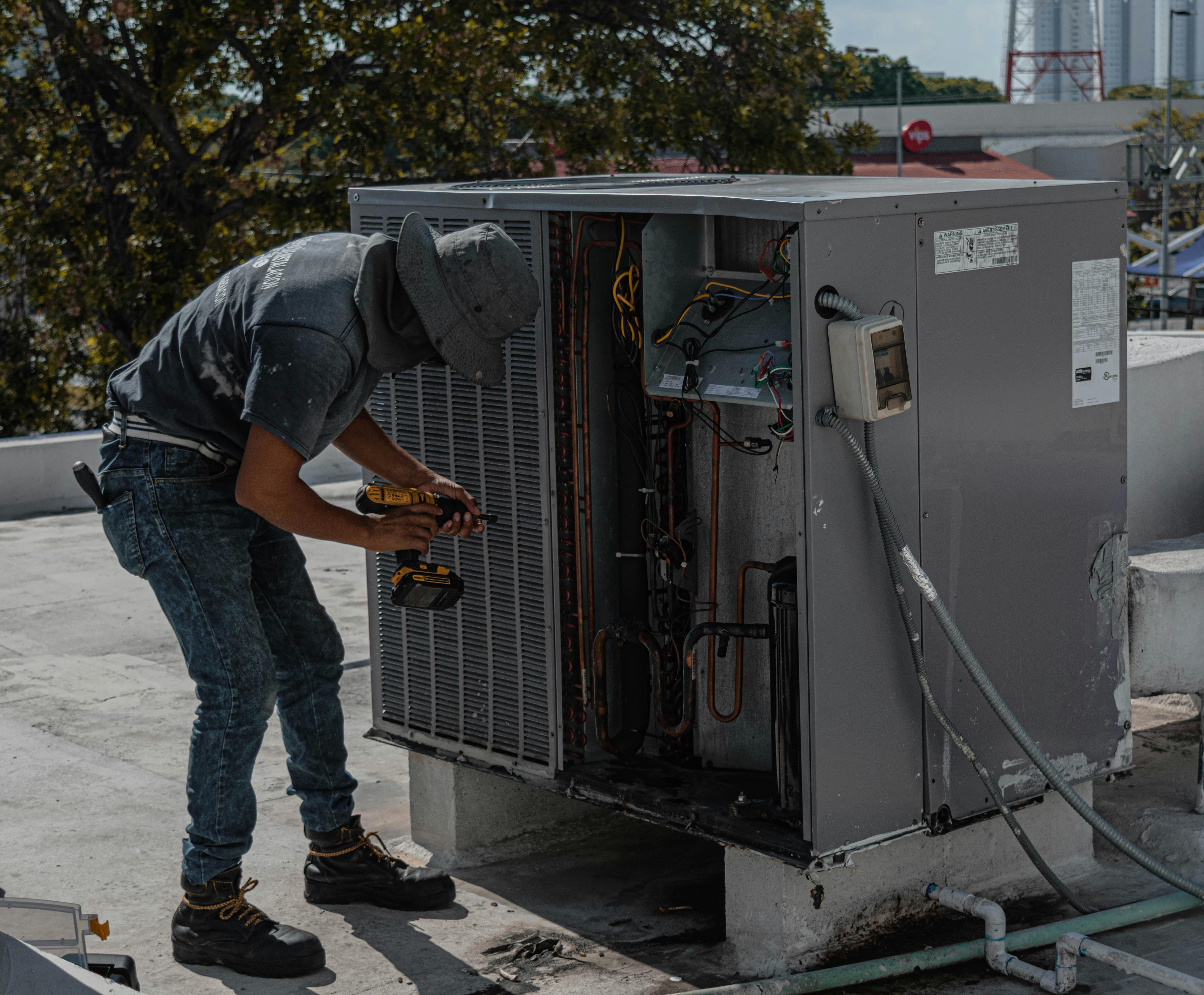
Managing HVAC systems in commercial properties is crucial for maintaining a comfortable environment, enhancing energy efficiency, and reducing operational costs. The complexity of these systems requires a comprehensive approach to ensure optimal performance and longevity. By implementing effective HVAC service solutions, businesses can not only address immediate concerns but also prevent future issues, ensuring that their systems operate smoothly and reliably. The following sections provide insights into the most effective strategies for managing HVAC systems in commercial settings.
Understanding the Unique Needs of Commercial HVAC Systems
Commercial HVAC systems are significantly more complex than residential ones due to their size, usage, and the diverse needs of different facility types. These systems must be tailored to accommodate:
- Variable occupancy levels that affect heating and cooling demands.
- Different zones within a building that may require distinct temperature settings.
- Integration with advanced building management systems (BMS) for centralized control.
Learn about our tailored solutions to ensure that commercial HVAC systems meet these unique requirements at this resource.
Preventive Maintenance Strategies
Preventive maintenance is essential to prolong the life of HVAC systems and to avert costly repairs or replacements. Key elements of an effective maintenance plan include:
- Regular inspections and cleaning of components to prevent buildup and inefficiencies.
- Timely replacement of air filters and worn-out parts.
- Calibration of thermostats and sensors for accurate temperature control.
Discover expert strategies here to implement an effective preventive maintenance program: Explore advanced guides and tips.
Energy Efficiency Improvements
Enhancing energy efficiency is a primary concern for commercial properties aiming to reduce overhead costs and environmental impact. Strategies include:
- Upgrading to high-efficiency HVAC units that use less energy.
- Implementing smart thermostats and sensors for adaptive temperature control.
- Utilizing variable speed drives to optimize motor functions.
Find out more about this approach to energy efficiency improvements by visiting this page.
Advanced Diagnostic and Monitoring Tools
The use of advanced diagnostic and monitoring tools is critical for the proactive management of HVAC systems. These tools help in:
- Identifying inefficiencies and potential failures before they become major issues.
- Providing real-time data and analytics for informed decision-making.
- Integrating with existing building management systems for seamless operation.
Learn about our tailored solutions and how advanced tools can benefit your property at this link.
Conclusion
Effective management of HVAC systems in commercial properties requires a strategic approach that encompasses understanding system needs, implementing preventive maintenance, improving energy efficiency, and utilizing advanced tools. By focusing on these areas, businesses can ensure their HVAC systems operate at peak efficiency, providing a comfortable environment while minimizing costs and environmental impact. For more information and comprehensive guides, visit this page.