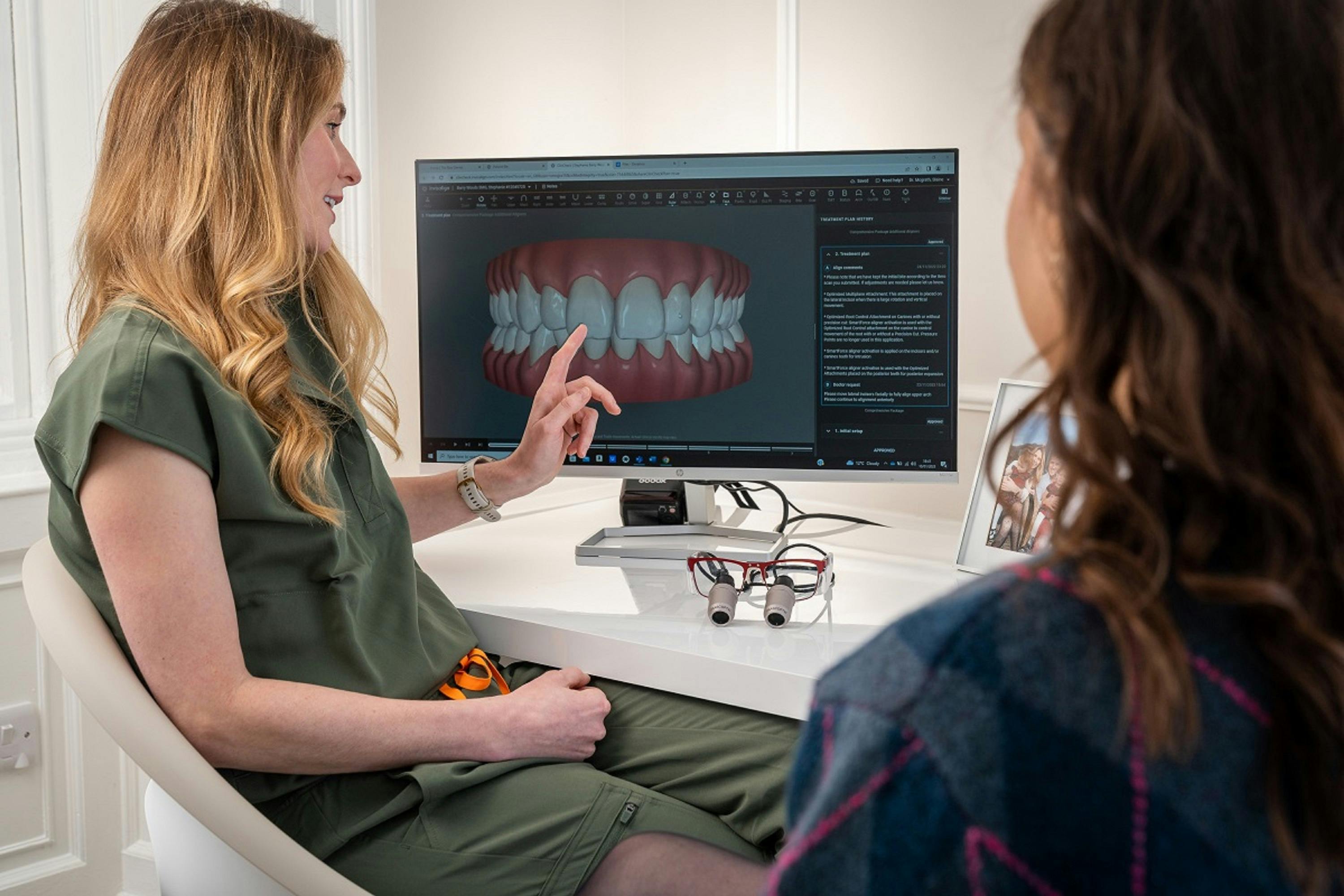
In today’s world, a stunning smile is often associated with confidence and social success. While traditional dental solutions have been effective for many, cosmetic dental implants provide a more permanent and aesthetically pleasing option for those seeking to enhance their smile. Unlike dentures or bridges, dental implants offer a durable solution that closely mimics the appearance and function of natural teeth. This article explores the advantages, procedures, and considerations of cosmetic dental implants.
Understanding Cosmetic Dental Implants
Cosmetic dental implants are artificial roots that provide a permanent base for fixed, replacement teeth. They are an ideal solution for individuals who have lost one or more teeth due to injury, periodontal disease, or other reasons. The process involves inserting a titanium post into the jawbone, which acts as a root to hold the replacement tooth.
Key Benefits
- Natural Appearance: Implants are designed to blend seamlessly with natural teeth, providing a realistic look.
- Durability: With proper care, dental implants can last a lifetime.
- Improved Oral Health: Unlike traditional bridges, implants do not require reducing other teeth, ensuring better oral health.
- Comfort and Convenience: Implants eliminate the discomfort of removable dentures.
- Enhanced Speech: Poor-fitting dentures can slip within the mouth, causing mumbling or slurring of words, whereas implants allow for normal speech.
For those interested in the technical aspects and further benefits, read more about this topic.
The Cosmetic Dental Implant Procedure
Undergoing a dental implant procedure involves several stages and requires careful planning and execution by a dental professional. Here’s a brief overview of what one can expect:
Initial Consultation
The first step involves a comprehensive dental exam, including X-rays and models of the mouth. This helps in assessing the jawbone’s condition and planning the procedure accordingly.
Surgical Process
- Bone Grafting (if needed): In cases where the jawbone is not thick enough or is too soft, bone grafting might be necessary before implant surgery.
- Implant Placement: The dental implant post is surgically placed into the jawbone.
- Osseointegration: Over a period of a few months, the jawbone grows into and unites with the surface of the dental implant. This process is critical for providing a stable base for the new artificial tooth.
- Abutment Placement: Once osseointegration is complete, an abutment (a small connector post) is placed on the implant to hold the new tooth.
This procedure requires patience and adherence to post-operative care. For a more detailed guide, learn more in this detailed guide.
Considerations and Care
There are several factors to consider when opting for dental implants. Although they offer numerous benefits, it is important to recognize the commitment required in terms of time, cost, and post-operative care.
Factors to Consider
- Suitability: Not everyone is a candidate for dental implants. Good health, adequate bone density, and gum health are essential.
- Costs: Implants can be more expensive than other dental solutions. However, they are a long-term investment in oral health.
- Post-operative Care: Good oral hygiene and regular dental visits are crucial for the longevity of implants.
For further insights into whether cosmetic dental implants are the right choice, explore further insights here.
Conclusion
Cosmetic dental implants represent a significant advancement in dental technology, offering a reliable and aesthetically pleasing solution for missing teeth. They not only restore the functional aspect of the mouth but also enhance the overall appearance of one’s smile. Those considering this option should conduct thorough research and consult with qualified dental professionals to ensure a successful outcome. To find additional information and determine if this option suits your needs, find additional information here.