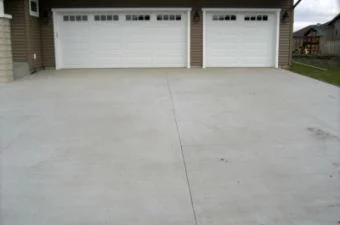
First impressions are pivotal in any setting, especially when it comes to the aesthetics of a home. A driveway is often the first feature guests encounter, setting the tone for the entire property. An expertly repaved driveway not only boosts curb appeal but also enhances functionality and safety. As the gateway to your home, it deserves meticulous attention and professional handling to ensure durability and visual appeal. Undertaking a driveway repave project can transform a mundane entrance into a captivating and inviting space.
The Importance of Professional Driveway Repaving
Repaving a driveway is not just about enhancing its appearance. It is a crucial investment that offers multiple benefits:
- Increased Property Value: A well-maintained driveway can significantly boost the market value of a home.
- Durability and Longevity: Professional repaving ensures the use of high-quality materials and techniques, which prolong the lifespan of the driveway.
- Enhanced Safety: Smooth, even surfaces reduce the risk of accidents and injuries caused by trips and falls.
- Environmental Benefits: Modern paving techniques can incorporate eco-friendly materials, contributing to sustainability efforts.
Learn more in this detailed guide about the comprehensive benefits of a professionally repaved driveway.
Key Considerations for Driveway Repaving
Material Selection
Choosing the right material is paramount for achieving a balance between aesthetics and functionality. Common materials include:
- Concrete: Known for its durability and low maintenance, concrete can be customized with various finishes and colors.
- Asphalt: A cost-effective option that offers flexibility and a smooth finish.
- Pavers: These provide a wide range of design possibilities and are easy to replace if damaged.
Each material has its unique advantages and suitability depending on climate, budget, and desired aesthetic. Explore further insights here on how to choose the right material for a specific setting.
Proper Drainage
Ensuring adequate drainage is crucial to prevent water accumulation, which can lead to cracks and deterioration. A professional will assess the slope and install necessary drainage solutions to maintain the integrity of the driveway.
Steps in the Driveway Repaving Process
A successful driveway repave involves several key stages:
- Assessment and Planning: A thorough inspection of the existing driveway is conducted to determine the extent of work required.
- Removal of Old Surface: The existing surface is removed to make way for the new material.
- Base Preparation: A solid foundation is laid to ensure stability and longevity of the new surface.
- Installation of New Surface: The chosen material is meticulously applied, ensuring evenness and proper adhesion.
- Finishing Touches: The surface is treated to enhance appearance and protect against weather elements.
Each step is crucial and requires expertise to ensure a flawless finish. Read more about this topic to understand the intricacies involved in each phase of the repaving process.
Maintenance Tips for a Newly Repaved Driveway
To maximize the lifespan of a newly repaved driveway, consider the following maintenance tips:
- Regular Cleaning: Remove debris and stains promptly to maintain a pristine appearance.
- Seal Coating: Apply a sealant periodically to protect against wear and environmental damage.
- Prompt Repairs: Address minor damages quickly to prevent them from escalating into costly repairs.
- Seasonal Care: Adapt maintenance practices to suit seasonal changes, such as de-icing in winter.
For more detailed advice on maintaining a driveway, find additional information here.
In conclusion, investing in a professional driveway repave not only enhances the aesthetic appeal of a property but also adds substantial value and functionality. By considering expert advice and maintaining the driveway diligently, homeowners can ensure their entrance remains stunning and durable for years to come.