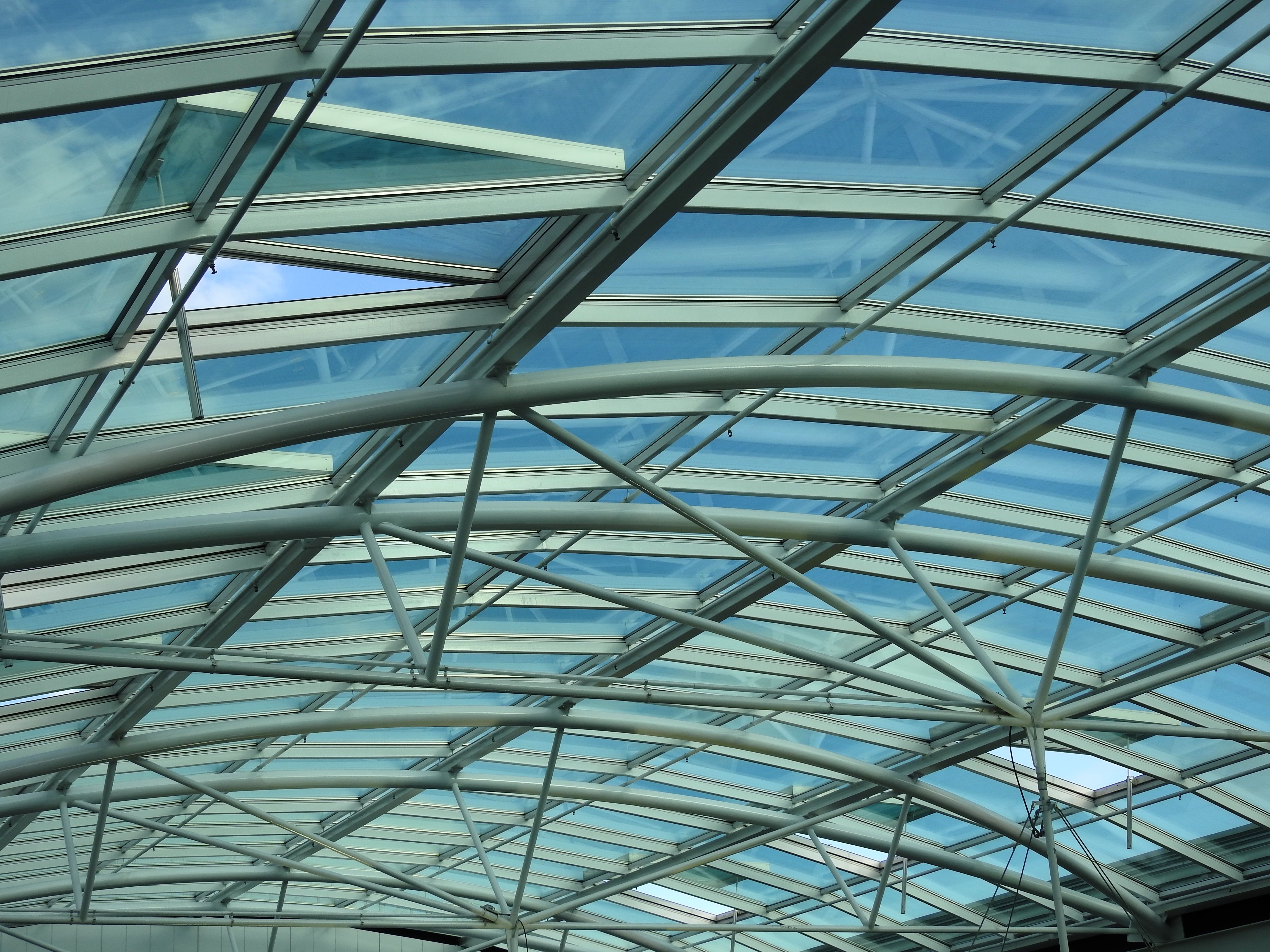
Ensuring safety in elevated workplaces, particularly on rooftops, is a critical consideration in the construction and maintenance industries. The risk of falls from heights is one of the leading causes of workplace injuries and fatalities. To mitigate such risks, rooftop guardrail systems have become a pivotal component in safeguarding personnel working at heights. These systems are designed to provide a permanent, reliable barrier against fall hazards, ensuring that workers can operate in a secure environment.
The Importance of Rooftop Guardrail Systems
Rooftop guardrail systems serve as the first line of defense against falls. Their importance extends beyond mere compliance with safety regulations, as they contribute significantly to the overall safety culture within organizations.
- **Comprehensive Protection**: Guardrail systems provide a continuous barrier, offering protection for workers moving around the rooftop.
- **Regulatory Compliance**: They help businesses comply with OSHA regulations, which mandate fall protection for workers at heights.
- **Versatile Applications**: These systems can be customized to fit various roof configurations and layouts, making them suitable for a wide range of buildings.
Components of Effective Guardrail Systems
For a guardrail system to be effective, it must comprise several key components that work in unison to prevent accidents.
Top Rails and Mid Rails
The top rail is the highest component, typically installed at a height of 42 inches above the walking surface. Below it, the mid rail is positioned halfway, offering additional protection against falls.
Toe Boards
Toe boards are essential for preventing tools or materials from falling off the roof, which could potentially harm individuals below or damage property.
Stanchions and Base Plates
Stanchions, or posts, support the rails and are securely attached to the base plates, ensuring stability. These components are crucial in maintaining the integrity of the rooftop guardrail systems.
Enhancing Safety with Additional Systems
While guardrail systems are fundamental, other safety measures can be integrated to enhance rooftop safety further.
- **Skylight safety systems**: Skylights pose a unique risk, and specialized systems are available to prevent falls through these openings.
- **Skylight fall protection**: Reinforcing skylights with protective screens or railings ensures they do not become a fall hazard.
- **Rooftop walkway systems**: These systems provide safe pathways for workers, reducing the risk of slips and falls.
Implementation and Maintenance
The effectiveness of safety systems depends on their proper installation and regular maintenance.
- **Professional Installation**: Engaging experts to install these systems ensures they meet all necessary safety standards and are tailored to the specific needs of the building.
- **Regular Inspections**: Routine checks are vital to identify any wear or damage that could compromise safety.
- **Training**: Ensuring that workers are trained in using commercial roof safety equipment enhances their ability to work safely at heights.
Conclusion
Investing in a comprehensive roof safety system, such as roof safety systems Hopkinsville KY, is not just about protecting workers; it is about fostering a culture of safety that permeates every aspect of an organization. Rooftop guardrail systems, along with other safety measures, play an indispensable role in ensuring that employees can perform their duties securely and efficiently, ultimately contributing to the overall success and reliability of the business operations.