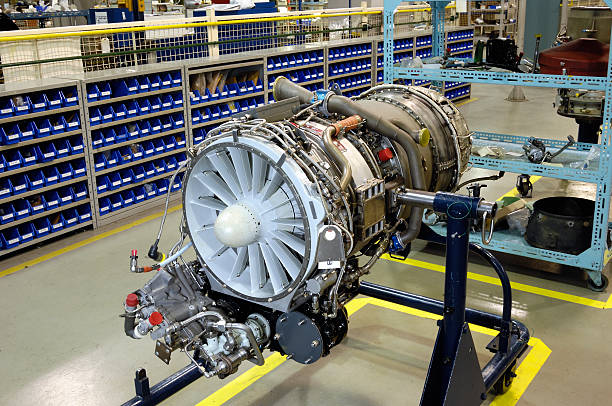
In the realm of industrial engineering and energy production, boosting output temperature is a pivotal factor in enhancing the overall performance and efficiency of machinery. Higher output temperatures often lead to increased energy output, improved fuel efficiency, and a reduction in emissions. This article explores the various aspects of output temperature enhancement, its benefits, and the technologies that support this critical advancement.
Understanding Output Temperature
Output temperature refers to the heat energy released by a system as it operates. In power generation, for instance, the output temperature is a key indicator of how well a turbine or engine is performing. The higher the temperature, the more energy is typically being produced, which can significantly impact the overall efficiency of energy systems.
Benefits of Increasing Output Temperature
Enhancing the output temperature can lead to several benefits:
- Increased power generation capacity, allowing systems to produce more energy from the same amount of fuel.
- Improved thermal efficiency, which can lead to lower operational costs.
- Reduction in greenhouse gas emissions, contributing to a more sustainable and environmentally friendly operation.
Technological Advances
Recent advances in technology have made it possible to significantly increase the output temperature of various systems. Innovations in materials science, for example, have resulted in the development of components that can withstand higher temperatures without degrading.
Strategies for Boosting Output Temperature
There are several strategies employed in the industry to enhance output temperatures:
Firing Temperature Increases
One of the most effective ways to enhance output temperature is by increasing the firing temperature within turbines. By optimizing the combustion process, systems can achieve firing temperature increases, leading to higher thermal efficiency and power output.
Power Augmentation
Power augmentation techniques can also play a critical role in boosting output temperature. Methods such as steam injection and advanced cooling technologies help to maximize the performance of turbines and engines. These techniques are integral to achieving power augmentation, ensuring that systems operate at their optimal capacity.
Challenges and Considerations
While the benefits of increasing output temperature are clear, there are challenges that must be addressed:
- Material durability is a major concern, as higher temperatures can lead to faster wear and tear on components.
- Cost implications of implementing advanced technologies can be significant, requiring a careful cost-benefit analysis.
- Operational safety must be maintained to prevent overheating and system failures.
Conclusion
Boosting output temperature is a critical factor in enhancing the performance and efficiency of industrial systems. Through the adoption of advanced technologies and strategic approaches such as output temperature increases and firing temperature adjustments, industries can achieve significant improvements in power generation and environmental impact. As the technology continues to evolve, so too will the methods for optimizing output temperatures, driving the future of energy production towards greater efficiency and sustainability.