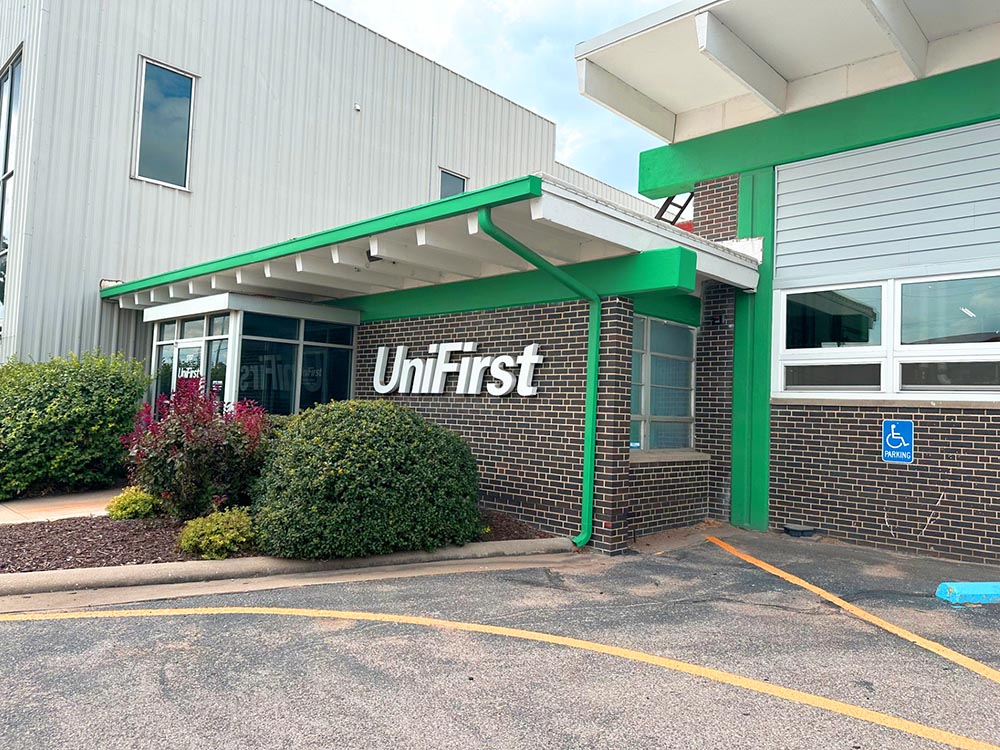
Painting both the interior and exterior of a property holds significant importance in maintaining its aesthetic appeal and structural integrity. High-quality painting services not only enhance beauty but also protect surfaces from wear and tear over time. Whether for residential or commercial spaces, the choice of paint and application method can make a substantial difference in achieving a desirable finish. This article explores the key aspects to consider when undertaking interior and exterior painting projects, ensuring a professional and lasting outcome.
Understanding the Importance of Quality Paint
Quality paint is crucial for both aesthetic and protective purposes. It provides a robust barrier against environmental elements, preventing damage from moisture, UV rays, and temperature fluctuations. Investing in premium paints ensures long-lasting color and minimizes the need for frequent repainting.
- Durability: High-quality paints resist fading, chipping, and peeling, extending the lifespan of the painted surfaces.
- Finish: Superior paints offer a smoother finish, enhancing the overall appearance of the space.
- Protection: They form a strong shield against mold, mildew, and other environmental factors.
Read more about this topic to understand how to select the right paint for your project.
Key Considerations for Interior Painting
Color Selection
Choosing the right color palette is essential for creating the desired atmosphere in any room. Consider the function of the space, the amount of natural light it receives, and the color psychology to make informed decisions.
Surface Preparation
Proper surface preparation is critical for a flawless finish. This includes cleaning, sanding, and priming surfaces to ensure the paint adheres well and covers evenly.
- Cleaning: Remove dirt and grime to prevent imperfections.
- Sanding: Smooth out rough areas for an even application.
- Priming: Use a primer to enhance paint adhesion and coverage.
Learn more in this detailed guide about preparing your interiors for painting.
Exterior Painting: Challenges and Solutions
Weather Conditions
Exterior painting projects must consider weather conditions, as temperature and humidity can affect drying times and paint performance. Plan painting activities during mild weather to avoid potential issues.
Surface Durability
Exterior surfaces face constant exposure to environmental elements, necessitating the use of resilient paints and finishes that can withstand harsh conditions. Regular maintenance and touch-ups are essential to preserve the integrity of the building?s exterior.
- Weatherproofing: Choose paints designed to endure weather extremes.
- Maintenance: Regular inspections and touch-ups prevent long-term damage.
Explore further insights here to tackle common challenges in exterior painting.
Professional Painting Techniques
Expertise in painting techniques can drastically improve the outcome of a project. Techniques such as cutting in, rolling, and spraying require skill and practice.
- Cutting In: A technique used for painting edges and corners precisely.
- Rolling: Ideal for covering large areas quickly and uniformly.
- Spraying: Provides an even coat on intricate surfaces.
Find additional information here on professional painting techniques to elevate your project.
Conclusion
Investing in high-quality interior and exterior painting not only enhances the visual appeal of a property but also provides essential protection against environmental stressors. By understanding the importance of quality materials, proper preparation, and skilled application, individuals can achieve a professional finish that stands the test of time. For more comprehensive guidance on painting projects, visit this resource to equip yourself with the necessary knowledge and expertise.