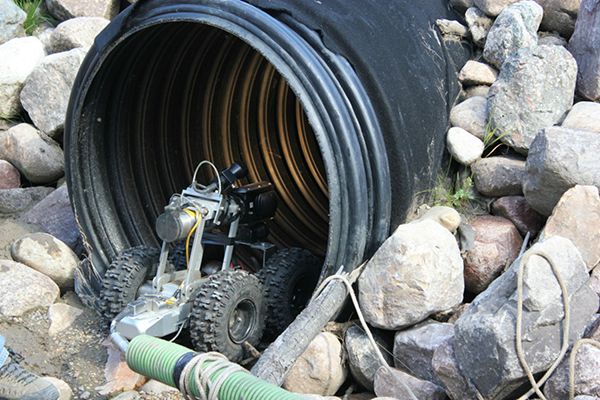
Underground utilities are the hidden lifelines of modern cities, carrying water, gas, electricity, and telecommunications beneath streets and sidewalks. Maintaining these networks requires precise, non-invasive diagnostics that can locate defects, assess condition, and guide repair strategies without costly excavation. Video line inspection has emerged as the industry-standard technique for visualizing the interior of conduits, providing engineers and asset managers with clear, actionable data. This article explores the technology, its applications, and best practices for integrating it into routine infrastructure management.
How Video Line Inspection Works
Video line inspection, also known as CCTV pipe inspection, employs a miniature, high-resolution camera mounted on a flexible cable that is fed through a pipe or conduit. The camera captures continuous video footage, which is streamed to a surface-mounted monitor or recorded for later analysis. Key components include:
- Camera head: Waterproof, often equipped with LED lights, pan-tilt capabilities, and optional laser measurement tools.
- Drive cable: Reinforced fiber-optic or steel cable that transmits power, video signal, and sometimes positioning data.
- Data logger: Stores video and diagnostic information, enabling post-inspection review.
- Software suite: Analyzes footage, annotates defects, and generates reports with maps and measurements.
Key Benefits of Video Line Inspection
Non-Destructive Assessment
Because the camera travels inside the pipe, there is no need to break pavement or disturb surrounding structures. This dramatically reduces labor costs and minimizes service interruptions.
Accurate Defect Identification
High-definition imaging reveals a range of issues, including:
- Cracks and fractures
- Root intrusion
- Corrosion and material loss
- Blockages caused by debris or sediment
- Misalignment or deformation of pipe sections
Data-Driven Decision Making
Detailed reports allow asset managers to prioritize repairs based on severity, predict future failures, and allocate resources efficiently. The ability to quantify defect length and location supports cost-effective budgeting and compliance with regulatory standards.
Applications Across Infrastructure Sectors
Video line inspection is versatile and serves many underground systems:
- Water and sewer networks: Detect pipe collapse, infiltration, and illegal connections.
- Stormwater drainage: Identify sediment buildup and assess capacity after heavy rains.
- Gas and oil pipelines: Verify integrity of protective coatings and locate corrosion hotspots.
- Telecommunications conduits: Ensure cable trays are clear and free of damage.
For a comprehensive overview of how these inspections are performed in a commercial setting, consult the detailed guide on video line inspection.
Best Practices for Conducting Effective Inspections
Pre-Inspection Planning
- Gather as-built drawings and utility maps to understand pipe geometry.
- Identify access points (manholes, cleanouts) and verify clearance.
- Set inspection objectives, e.g., locate a leak, assess condition after a recent event.
During Inspection
- Maintain a steady cable feed speed to avoid motion blur.
- Use supplemental lighting in dark or low-visibility sections.
- Record GPS or odometer data to correlate video frames with exact locations.
Post-Inspection Analysis
- Review footage frame-by-frame, marking defects with the software’s annotation tools.
- Classify defects using standardized rating systems (e.g., ASTM D 3762).
- Generate a concise report that includes defect maps, severity ratings, and recommended actions.
Integrating Inspections Into Asset Management Programs
When video line inspection data is fed into a geographic information system (GIS) or computerized maintenance management system (CMMS), it becomes a powerful asset for long-term planning. Regular inspection cycles, typically every 5-10 years for critical assets, help track deterioration trends and trigger preventative maintenance before failures occur.
Many municipalities now pair cctv inspections with predictive analytics, using machine-learning algorithms to forecast pipe lifespan based on defect density, material type, and environmental factors.
Future Trends in Underground Inspection Technology
- 3D Mapping: Advanced cameras capture stereoscopic images, enabling three-dimensional reconstructions of pipe interiors.
- Robotic Platforms: Self-propelling bots can navigate complex networks without a tether, extending reach in long or steep runs.
- Real-Time Cloud Analytics: Live streaming of video to cloud platforms allows remote experts to diagnose issues instantly.
- Sustainable Practices: Battery-efficient systems reduce carbon footprints, aligning with green-infrastructure goals.
Conclusion
Video line inspection provides a reliable, cost-effective means of assessing the health of underground infrastructure. By delivering high-resolution visual data without disruptive excavation, it empowers engineers, utilities, and municipalities to make informed decisions, extend asset life, and safeguard public safety. Incorporating regular inspections into a structured asset management framework, and leveraging emerging technologies, will ensure that the hidden networks beneath our cities remain robust and resilient for decades to come.