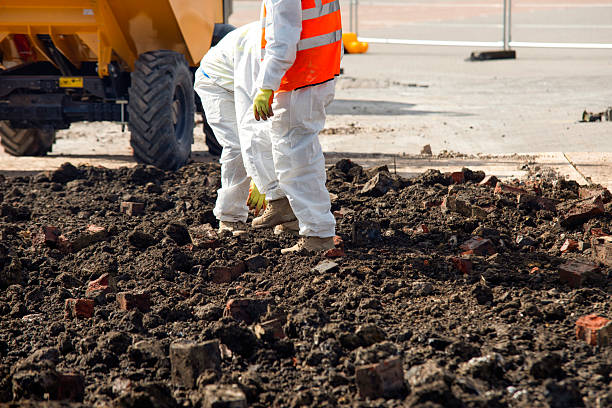
Asbestos laboratory testing plays a crucial role in ensuring environmental safety and public health. Asbestos, a naturally occurring fibrous mineral, was extensively used in construction and various industries due to its heat resistance and durability. However, it poses serious health risks, such as lung cancer and mesothelioma, when its fibers become airborne and are inhaled. The necessity of asbestos testing arises from the need to identify and manage these risks effectively. This article delves into the significance of asbestos laboratory testing, its methodologies, and its impact on safety regulations and public health.
The Importance of Asbestos Testing
Asbestos testing is essential for several reasons:
- Health and Safety: Identifying asbestos in buildings and materials is critical to preventing exposure and associated health risks.
- Regulatory Compliance: Many regulations mandate asbestos testing and management to protect workers and the public.
- Property Transactions: Testing is often required during property sales or renovations to ensure safety and compliance.
To understand the role of asbestos testing in regulatory compliance, explore further insights here.
Methods of Asbestos Laboratory Testing
Bulk Sample Analysis
Bulk sample analysis is a common method used to determine the presence of asbestos in building materials. Samples are collected from various locations within a structure and analyzed in a laboratory setting. Key techniques include:
- Polarized Light Microscopy (PLM): This technique involves using polarized light to differentiate asbestos fibers from other materials.
- Transmission Electron Microscopy (TEM): TEM provides a more detailed analysis and is often used for confirmatory testing due to its high resolution.
For more detailed information on these techniques, read more about this topic.
Air Sampling and Analysis
Air sampling is crucial in environments where asbestos fibers may be airborne. This method involves collecting air samples and analyzing them for fiber concentration. The primary techniques include:
- Phase Contrast Microscopy (PCM): PCM is used to count fibers in air samples, providing an estimate of airborne asbestos concentration.
- Scanning Electron Microscopy (SEM): SEM offers detailed imagery and analysis, crucial for identifying fiber types in complex samples.
To learn more about air sampling methodologies, find additional information here.
Impacts on Safety Regulations and Public Health
Asbestos testing directly influences safety regulations and public health policies. Accurate testing results inform risk assessments and help shape guidelines that protect communities from asbestos exposure. Key impacts include:
- Policy Formation: Testing data contributes to the development of safety standards and regulations.
- Remediation Planning: Identifying asbestos allows for effective remediation strategies, reducing exposure risks.
- Public Awareness: Testing results raise awareness about asbestos risks, promoting informed decision-making among stakeholders.
For a comprehensive guide on how testing impacts public health, learn more in this detailed guide.
Conclusion
Understanding the role of asbestos laboratory testing is vital for maintaining safe living and working environments. By identifying the presence of asbestos and assessing exposure risks, testing informs critical safety regulations and public health initiatives. Asbestos testing not only ensures compliance with legal standards but also safeguards individuals from the adverse health effects associated with asbestos exposure. As the landscape of environmental health continues to evolve, the importance of precise and reliable asbestos testing remains paramount. For further exploration of this subject, explore further insights here.