Maintaining optimal health goes beyond a balanced diet and regular exercise; it also involves providing the body with essential micronutrients that may be lacking in everyday meals. Supplements can bridge nutritional gaps, support specific health goals, and enhance overall well-being when chosen wisely. This guide explores the science behind supplementation, categorises the most effective products, and offers practical advice for integrating them safely into daily routines.
Understanding the Basics of Supplements
Supplements are concentrated sources of nutrients, vitamins, minerals, herbs, amino acids, or other bioactive compounds, intended to augment the diet. While they are not a substitute for whole foods, they can play a crucial role for individuals with increased needs, dietary restrictions, or lifestyle factors that limit nutrient absorption.
Why the Body May Need Additional Nutrients
- Age-related changes that affect digestion and nutrient synthesis.
- Intense physical training that accelerates vitamin and mineral turnover.
- Specific health conditions such as anemia, osteoporosis, or thyroid disorders.
- Dietary patterns that exclude entire food groups (e.g., vegan or gluten-free diets).
Key Categories of Supplements for Optimal Health
The market offers a wide array of products, but several categories consistently demonstrate strong evidence for health benefits. Below are the most researched groups, each linked to a core health outcome.
1. Micronutrient Boosters
- Vitamin D – Supports bone health, immune function, and mood regulation.
- Magnesium – Crucial for muscle relaxation, nerve transmission, and energy production.
- Vitamin B12 – Essential for red blood cell formation and neurological health, especially in plant-based diets.
2. Antioxidant and Anti-Inflammatory Agents
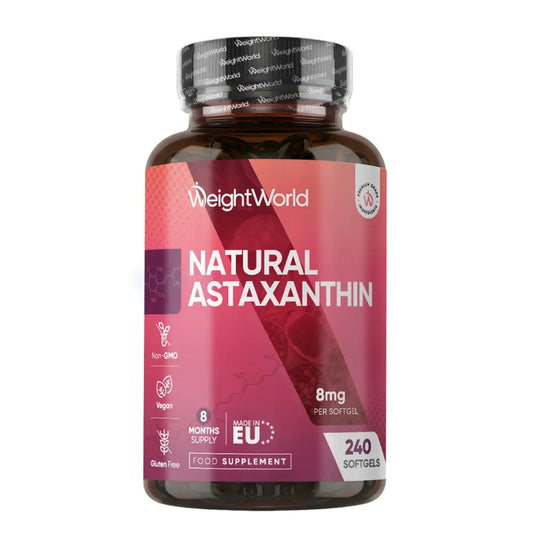
- Astaxanthin – A potent antioxidant that protects cellular membranes and may improve skin elasticity.
- Curcumin – The active component of turmeric, known for reducing systemic inflammation.
- Coenzyme Q10 (CoQ10) – Supports mitochondrial energy production and cardiovascular health.
3. Herbal and Adaptogenic Extracts
- Ashwagandha – Helps the body adapt to stress and may enhance cognitive performance.
- Rhodiola Rosea – Boosts endurance and mitigates fatigue.
- Green Tea Extract – Provides catechins that support metabolism and cardiovascular function.
How to Choose Quality supplements
Selecting a reliable product requires more than a quick glance at the label. Consider the following criteria to ensure potency, safety, and value.
- Third-Party Testing: Look for certifications from organizations such as NSF, USP, or Informed-Sport.
- Transparent Ingredient Sourcing: Brands that disclose the origin of raw materials and manufacturing processes inspire confidence.
- Dosage Form: Capsules, softgels, powders, and liquids each have absorption advantages; choose the format that aligns with personal preferences.
- Clear Labeling: The label should list active ingredients, exact quantities, and any excipients or allergens.
When researching options, browsing reputable online portals that specialise in vitamins and supplements can provide comparative data, customer reviews, and detailed product specifications.
Safety and Regulatory Considerations
Unlike prescription medicines, supplements are not subject to the same rigorous pre-market approval process. Consumers must stay vigilant to avoid contamination, inaccurate dosing, or interactions with medications.
Key Safety Tips
- Consult a healthcare professional before starting any new supplement, especially if you have chronic conditions or take prescription drugs.
- Start with the lowest effective dose and monitor how your body responds.
- Beware of mega-doses that exceed the Recommended Dietary Allowance (RDA) without clear scientific justification.
- Check for potential allergens such as soy, gluten, or dairy in the ingredient list.
Incorporating Supplements into a Balanced Lifestyle
Supplements work best when paired with foundational health habits. Below is a simple framework to integrate them effectively.
- Timing: Fat-soluble vitamins (A, D, E, K) are best taken with meals containing healthy fats; water-soluble vitamins (C, B-complex) can be taken on an empty stomach for optimal absorption.
- Consistency: Daily adherence yields the most reliable outcomes; consider using a pill organizer or setting reminders.
- Synergy: Certain nutrients enhance each other’s absorption, e.g., vitamin C improves iron uptake, while calcium may compete with magnesium.
- Evaluation: Periodically reassess your regimen through blood work or symptom tracking to determine if adjustments are needed.
For residents of the United Kingdom seeking reliable sources, many local retailers specialise in health supplements that meet stringent quality standards and offer convenient delivery options.
Frequently Asked Questions
Do I need a multivitamin if I eat a varied diet?
A well-rounded diet often supplies most essential nutrients, but gaps can still occur due to soil depletion, cooking losses, or individual metabolic differences. A targeted multivitamin can serve as an insurance policy, especially during periods of increased stress or limited food variety.
Can supplements replace prescription medication?
No. Supplements are intended to complement, not replace, medically prescribed treatments. Always follow a clinician’s guidance for any health condition.
How long does it take to notice benefits?
Results vary by supplement and individual. Some, like electrolytes, may show immediate effects, while others, such as collagen or omega-3 fatty acids, typically require 8-12 weeks of consistent use.
Are natural supplements always safer?
“Natural” does not guarantee safety. Herbal extracts can interact with drugs or cause adverse reactions at high doses. Rigorous testing and professional advice remain essential regardless of the source.
Conclusion
Optimising health through supplementation is a nuanced process that blends scientific evidence, personal needs, and quality assurance. By understanding the role of each nutrient category, selecting products that adhere to strict testing standards, and integrating them with sound lifestyle habits, individuals can close nutritional gaps and support long-term vitality. The journey toward optimal health is continuous; staying informed and consulting qualified professionals ensures that supplements remain a beneficial component of a comprehensive wellness strategy.