Lintel replacement is a critical aspect of maintaining the structural integrity of a building. Over time, lintels can suffer from wear and tear due to environmental exposure, leading to potential structural issues. Replacing them is not just about restoring functionality but also enhancing the longevity of the property. This guide provides comprehensive insights into the process, ensuring that property owners and builders make informed decisions.
Understanding Lintels and Their Importance
Lintels are horizontal supports installed above doorways and windows. They bear the load of the wall structure above these openings and distribute it to the adjacent walls. The importance of lintels cannot be overstated, as they:
- Provide essential support to prevent structural collapse.
- Ensure even load distribution across the wall.
- Contribute to the aesthetic appeal of a building.
Over time, lintels can become compromised due to moisture ingress, rust, or physical damage. When this happens, replacement becomes necessary to avoid further structural damage.
Signs That Lintel Replacement Is Necessary
Identifying when a lintel needs replacement is crucial for maintaining a building’s safety. Some common indicators include:
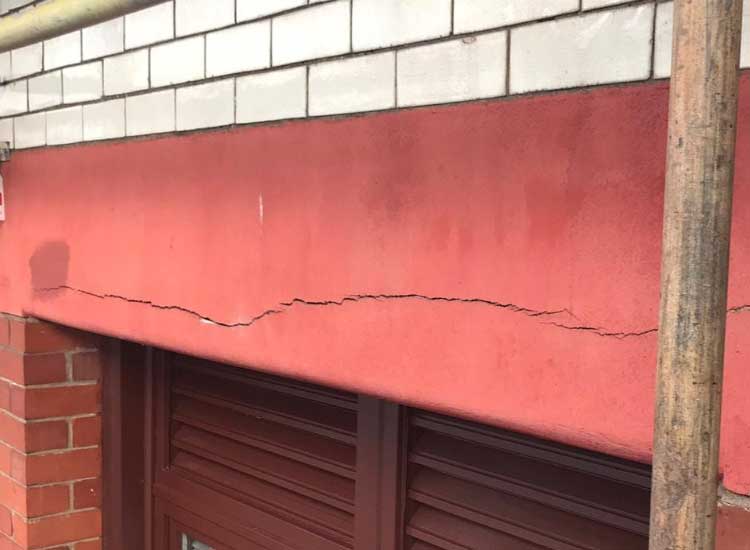
- Visible cracks or sagging above windows or doors.
- Rust stains on external lintels, indicating potential rusting of steel lintels.
- Difficulty in opening or closing doors/windows due to misalignment.
- Water ingress leading to damp patches around openings.
If any of these signs are present, it is advisable to consult with a structural expert. Discover expert strategies here.
The Lintel Replacement Process
Assessment and Planning
Before undertaking a lintel replacement, a detailed assessment of the structure is essential. This involves:
- Identifying the type and extent of damage.
- Deciding on the appropriate replacement material (such as steel, concrete, or wood).
- Planning the sequence of work to minimize disruption.
Proper planning ensures that the replacement process is efficient and effective. Learn about our tailored solutions.
Execution of Replacement
The replacement process involves several critical steps:
- Careful removal of the existing damaged lintel.
- Installation of temporary supports to bear the load during replacement.
- Fitting the new lintel and securing it in place.
- Restoring the masonry work around the new lintel.
This process should be conducted by experienced professionals to ensure safety and precision. Explore advanced guides and tips.
Choosing the Right Professionals
Selecting the right contractor is crucial for successful lintel replacement. Considerations include:
- Ensuring the contractor has relevant experience and credentials.
- Reviewing past projects and client testimonials.
- Discussing the proposed approach and cost estimates.
A professional with a proven track record will provide peace of mind and quality assurance. Find out more about this approach.
Conclusion
Lintel replacement is a vital process to maintain the structural integrity and aesthetic appeal of a building. By understanding the importance of lintels, recognizing the signs of damage, and following a structured replacement process, property owners can ensure the longevity and safety of their buildings. Engaging with experienced professionals ensures that the replacement is done efficiently and effectively, safeguarding the investment in the property for years to come.