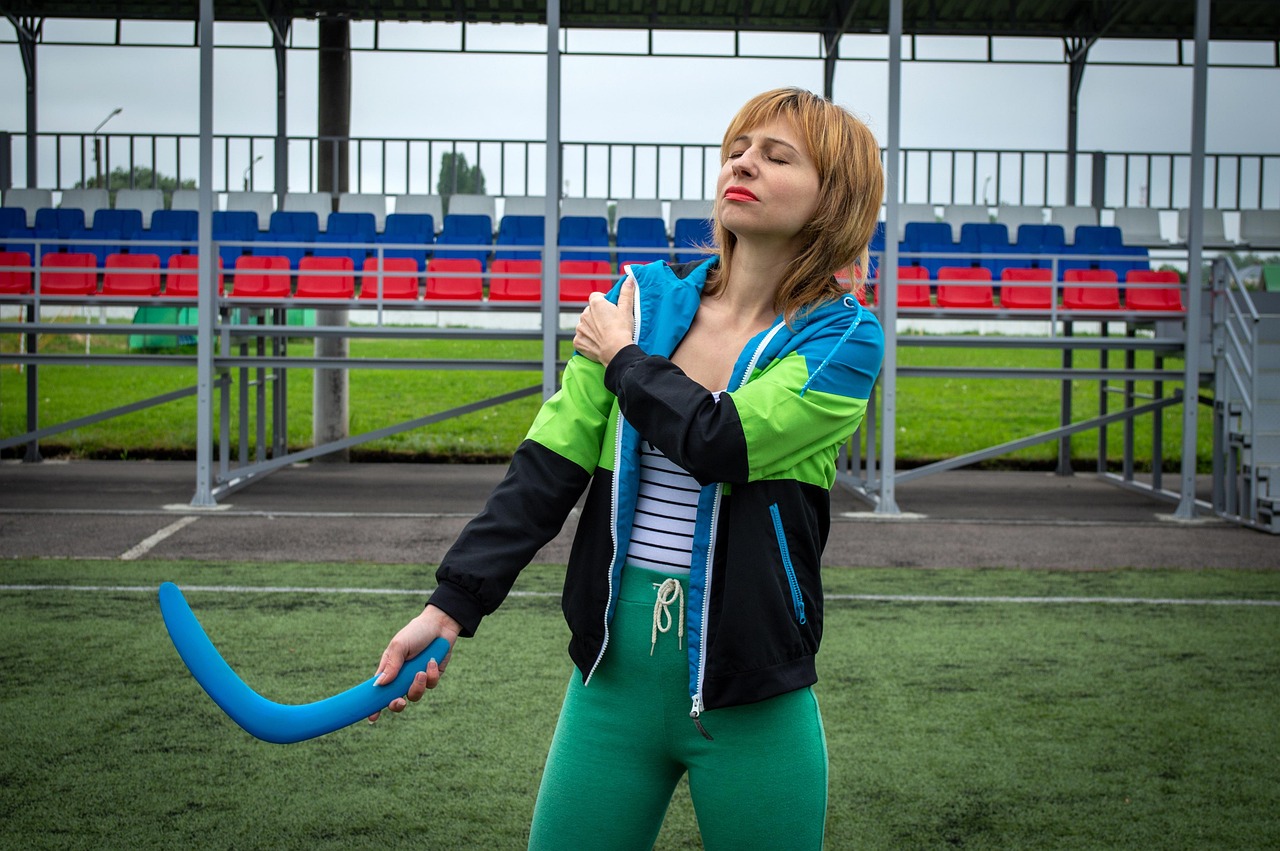
Sports injuries are an unfortunate but common aspect of engaging in physical activities. Whether an amateur athlete or a professional competitor, the risk of injury exists, and effective rehabilitation is critical for returning to peak performance. Physiotherapy plays a pivotal role in the rehabilitation process, offering targeted strategies to facilitate recovery, prevent re-injury, and enhance athletic performance. This article explores the various dimensions of sports injury physiotherapy and the integral part it plays in comprehensive rehabilitation programs.
Understanding Sports Injury Physiotherapy
Sports injury physiotherapy is a specialized field focused on diagnosing, managing, and rehabilitating injuries sustained during athletic activities. It encompasses a wide range of techniques tailored to the specific needs of each patient, ensuring a holistic approach to recovery.
Key Components of Sports Injury Physiotherapy
- Assessment and Diagnosis: Accurate assessment and diagnosis form the foundation of effective treatment. Physiotherapists conduct thorough evaluations to identify the nature and extent of injuries.
- Individualized Treatment Plans: Based on assessments, customized treatment plans are developed to address specific injuries and individual goals. Learn about our tailored solutions.
- Manual Therapy: Techniques such as joint mobilization and soft tissue manipulation are utilized to reduce pain and improve mobility.
- Exercise Prescription: Specific exercises are prescribed to strengthen muscles, improve flexibility, and enhance overall function.
- Pain Management: Various modalities, including ultrasound and electrical stimulation, are employed to manage pain effectively.
The Importance of a Tailored Rehabilitation Program
A tailored rehabilitation program is essential for optimized recovery. Physiotherapists work closely with athletes to set realistic goals and implement strategies that align with their specific needs and timelines. This personalized approach not only accelerates recovery but also minimizes the risk of future injuries.
Such programs often include:
- Progressive Loading: Gradual increase in exercise intensity to safely build strength and endurance.
- Functional Training: Exercises that mimic sport-specific movements to prepare athletes for return to play.
- Education and Advice: Ongoing education on injury prevention and optimal performance techniques. Explore advanced guides and tips.
Prevention and Performance Enhancement
Beyond recovery, sports injury physiotherapy focuses on injury prevention and performance enhancement. By identifying underlying issues such as muscle imbalances or biomechanical inefficiencies, physiotherapists can implement corrective strategies that not only prevent future injuries but also enhance athletic performance.
Prevention strategies include:
- Biomechanical Analysis: Evaluation of movement patterns to detect and correct inefficiencies.
- Strength and Conditioning: Strengthening key muscle groups to improve stability and performance.
- Flexibility and Mobility Training: Enhancing joint flexibility to reduce strain and improve range of motion. Discover expert strategies here.
Conclusion
Sports injury physiotherapy is an integral component of the rehabilitation process, offering a comprehensive approach to recovery and performance enhancement. By focusing on personalized treatment plans, injury prevention, and performance optimization, physiotherapists ensure that athletes can return to their sports safely and effectively. Find out more about this approach. The blend of expert knowledge, tailored therapy, and proactive strategies underscores the critical role of physiotherapy in sports injury rehabilitation.