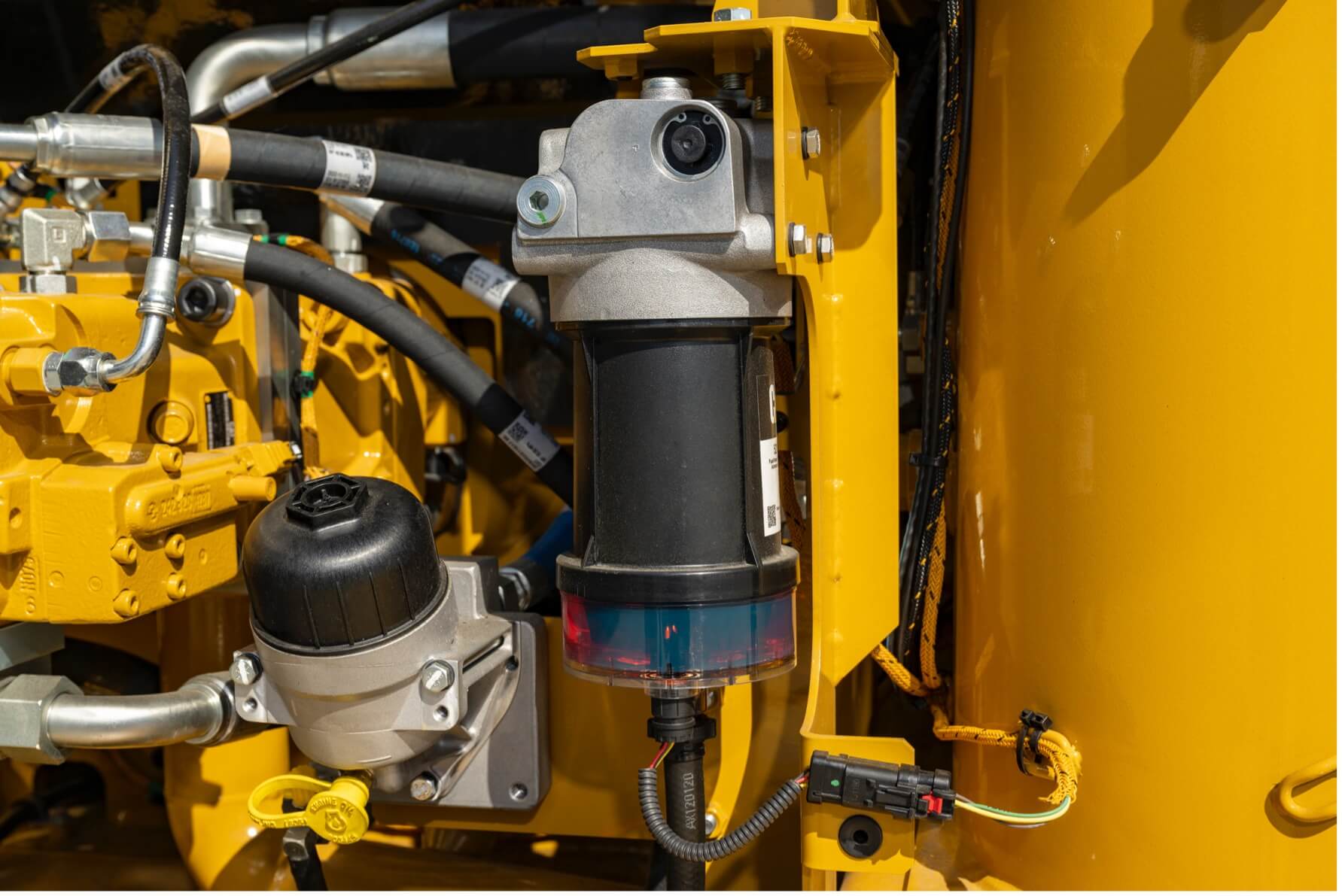
In the realm of industrial applications, lift hydraulics play an indispensable role. These systems are pivotal in powering machinery across various sectors, from manufacturing to construction, and even in everyday scenarios such as elevators. With their ability to efficiently manage heavy loads, lift hydraulics have become an essential component in optimizing productivity and ensuring safety.
Understanding Lift Hydraulics
Lift hydraulics operate on the basic principle of using liquid fluid power to perform work. This system involves the transmission of energy through a fluid, usually oil, which is then used to move or lift heavy objects. The key hydraulic lift components in these systems include pumps, valves, cylinders, and motors. Each component plays a critical role in the functionality and efficiency of the hydraulic lift.
Key Components of Lift Hydraulics
- Pumps: These are responsible for moving hydraulic fluid through the system, generating the necessary pressure to lift heavy loads.
- Valves: Valves control the flow and pressure of the hydraulic fluid, ensuring the system operates smoothly and safely.
- Cylinders: The hydraulic lift cylinder converts the hydraulic energy into mechanical energy, resulting in the lifting or moving of loads.
- Motors: These drive the pumps and are crucial for the conversion of electrical energy into hydraulic energy.
Applications in Industrial Settings
Industries rely heavily on hydraulic equipment for a multitude of applications, thanks to their robustness and efficiency. Some of the notable applications include:
- Manufacturing: Hydraulic systems are used in assembly lines and for operating heavy machinery, facilitating tasks that require precision and strength.
- Construction: From cranes to excavators, lift hydraulics are integral in the construction industry, allowing for the movement and lifting of heavy materials with ease.
- Automotive: In automotive factories, hydraulic systems help in the manufacturing and assembly of vehicles, ensuring efficiency and safety.
- Aerospace: The aerospace industry employs hydraulic systems for testing and assembling components, where precision and reliability are paramount.
Benefits of Lift Hydraulics
The adoption of lift hydraulics in industrial applications offers several advantages:
- Efficiency: Hydraulic systems can handle large amounts of power with minimal energy loss, making them highly efficient.
- Control: They provide precise control over speed, force, and position, which is crucial in sensitive industrial processes.
- Durability: Well-maintained hydraulic systems are known for their longevity and reliability, reducing the need for frequent replacements.
- Safety: Hydraulic systems can be designed to operate safely under high pressure, reducing the risk of accidents in industrial settings.
Future Trends in Hydraulic Systems
As technology advances, the future of hydraulic systems is set to become even more sophisticated. Innovations such as smart sensors and IoT integration are paving the way for more efficient and automated systems. These advancements will further enhance the performance and reliability of hydraulic systems in industrial applications.
In conclusion, the role of lift hydraulics in industrial applications is crucial and irreplaceable. With continuous advancements in technology, these systems are poised to become even more integral to industrial processes, offering enhanced efficiency, safety, and control.