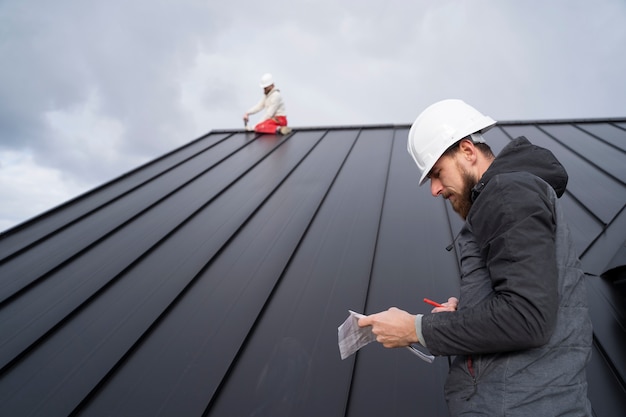
Maintaining the integrity of a building’s roof is fundamental to ensuring the safety and comfort of its occupants. A roof acts as the first line of defense against environmental elements such as rain, wind, snow, and sunlight. Over time, these factors can cause damage that may not be visible to the untrained eye. This is why regular roof inspections are crucial for the longevity of any structure. Roof inspections help identify potential issues before they escalate into costly repairs, ensuring the safety and value of the property remains intact.
Benefits of Regular Roof Inspections
Regular roof inspections offer numerous advantages, which include:
- Early Detection of Problems: Identifying issues like leaks, cracks, or weak spots early can prevent more severe damage.
- Cost Efficiency: Preventative maintenance is generally less expensive than emergency repairs or complete roof replacements.
- Extended Roof Lifespan: Regular maintenance can significantly extend the life of a roof by addressing minor issues before they worsen.
- Insurance Benefits: Many insurance policies require regular maintenance checks to remain valid.
Discover expert strategies here to enhance your roof’s durability and efficiency.
The Roof Inspection Process
A comprehensive roof inspection involves several critical steps:
Visual Inspection
Inspectors will initially perform a visual assessment. This includes checking for missing or damaged shingles, assessing the condition of gutters and downspouts, and observing any visible sagging.
Structural Inspection
This phase involves evaluating the structural integrity of the roof. Inspectors look for signs of sagging, uneven surfaces, and any damage to the roofing materials that could compromise the structure.
Material Inspection
During this stage, the focus is on the roof’s materials. Inspectors check for wear and tear, such as blistering, curling, or cupping of shingles.
Interior Inspection
Inspectors often check the interior of the building for signs of water damage, mold, or leaks that might indicate roof problems.
Learn about our tailored solutions here to better understand the detailed inspection process.
Frequency and Timing of Inspections
The frequency of roof inspections can depend on several factors, including the age of the roof, the materials used, and local weather conditions. As a general guideline:
- New Roofs: Consider inspections every three to five years.
- Older Roofs: Annual inspections are advisable to catch problems early.
- After Severe Weather: Always inspect for damage following major storms or weather events.
Explore advanced guides and tips here to determine the best inspection schedule for your roof.
Choosing a Professional Roof Inspector
When selecting a roof inspector, consider the following:
- Experience and Qualifications: Ensure the inspector is certified and has a proven track record.
- Local Knowledge: Local inspectors will understand regional weather patterns and common roofing issues.
- References and Reviews: Check out customer reviews here to see what others are saying about us.
Find out more about this approach here to ensure you’re working with qualified professionals.
Conclusion
Regular roof inspections are a key element of responsible property management. They provide peace of mind, save money in the long run, and help maintain the safety and value of a home or building. By understanding the inspection process and choosing the right professionals, property owners can ensure their roofs remain in optimal condition. For those seeking to deepen their knowledge, a wealth of information is available to guide maintenance practices effectively.