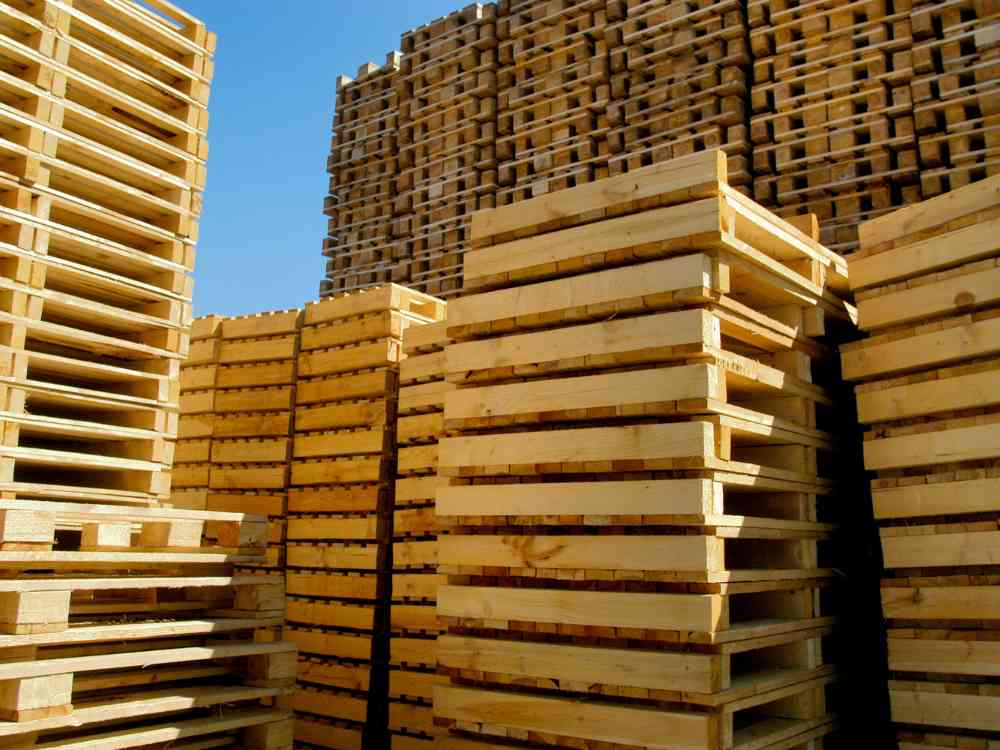
In the realm of international shipping, the significance of adhering to global standards cannot be overstated. One such critical standard is the ISPM-15 regulation, which is specifically applied to the use of wooden pallets and packaging material. This regulation ensures the prevention of the spread of pests and diseases through international trade, safeguarding both local ecosystems and global economies. The adoption of ISPM-15 Heat Treated Pallets is not merely a regulatory requirement but a strategic move for businesses seeking to streamline their shipping processes while ensuring compliance with international trade laws.
The Necessity of ISPM-15 Standards
ISPM-15, which stands for the International Standards for Phytosanitary Measures No. 15, is a guideline developed by the International Plant Protection Convention (IPPC). It mandates the treatment of wood materials thicker than 6 mm used in international shipping. This measure is pivotal for several reasons:
- Prevention of Pest Infestation: Wooden pallets are susceptible to pest infestation. Heat treatment ensures the eradication of pests, thereby preventing the spread of invasive species across borders.
- Compliance with International Regulations: Countries around the world have adopted ISPM-15 standards, making ISPM-15 Pallets essential for businesses that export goods internationally.
- Facilitates Trade: By using compliant pallets, businesses can avoid potential delays and rejections at customs, thus ensuring smoother trade operations.
Benefits of Heat Treated Pallets
Enhanced Durability and Safety
The process of heat treatment involves exposing wooden pallets to high temperatures to eliminate pests and pathogens. This not only makes the pallets safer but also enhances their durability, allowing them to withstand the rigors of international shipping. The added strength reduces the likelihood of damage during transit, protecting the goods they carry.
Environmental and Economic Impact
Heat treated pallets are a more sustainable option compared to chemically treated alternatives. The absence of chemicals means they are safer for the environment and can be easily recycled or repurposed. Economically, investing in Heat Treated Pallets can result in cost savings by minimizing potential losses from pest-related damages and avoiding fines for non-compliance with international regulations.
Implementing ISPM-15 Compliance
For businesses engaged in international shipping, implementing ISPM-15 compliance is a straightforward process. It involves sourcing pallets from certified suppliers who adhere to the heat treatment standards. The pallets must be marked with the ISPM-15 stamp, indicating they have been treated and are compliant with international standards.
- Choose Certified Suppliers: Ensure that pallet suppliers are certified and provide documentation of compliance.
- Regular Audits: Conduct periodic audits to ensure ongoing compliance with ISPM-15 standards.
- Training and Awareness: Educate staff involved in logistics and supply chain management on the importance and benefits of using compliant pallets.
Conclusion
In conclusion, the adoption of ISPM-15 Heat Treated Pallets is a critical component of international shipping strategies. By ensuring compliance with these standards, businesses can protect their interests, uphold trade integrity, and minimize environmental impact. This approach not only adheres to international regulations but also supports sustainable and efficient trading practices, ultimately benefiting the global economy. For more detailed information on obtaining ISPM-15 compliant pallets, consider exploring reputable suppliers who specialize in these essential shipping materials.