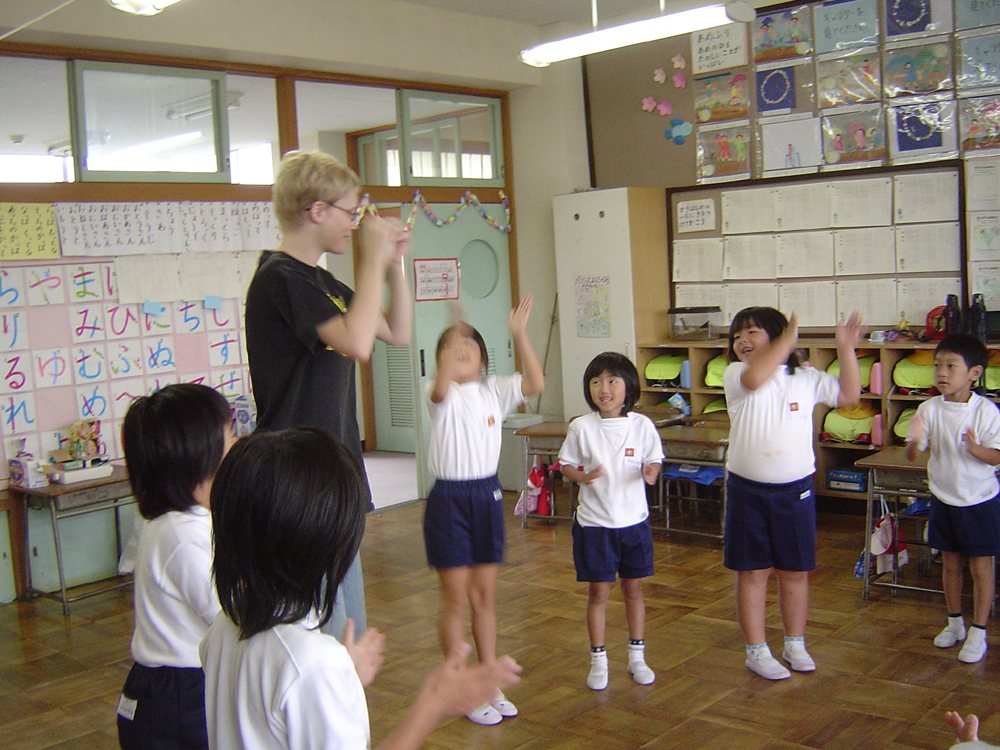
In Japan, the foundation of education is deeply rooted in the formative years of a child’s life, notably the kindergarten and elementary stages. These early years are pivotal in shaping a child’s cognitive, social, and emotional development. The integration of kindergarten elementary programs into the Japanese education system has significantly impacted the overall learning outcomes of students. As early childhood education continues to evolve, these programs have become a cornerstone in nurturing young minds and preparing them for a lifelong educational journey.
The Role of Kindergarten in Early Education
Kindergarten serves as the initial step in formal education, where children are introduced to structured learning environments. In Japan, kindergarten programs emphasize:
- Developing social skills through group activities and play.
- Fostering creativity and curiosity with arts and crafts.
- Introducing basic academic concepts such as numbers and letters.
- Encouraging physical development through outdoor activities.
These aspects are integral to creating a learning environment in the classroom that is conducive to the holistic development of children. The balance between play and education helps children transition smoothly into more structured learning settings.
Elementary Education in Japan
Core Curriculum and Activities
Japanese elementary schools offer a robust curriculum that includes subjects like mathematics, science, language, and social studies. The curriculum is designed to build on the foundation laid during kindergarten and is often complemented by extracurricular activities. These activities, ranging from sports to music, are essential for a well-rounded education. A visit to a minato elementary school showcases the diversity of programs available to students.
Importance of Music and Arts
Music and arts play a crucial role in the Japanese education system, with dedicated elementary music teachers guiding students in exploring their creative potentials. Participation in music classes not only enhances cultural appreciation but also aids in cognitive development and emotional expression.
Impact on Long-term Educational Outcomes
The integration of kindergarten and elementary programs in Japan has far-reaching effects on students’ academic and personal growth. By fostering a strong educational foundation early on, students are better equipped to handle the challenges of higher education and beyond. The transition from elementary in japan to junior high and high school is smoother, as students have already developed essential skills and learning habits.
Conclusion
The impact of kindergarten elementary programs on Japanese education is profound, setting the stage for lifelong learning and development. By prioritizing a nurturing and comprehensive early education framework, Japan continues to produce well-rounded, educated individuals who contribute meaningfully to society. This emphasis on early childhood education ensures that students not only excel academically but also thrive emotionally and socially.