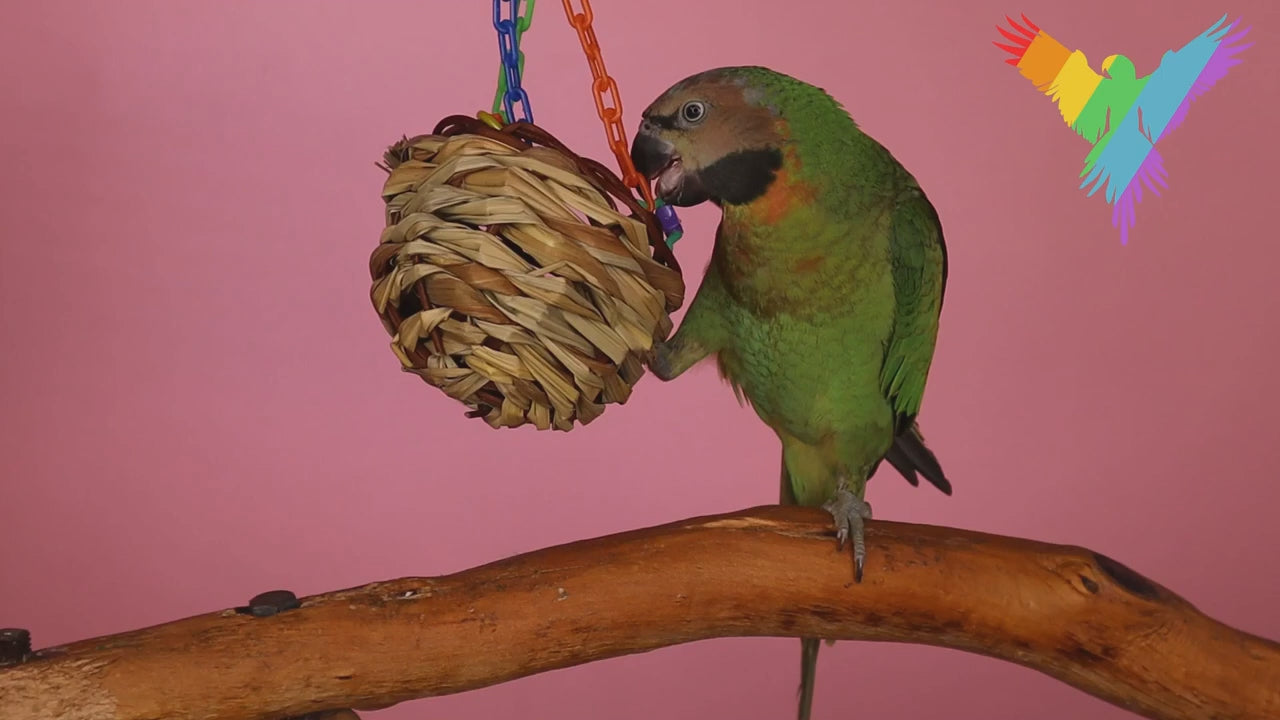
Parakeets, with their vibrant plumage and lively personalities, are a joy to keep as pets. However, ensuring their health and longevity requires careful attention to their diet. Understanding the best food for parakeets is crucial for their wellbeing, as a balanced diet can prevent a myriad of health issues. This article delves into the most nutritious options available for your feathered friend, offering insights into what constitutes a well-rounded parakeet diet.
Understanding Parakeet Nutrition
Parakeets require a diverse diet to meet all their nutritional needs. A healthy diet should include a variety of seeds, fruits, vegetables, and proteins to ensure that they receive a full spectrum of nutrients.
Seeds: The Staple Diet
- Millet: A favorite among parakeets, rich in carbohydrates and easy to digest.
- Canary Seeds: Provide essential fats and proteins.
- Oats: High in fiber, they aid in digestion and provide energy.
While seeds are a staple, they should not be the only component of a parakeet’s diet. Discover expert strategies here on balancing seed intake with other food types.
Fresh Fruits and Vegetables
Fruits and vegetables provide essential vitamins and minerals that seeds alone cannot offer. Some excellent options include:
- Apples: A good source of vitamin C, but ensure seeds are removed.
- Carrots: Rich in beta-carotene, promoting healthy eyesight.
- Spinach: Offers iron and calcium, crucial for bone health.
Introduce these foods gradually to prevent digestive upset. Learn about our tailored solutions for integrating fruits and vegetables into your bird’s diet.
Protein Sources
Proteins are vital for tissue repair and growth in parakeets. While seeds provide some protein, additional sources can be beneficial:
- Boiled Eggs: A well-rounded protein source, serve in small amounts.
- Cooked Chicken: Offers lean protein but should be unseasoned.
- Legumes: Lentils and chickpeas are excellent for adding variety.
Combining these protein sources with other dietary components can significantly enhance nutritional intake. Explore advanced guides and tips for protein-rich diet options.
Supplements and Treats
While a varied diet is essential, supplements can help fill nutritional gaps. Calcium blocks and vitamin supplements can be useful, especially if your parakeet is breeding or molting. Treats should be given sparingly and can include:
- Honey Sticks: A sweet treat, but should be offered in moderation.
- Sprouted Seeds: Nutrient-dense and easy to digest.
- Nutri-Berries: Provide balanced nutrition in a fun, engaging way.
Treats are an excellent way to bond with your bird but ensure they do not replace main meals. Find out more about this approach to using supplements and treats effectively.
Conclusion
Crafting the best diet for your parakeet involves understanding the balance between seeds, fruits, vegetables, proteins, and occasional treats. By ensuring a varied and nutritious diet, you can promote a healthy and vibrant life for your parakeet. For more detailed dietary plans and product recommendations, explore resources that offer expert insights into parakeet nutrition.