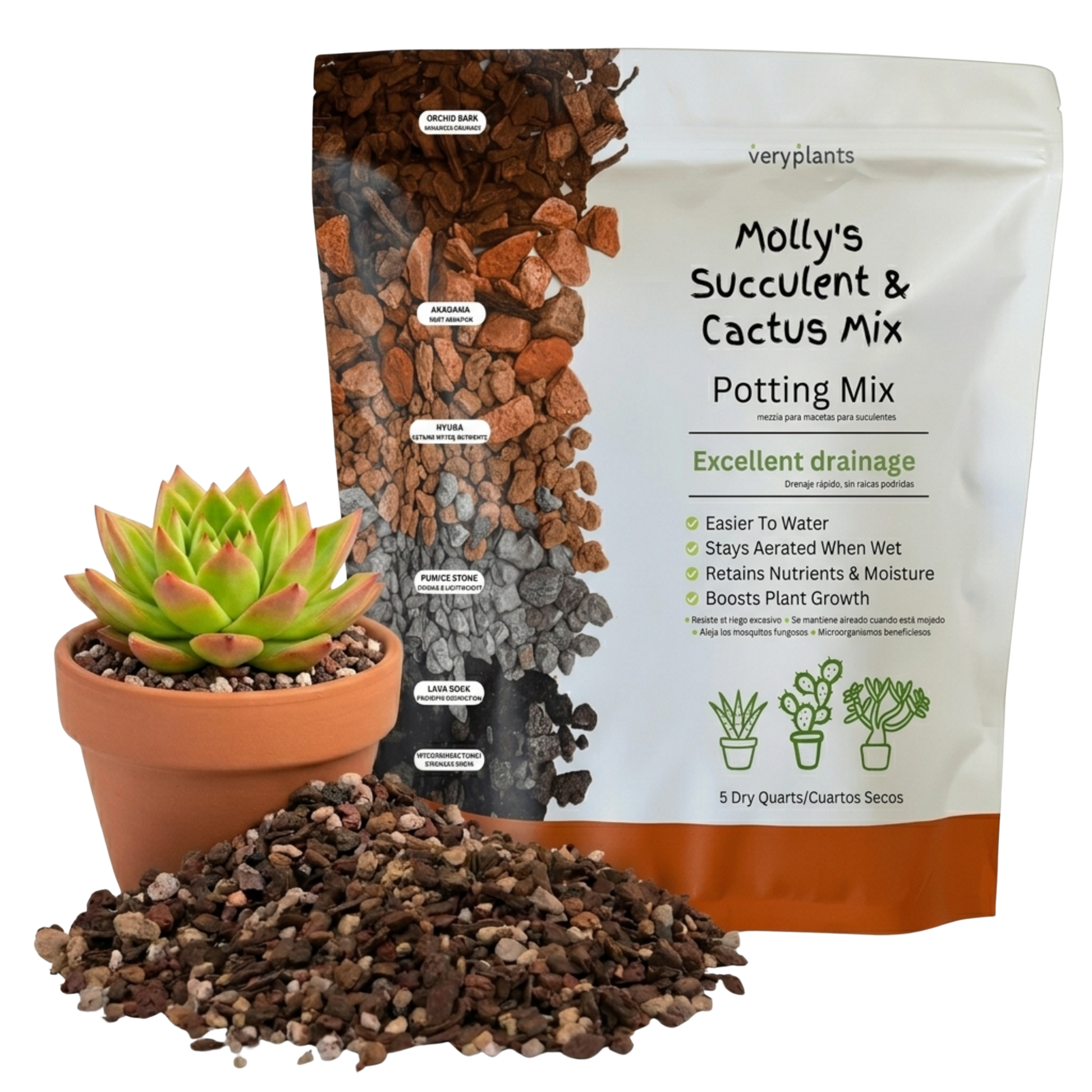
Indoor plants have become a staple in modern homes, offering aesthetics, improving air quality, and enhancing overall well-being. However, the traditional soil-based potting mix isn’t always the best fit for every plant enthusiast, particularly for those who face challenges such as pests, soil-borne diseases, or limited storage space. Fortunately, there are a variety of soil alternatives suitable for indoor gardening that can help plants thrive. This article delves into the various options available, their benefits, and how to effectively utilize them for a flourishing indoor garden.
Understanding the Need for Soil Alternatives
The choice to utilize soil alternatives often stems from several factors:
- Control over nutrient levels: Soil alternatives allow for precise management of nutrients, ensuring plants receive exactly what they need.
- Reduced risk of pests and diseases: Many soil alternatives are sterile, minimizing the risks associated with soil-borne pests and diseases.
- Improved aeration and drainage: Alternatives such as perlite and vermiculite enhance airflow around plant roots, promoting healthier growth.
For an in-depth exploration of these benefits, discover expert strategies here.
Popular Soil Alternatives for Indoor Plants
Coco Coir
Derived from the husk of coconuts, coco coir is a popular choice for indoor gardeners due to its excellent water retention properties and sustainable nature. It provides a hospitable environment for root growth, making it suitable for a wide range of plants.
- Sustainable and eco-friendly
- Retains moisture while allowing for adequate drainage
- Neutral pH, making it adaptable for various plant types
Find out more about this approach to using coco coir effectively.
Perlite and Vermiculite
Both perlite and vermiculite are mineral-based soil alternatives that enhance aeration and drainage. They are often used in combination with other substrates to create a balanced growing medium.
- Perlite: Lightweight, improves drainage, and prevents soil compaction
- Vermiculite: Absorbs moisture and nutrients, releasing them slowly to plant roots
These characteristics make them ideal for plants that require well-drained soil. Learn about our tailored solutions for incorporating these materials into your indoor garden.
Hydroponics
Hydroponics is a soil-less method of growing plants using a nutrient-rich water solution. This method allows for precise control over nutrient delivery, resulting in faster growth and higher yields.
- Water-based system reduces the need for traditional soil
- Efficient nutrient uptake leads to rapid growth
- Ideal for small spaces and urban environments
To explore advanced guides and tips on hydroponics, explore advanced guides and tips.
Choosing the Right Soil Alternative for Your Plants
When selecting a soil alternative, consider the specific needs of your plants:
- Moisture requirements: Does your plant prefer a more moisture-retentive medium or one that allows for quicker drying?
- Nutrient needs: Some plants thrive with minimal nutrients, while others require a rich growing medium.
- Space constraints: Hydroponic systems may be more suitable for limited spaces compared to bulky traditional soil setups.
By understanding these factors, indoor gardeners can make informed decisions that align with their specific gardening goals. Discover expert strategies here to optimize your indoor gardening setup.
As indoor gardening continues to evolve, the availability and diversity of soil alternatives offer exciting opportunities for plant enthusiasts. By exploring options like coco coir, perlite, vermiculite, and hydroponics, gardeners can create thriving environments for their plants, tailored to their unique needs and preferences. Whether you’re a seasoned gardener or just starting, these alternatives provide a versatile and effective foundation for indoor horticulture success.