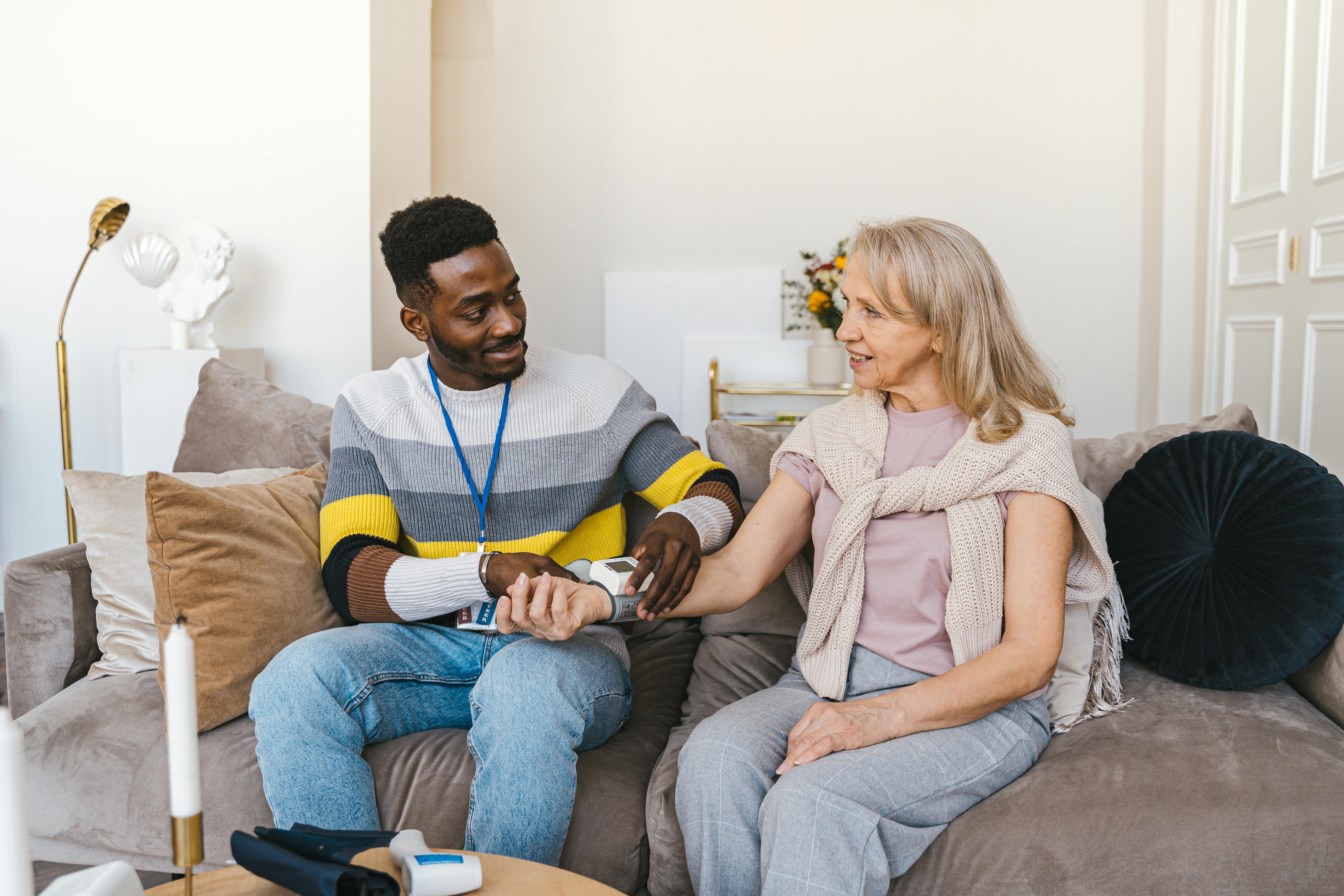
The aging population has led to an increased demand for specialized care solutions that cater to the unique needs of elderly individuals. Among these solutions, skilled nursing care provided at home has gained prominence, offering a blend of medical expertise and personal comfort. This type of care is particularly beneficial for elderly patients who require ongoing medical attention, but prefer to remain in the familiar environment of their homes. By opting for skilled nursing care at home, families can ensure that their loved ones receive comprehensive medical care while maintaining their quality of life.
Understanding Skilled Nursing Care
Skilled nursing care encompasses a range of medical services administered by licensed healthcare professionals. These services are typically necessary for patients recovering from an illness or surgery, or those with chronic health conditions requiring consistent medical supervision. The core components of skilled nursing care include:
- Medication management and administration
- Wound care and dressing changes
- Monitoring vital signs and managing health conditions
- Physical, occupational, and speech therapy
- Coordination with doctors and other healthcare providers
For a deeper understanding of skilled nursing care at home, read more about this topic.
Benefits of At-Home Skilled Nursing Care
Personalized Attention
One of the significant advantages of receiving skilled nursing care at home is the personalized attention given to each patient. Unlike institutional settings, in-home care ensures that the patient’s unique needs and preferences are prioritized. This approach not only enhances the quality of care but also boosts the patient’s morale and overall well-being.
Comfort and Familiarity
The comfort of home can greatly impact a patient’s recovery and emotional health. Being in a familiar setting surrounded by loved ones can reduce stress and promote a positive mindset, which is crucial for healing. Patients receiving care at home can maintain their routines and enjoy the comforts of their personal space, leading to improved satisfaction and happiness.
Cost-Effectiveness
In many cases, skilled nursing care at home can be more cost-effective than long-term hospitalization or care in a nursing facility. Families can save on various costs associated with institutional care while still ensuring their loved ones receive high-quality medical attention. Learn more in this detailed guide on the cost benefits of at-home care.
Considering Skilled Nursing Care
When contemplating skilled nursing care for an elderly family member, several factors should be considered to ensure the best outcomes. These include:
- Assessment of the patient’s medical and personal needs
- Evaluation of the home environment’s suitability for medical care
- Availability of trained and qualified nursing professionals
- Coordination with healthcare providers for comprehensive care planning
For those considering this option, explore further insights here to help make informed decisions.
Implementing Skilled Nursing Care at Home
Implementing skilled nursing care at home requires careful planning and coordination. Key steps include:
- Consulting with healthcare providers to develop a personalized care plan
- Ensuring the home environment is equipped with necessary medical supplies and equipment
- Regularly monitoring the patient’s progress and adjusting care plans as needed
- Maintaining open communication between the patient, family members, and medical professionals
For additional guidance on implementing this care effectively, find additional information here.
Conclusion
Skilled nursing care at home offers a viable and effective solution for elderly patients requiring medical attention. By providing personalized care in the comfort of their homes, patients can experience improved health outcomes and enhanced quality of life. Families considering this option should carefully evaluate their loved one’s needs and collaborate with healthcare professionals to develop a comprehensive care plan. As the demand for in-home healthcare continues to grow, skilled nursing care remains a critical component of eldercare solutions, ensuring that elderly patients receive the medical support they need while enjoying the comforts of home.