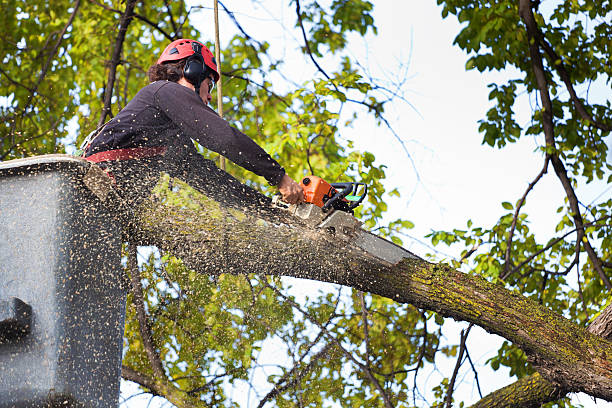
Trees are a vital component of residential landscapes, offering not just aesthetic appeal but also environmental benefits such as shade, improved air quality, and increased property value. Proper tree care is essential to maintaining these benefits and ensuring the safety and beauty of your property. This article explores the fundamental aspects of residential tree care, providing insights into maintenance practices that help keep your trees healthy and your property pristine.
Understanding the Basics of Tree Care
Effective residential tree care involves regular maintenance and monitoring to prevent disease, encourage healthy growth, and improve the overall appearance of your landscape. Here are some key elements to consider:
- Regular Pruning: Pruning helps remove dead or diseased branches, which can prevent the spread of disease and promote healthier growth.
- Watering: Adequate watering, especially during dry spells, ensures that trees receive the moisture they need to thrive.
- Mulching: Applying mulch around the base of trees helps retain moisture, suppress weeds, and provide nutrients.
- Fertilization: Providing the right nutrients through fertilization can support tree health and vigor.
- Inspection for Pests and Diseases: Regular inspections can help identify and manage pest infestations and diseases early.
Benefits of Professional Tree Care Services
Expertise and Experience
Professional tree care services offer expertise and experience that can be invaluable, especially for complex tasks such as large tree pruning or stump removal. Certified arborists can provide personalized advice tailored to the specific needs of your trees and property.
Learn more in this detailed guide.
Safety and Efficiency
Tree care can be hazardous, particularly when dealing with large trees or using heavy equipment. Professionals have the necessary safety equipment and training to perform these tasks safely and efficiently, minimizing the risk of injury or property damage.
Common Tree Diseases and How to Prevent Them
Understanding common tree diseases and their prevention can help maintain the health of your trees. Some prevalent diseases include:
- Anthracnose: A fungal disease affecting leaves, causing them to brown and fall prematurely. Pruning infected branches and promoting good air circulation can help prevent it.
- Powdery Mildew: This fungus appears as a white powder on leaves and can be controlled with fungicidal treatments and proper tree spacing.
- Root Rot: Caused by overly wet soil conditions, it can be mitigated by ensuring proper drainage and avoiding overwatering.
Explore further insights here.
Seasonal Tree Care Tips
Tree care needs can vary with the seasons. Here are some tips for each season:
Spring
- Inspect trees for any winter damage and prune as necessary.
- Fertilize to encourage new growth.
Summer
- Water deeply and infrequently to help trees withstand the heat.
- Watch for signs of pests and diseases.
Fall
- Prune trees to remove dead or weak branches.
- Apply mulch for winter protection.
Winter
- Inspect for damage after storms and remove broken branches.
- Avoid heavy pruning during dormancy.
Find additional information here.
Conclusion
Maintaining the health and beauty of trees on residential properties is a crucial aspect of landscape management. By following proper tree care practices and seeking professional assistance when needed, property owners can enjoy the numerous benefits that trees offer. Regular maintenance not only enhances the aesthetic appeal of a property but also contributes to a healthier and safer environment.