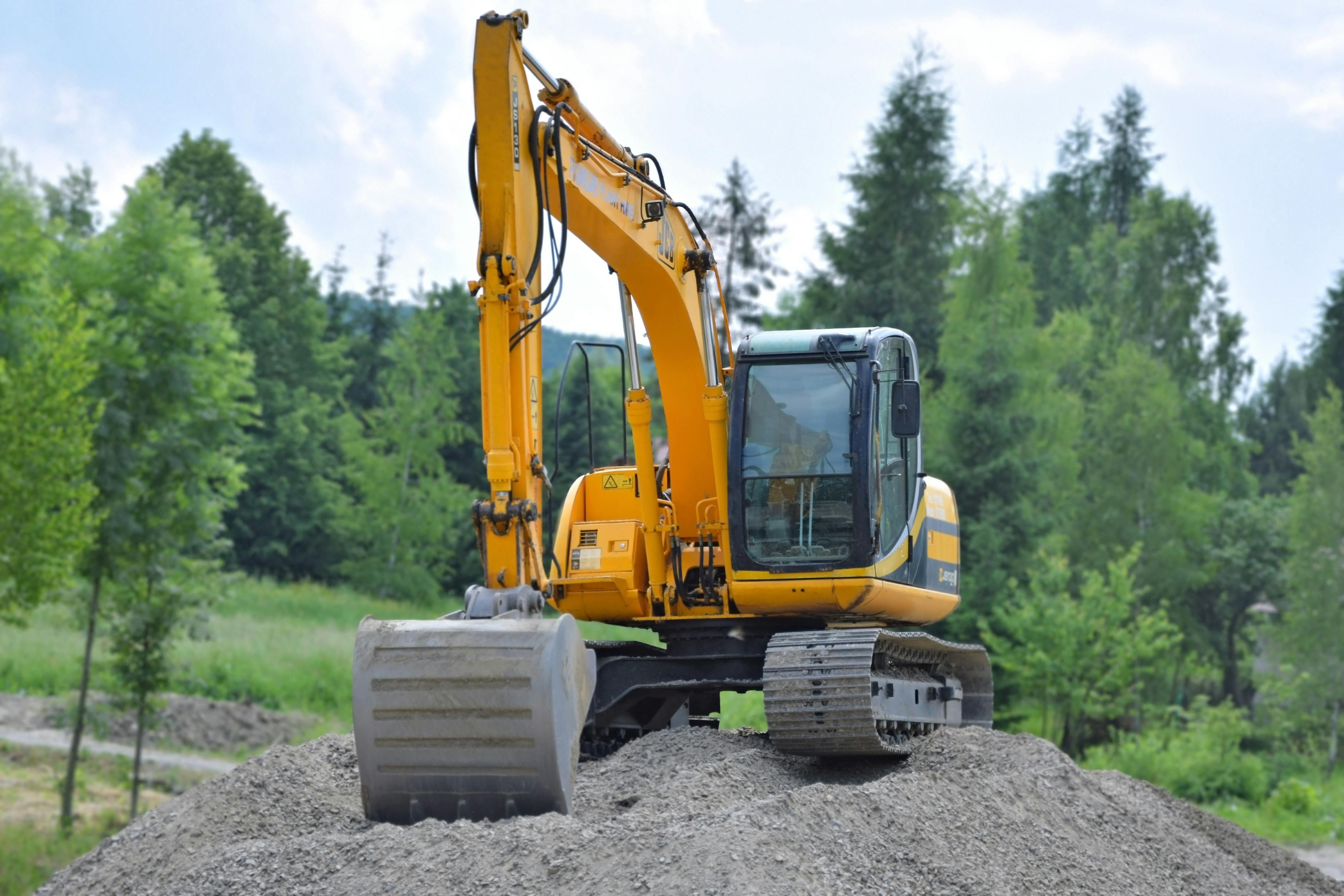
Renting an amphibious excavator can be an excellent solution for projects involving challenging terrains and aquatic environments. These specialized machines are designed to perform efficiently on soft ground, swamps, and waterlogged areas, making them invaluable for construction, dredging, and environmental restoration projects. This article will guide you through the essential considerations and steps involved in renting an amphibious excavator, helping to ensure a smooth and successful operation.
Understanding Amphibious Excavators
Amphibious excavators are engineered to operate in environments that are usually inaccessible to standard excavators. They are equipped with floats or pontoons that enable them to work on water and soft terrain effectively.
Key Features of Amphibious Excavators
- Buoyant undercarriage for stability on water.
- Extended reach capabilities for dredging or deep excavation.
- Customizable attachments for various tasks.
- Enhanced maneuverability in restricted and challenging areas.
These unique features make amphibious excavators indispensable for specific projects. Explore advanced guides and tips about how these machines can be adapted to meet project needs.
When to Consider Renting an Amphibious Excavator
Determining whether to rent an amphibious excavator depends on several factors:
- Project Type: Ideal for construction in marshlands, riverbanks, and coastal areas.
- Duration: Renting is cost-effective for short-term projects or irregular tasks.
- Budget: Consider rental costs versus the benefits of enhanced productivity and efficiency.
- Expertise: Ensure the availability of trained operators who understand the machine’s capabilities and limitations. Find out more about this approach.
These considerations will help in deciding the necessity and timing for renting such a specialized piece of equipment.
Steps to Rent an Amphibious Excavator
Renting an amphibious excavator involves several critical steps to ensure the process is efficient and meets project demands.
Research and Selection
- Identify Reputable Rental Providers: Look for companies with a proven track record in heavy equipment rental.
- Evaluate Equipment Options: Choose the excavator model that best suits your project’s technical requirements.
- Review Contract Details: Understand rental terms, including duration, rates, and liability clauses.
Choosing the right provider and equipment is crucial. Learn about our tailored solutions for more detailed guidance on selecting the appropriate equipment.
Logistics and Planning
- Coordinate Delivery: Arrange for the timely delivery of the equipment to the job site.
- Site Preparation: Ensure the site is ready for equipment deployment and operation.
- Operator Training: Provide necessary training or hire experienced operators familiar with amphibious excavators.
Effective planning and coordination can significantly impact the efficiency and success of the project. Discover expert strategies here to streamline the logistics process.
Safety and Maintenance Considerations
Operating an amphibious excavator requires adherence to safety protocols and maintenance schedules:
- Conduct Regular Inspections: Routine checks ensure the equipment is in good working condition.
- Follow Safety Guidelines: Implement safety measures to protect operators and the environment.
- Scheduled Maintenance: Engage in preventive maintenance to avoid unexpected breakdowns.
Safety and maintenance are integral to the smooth operation of rented machinery. Explore advanced guides and tips on maintaining and operating heavy equipment safely.
By understanding the intricacies of renting an amphibious excavator, project managers can optimize operations and achieve desired outcomes in challenging environments. This guide offers a comprehensive overview, but consulting with industry experts can provide additional insights tailored to specific project needs.