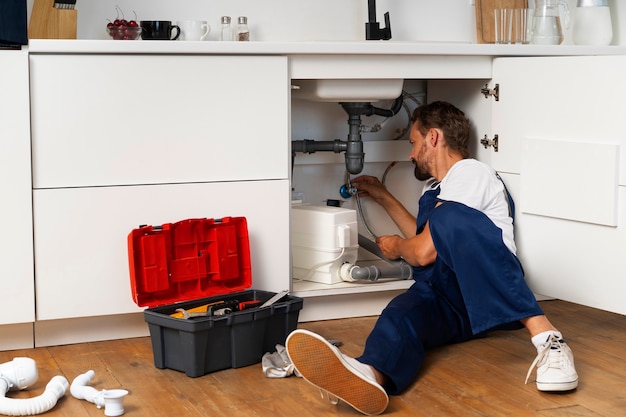
Water damage on ceilings is a common yet challenging problem that many homeowners face. Whether due to a leaky roof, burst pipes, or a malfunctioning appliance, the issue can lead to unsightly stains, structural damage, and even mold growth if not addressed promptly. Timely intervention and understanding the right techniques are crucial in minimizing the damage and restoring the ceiling to its former condition. This article delves into quick and effective solutions for fixing water damage on ceilings, offering insights into the necessary steps to take and when to seek professional help.
Identifying the Source of Water Damage
Before any repair work begins, it is essential to identify the source of the water damage. This ensures that the problem is addressed at its root, preventing future recurrence. Common sources include:
- Leaky roofs due to damaged shingles or flashing.
- Plumbing issues such as burst pipes or faulty connections.
- Condensation from poor insulation or ventilation.
For more detailed information on identifying and resolving the sources of water damage, discover expert strategies here.
Initial Steps to Mitigate Damage
Once the source is identified, the following steps should be taken immediately to mitigate further damage:
- Stop the flow of water by turning off the main valve or fixing the leak.
- Remove any standing water using towels or a wet/dry vacuum.
- Dry the area thoroughly using fans or a dehumidifier to prevent mold growth.
Taking these initial steps can significantly reduce the extent of the damage and make the repair process smoother. Learn about our tailored solutions for comprehensive guidance.
Repairing the Ceiling
Assessing the Extent of Damage
Evaluating the extent of the damage is crucial in determining the appropriate repair method. For minor stains and superficial damage, a fresh coat of stain-blocking primer and paint might suffice. However, for more severe damage involving sagging or crumbling material, more extensive repairs will be necessary.
Patching and Repainting
For minor repairs:
- Use a putty knife to scrape off any loose material.
- Apply a patching compound to fill in holes or cracks.
- Sand the area smooth once the compound has dried.
- Prime the ceiling with a stain-blocking primer.
- Repaint the area to match the rest of the ceiling.
For in-depth repair techniques, explore advanced guides and tips.
When to Call Professionals
While DIY repairs can address minor issues, significant water damage often necessitates professional intervention. Consider seeking expert help if:
- The damage is extensive or involves structural elements.
- Mold growth is present, posing health risks.
- The source of the water leak is not easily identifiable.
Professional services not only ensure thorough repair but also help in preventing future issues. Find out more about this approach to professional water damage restoration.
Preventing Future Water Damage
Prevention is always better than cure. To safeguard your ceiling from future water damage, consider implementing these preventive measures:
- Regularly inspect and maintain the roof and plumbing systems.
- Ensure proper insulation and ventilation in attics and crawl spaces.
- Install water leak detectors for early warning signs.
By taking preventive steps, homeowners can protect their homes from the costly consequences of water damage. For more preventive strategies, explore advanced guides and tips.
In conclusion, addressing water damage on ceilings promptly and effectively is crucial in preserving both the beauty and integrity of a home. By following the outlined steps and seeking professional help when necessary, homeowners can ensure their ceilings remain in top condition, free from unsightly stains and structural issues.