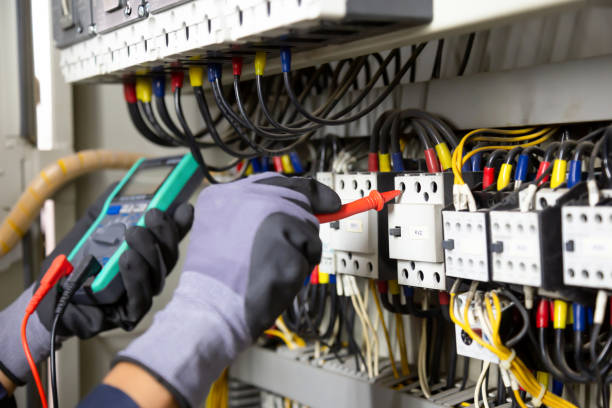
In the realm of home and business maintenance, proactive measures often prove more beneficial than reactive ones. Electrical systems, being the backbone of modern infrastructure, require regular oversight to ensure their optimal functioning. Electrical preventive maintenance is not just a good practice but a necessity for ensuring safety and efficiency. By investing in routine maintenance, potential hazards can be minimized, and costly repairs can be avoided. Understanding the importance of such maintenance can lead to enhanced safety and significant financial savings.
Understanding Electrical Preventive Maintenance
Electrical preventive maintenance involves scheduled inspections, testing, and necessary repairs of electrical systems. This proactive approach helps identify potential issues before they cause significant problems. The primary goal is to ensure that electrical systems operate safely and efficiently, minimizing the risk of unexpected failures.
Benefits of Electrical Preventive Maintenance
- Enhanced Safety: Regular maintenance helps in identifying and mitigating potential safety hazards, reducing the risk of electrical fires or accidents.
- Cost Savings: Addressing small issues before they escalate into larger problems can save substantial repair costs.
- Increased Efficiency: Well-maintained electrical systems operate more efficiently, leading to reduced energy consumption and lower utility bills.
- Prolonged Equipment Lifespan: Routine maintenance extends the life of electrical components, delaying the need for replacements.
- Compliance with Regulations: Adhering to maintenance schedules ensures compliance with safety regulations and standards.
Key Components of Electrical Preventive Maintenance
Effective preventive maintenance encompasses several critical components, each designed to maximize system performance and safety. These include:
- Visual Inspections: Regular visual inspections help detect obvious signs of wear and tear or damage.
- Testing and Measurements: Using specialized tools to measure electrical outputs ensures systems are operating within safe parameters.
- Thermal Imaging: Identifying hotspots in electrical systems can prevent overheating and possible equipment failures.
- Component Testing: Regular testing of circuit breakers, transformers, and other components is crucial.
- Documentation and Reporting: Keeping detailed records of maintenance activities aids in future planning and regulatory compliance.
Engaging Professional Electrical Services
While some preventive tasks can be performed by facility managers or homeowners, involving professional electrical services ensures that maintenance is thorough and in line with industry standards. Professionals bring expertise and advanced tools, which can be crucial for intricate systems.
By opting for electrical maintenance services, one can benefit from comprehensive inspections and expert recommendations for system improvements. This approach not only ensures safety and efficiency but also provides peace of mind.
Conclusion
In conclusion, electrical preventive maintenance is a vital practice that safeguards against potential risks and financial burdens associated with electrical system failures. It is an investment in safety, efficiency, and longevity of electrical components. For those seeking reliable support, engaging in electrical preventive maintenance services can provide the necessary expertise and assurance. Ensuring that systems are regularly maintained by experts can significantly reduce the need for electrical home repair service, saving both time and resources in the long run.