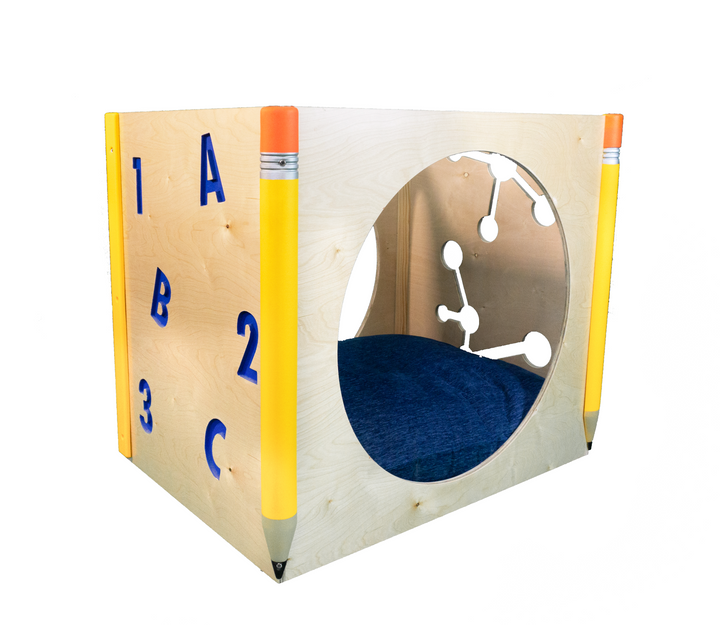
Occupational Therapy (OT) for children is a specialized field that focuses on helping young patients develop essential life skills. Pediatric occupational therapists play a vital role in assisting children who face challenges in their daily activities due to developmental, physical, or cognitive disabilities. To effectively support these children, therapists rely on a variety of specialized equipment designed to meet the unique needs of pediatric patients. Understanding the must-have tools and equipment can significantly enhance therapy outcomes and support effective treatment plans.
Essential Equipment for Pediatric Occupational Therapy
Sensory Integration Tools
Sensory integration is a crucial aspect of pediatric occupational therapy. Children with sensory processing issues often require specialized tools to help them process and respond to sensory stimuli effectively. Essential sensory integration tools include:
- Weighted Vests and Blankets: These provide deep pressure input, helping to calm and focus children.
- Sensory Swings: Useful for vestibular stimulation, aiding balance and spatial orientation.
- Therapy Balls and Cushions: These provide proprioceptive feedback and improve core strength.
Discover expert strategies here to enhance sensory integration techniques.
Fine Motor Skill Development Equipment
Developing fine motor skills is crucial for children’s independence in daily activities such as writing, dressing, and feeding. Equipment that supports fine motor skill development includes:
- Theraputty and Hand Exercisers: These help strengthen hand muscles and improve dexterity.
- Adaptive Grips and Writing Aids: Tools that assist children in holding pencils and other writing instruments properly.
- Lacing Boards and Bead Stringing Kits: These are excellent for improving hand-eye coordination and fine motor control.
Learn about tailored solutions for fine motor skill enhancement here.
Gross Motor Skill Equipment
Gross motor skills involve the movement and coordination of large muscles. Equipment designed to improve these skills includes:
- Balance Beams and Stepping Stones: These tools improve balance and coordination.
- Obstacle Courses: Customize these courses to challenge and develop various motor skills.
- Trampolines and Jumping Mats: Great for enhancing coordination and providing cardiovascular benefits.
Explore advanced guides and tips for gross motor skill development here.
Adaptive Equipment for Daily Living
Adaptive equipment is essential in helping children achieve greater independence in their daily lives. Such equipment includes:
- Adaptive Utensils and Cups: Designed to assist children with feeding and drinking.
- Dressing Aids: Tools such as button hooks and zipper pulls make dressing easier for children with fine motor challenges.
- Bathing and Toileting Aids: Adaptive seats and grips ensure safety and independence.
Find out more about this approach to adaptive equipment here.
Conclusion
Equipping pediatric occupational therapists with the right tools is essential for facilitating effective therapy sessions and promoting the development of critical life skills in children. From sensory integration tools to adaptive daily living equipment, each piece of equipment plays a significant role in addressing the diverse needs of pediatric patients. By staying informed about the latest advancements and strategies in pediatric occupational therapy, therapists can continue to provide exceptional care and support to the children they serve. For more in-depth information, consider exploring expert resources here.