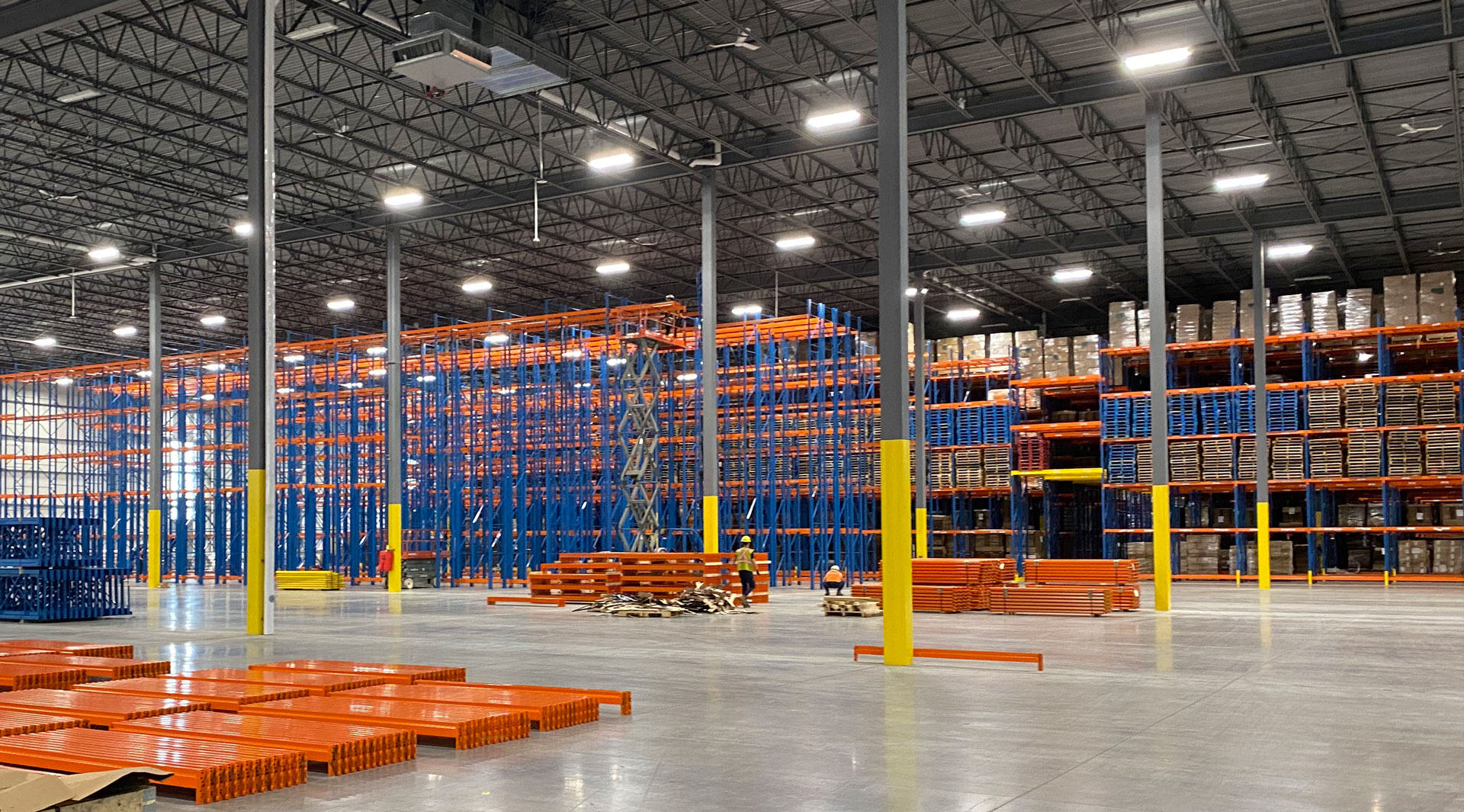
In today’s fast-paced logistics and supply chain environment, optimizing warehouse space is a critical component of operational efficiency. Warehouse pallet racking systems are integral to maximizing storage space, improving inventory management, and ensuring safe and accessible storage. This guide delves into the various types of pallet racking systems, their benefits, and best practices for maximizing warehouse efficiency. By understanding the nuances of these systems, businesses can make informed decisions that contribute to streamlined operations and cost savings.
Types of Warehouse Pallet Racking Systems
The choice of pallet racking system can significantly impact the functionality and efficiency of a warehouse. Each system has its unique features and benefits. Understanding these can help in selecting the most suitable option for specific warehousing needs. Some common types include:
- Selective Racking: This is the most common racking system, offering direct access to each pallet. It is cost-effective and ideal for warehouses with a wide variety of products.
- Drive-In/Drive-Through Racking: Designed for high-density storage, this system allows forklifts to drive directly into the rack’s lanes. It is best suited for storing large quantities of similar products.
- Push Back Racking: This system uses a series of nested carts that move along inclined rails. It is perfect for high-density storage with easy access to multiple SKU levels.
- Pallet Flow Racking: Utilizing a first-in, first-out (FIFO) inventory system, pallets move along rollers from the back to the front of the rack. It is ideal for fast-moving inventory.
Benefits of Efficient Pallet Racking Systems
Implementing an efficient pallet racking system can yield numerous advantages, enhancing both operational output and cost management. Here are key benefits:
- Space Optimization: Efficient racking systems maximize vertical storage space, reducing the need for additional warehouse expansion.
- Improved Inventory Management: Streamlined systems facilitate easier inventory tracking and management, contributing to reduced overhead costs.
- Enhanced Safety: Proper racking minimizes the risk of accidents, safeguarding both employees and goods.
- Increased Productivity: By optimizing storage and retrieval processes, these systems enable quicker order fulfillment.
Best Practices for Maximizing Efficiency
Strategic Planning and Design
A well-thought-out design tailored to the specific needs of the warehouse is paramount. Considerations should include the type of goods stored, the frequency of access, and the layout of the warehouse space. Discover expert strategies here to enhance your warehouse setup.
Regular Maintenance and Inspection
Regular maintenance and inspection of racking systems are essential to ensure long-term efficiency and safety. Establish a routine check-up schedule to identify and rectify any potential issues before they escalate. Learn about our tailored solutions for maintaining robust warehouse operations.
Employee Training
Proper training for warehouse staff on handling and operating within the racking system is crucial. This not only ensures safety but also optimizes the efficiency of the system. Training should cover equipment operation, safety protocols, and emergency procedures. Explore advanced guides and tips on warehouse management and staff training.
Leveraging Technology
Integrating technology such as warehouse management systems (WMS) and automated storage and retrieval systems (AS/RS) can further boost efficiency. These technologies enhance inventory accuracy and reduce human error. Find out more about this approach to modernize your warehouse operations.
Conclusion
Choosing and implementing the right warehouse pallet racking system is a strategic decision that can significantly enhance storage efficiency, inventory management, and overall productivity. By understanding the different types of racking systems, their benefits, and best practices, businesses can optimize their warehouse operations and stay competitive in the ever-evolving supply chain landscape.