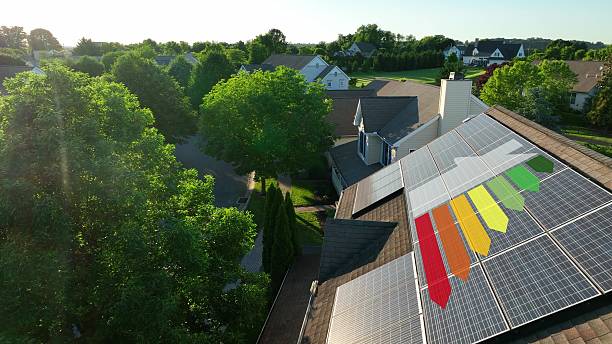
In today’s fast-paced world, energy efficiency is no longer just a buzzword?it’s a necessity. With rising energy costs and increasing environmental concerns, businesses and homeowners alike are looking for ways to minimize their energy consumption while maintaining comfort and productivity. This is where energy assessments come into play, offering a valuable tool for identifying inefficiencies and recommending improvements. Implementing these assessments can lead to significant cost savings and a reduced carbon footprint, making them an essential component of any energy management strategy.
The Role of Energy Assessments
Energy assessments play a crucial role in identifying areas where energy is wasted and provide recommendations for enhancing efficiency. These assessments involve a comprehensive review of a building?s energy use, including heating, cooling, lighting, and appliances.
Key Benefits of Conducting Energy Assessments
- Cost Savings: By identifying areas of energy waste, assessments help in reducing unnecessary energy consumption, leading to lower utility bills.
- Enhanced Comfort: Optimizing energy use can improve indoor comfort levels, ensuring a pleasant environment for occupants.
- Environmental Impact: Reducing energy consumption contributes to a lower carbon footprint, supporting sustainability goals.
- Regulatory Compliance: Energy assessments aid in ensuring energy compliance with local and national regulations.
Types of Energy Assessments
There are various types of energy assessments available, each suited to different needs and objectives. Selecting the right type depends largely on the specific requirements of the building or organization.
Residential Energy Assessments
These assessments focus on identifying energy-saving opportunities within homes. They typically include checks on insulation, windows, heating systems, and appliances to ensure optimal energy use.
Commercial Energy Assessments
Conducted by commercial energy assessors, these assessments are designed for businesses and other large facilities. They often involve a more detailed analysis due to the complexity and scale of commercial buildings.
The Process of Energy Assessments
The process of conducting an energy assessment involves several key steps, each critical to achieving a comprehensive understanding of energy use within a facility.
- Initial Consultation: The process begins with an initial consultation to understand the specific needs and goals of the client.
- Data Collection: Energy data is gathered, including utility bills, equipment specifications, and operational patterns.
- On-site Inspection: A thorough inspection of the building is conducted to observe energy use patterns and identify inefficiencies.
- Analysis and Reporting: The data collected is analyzed to produce a detailed report outlining findings and recommendations.
- Implementation: Recommendations from the report are implemented to improve energy efficiency.
Choosing the Right Energy Consulting Firm
Selecting an experienced and reputable energy consulting firm is vital to the success of an energy assessment. Key factors to consider include:
- Expertise: Look for firms with a proven track record and specialized knowledge in energy management.
- Comprehensive Services: Ensure the firm offers a full range of services, from assessments to implementation support.
- Client Testimonials: Review feedback from previous clients to gauge satisfaction and reliability.
In conclusion, energy assessments are an indispensable tool for maximizing energy efficiency, reducing costs, and minimizing environmental impact. Whether for a residential property or a commercial establishment, engaging with experienced energy assessors can provide significant benefits and pave the way for a more sustainable future.