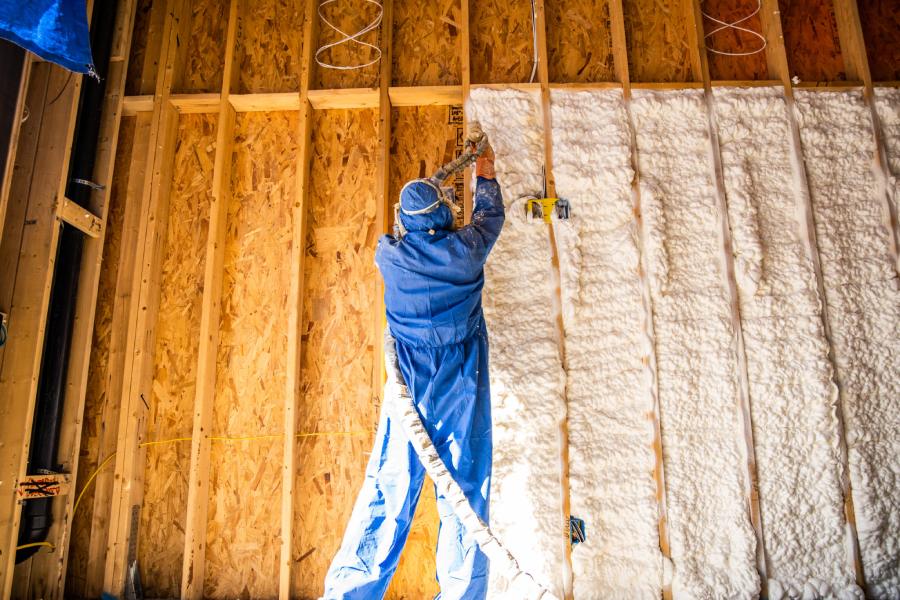
In the quest for enhancing energy efficiency, spray foam insulation has emerged as a prevailing choice among homeowners and builders alike. This insulation solution is renowned for its ability to create a seamless barrier that significantly reduces energy loss, thereby leading to cost savings and improved comfort. Understanding the benefits and applications of spray foam insulation can help in making informed decisions for residential and commercial properties.
Understanding Spray Foam Insulation
Spray foam insulation is a versatile material that expands upon application, filling gaps and sealing air leaks effectively. It’s composed of two chemicals: isocyanate and polyol resin, which react when mixed together, expanding up to 60 times their liquid volume. This unique property makes spray foam an excellent insulator, providing an airtight seal in hard-to-reach areas.
Types of Spray Foam Insulation
- Open-cell Foam: This type is less dense, providing a softer texture. It’s effective for soundproofing and is often used in interior applications.
- Closed-cell Foam: Denser and more rigid, closed-cell foam offers superior insulation and moisture resistance, making it ideal for external applications.
Benefits of Spray Foam Insulation
Opting for spray foam insulation offers multiple advantages that contribute to both energy efficiency and structural integrity. Here are some key benefits:
- Enhanced Energy Efficiency: With its excellent sealing properties, spray foam significantly reduces air leaks, thus improving overall energy efficiency.
- Improved Indoor Air Quality: By preventing outdoor pollutants, allergens, and moisture from entering the building, it contributes to a healthier indoor environment.
- Structural Strength: Closed-cell spray foam adds strength to walls and roofs, enhancing the structural integrity of the building.
- Moisture Barrier: It prevents moisture accumulation, reducing the risk of mold and mildew growth.
- Long-term Savings: Although the initial cost may be higher, the reduction in energy bills over time makes spray foam insulation a cost-effective solution.
Applications of Spray Foam Insulation
Spray foam insulation is versatile and can be applied in various areas of a building to optimize energy savings and comfort. Here are some common applications:
- Attics and Roofs: Applying spray foam in attics and roofs helps in preventing heat loss and reduces the load on HVAC systems.
- Walls: It is ideal for insulating walls, providing an air seal to keep conditioned air in and unconditioned air out.
- Basements and Crawl Spaces: Sealing these areas with spray foam helps in reducing moisture intrusion and potential mold issues.
- New Construction and Renovations: Whether for new builds or retrofitting older structures, spray foam offers flexibility and efficiency in various construction projects.
Considerations for Installation
Before opting for spray foam insulation, certain considerations should be taken into account:
- Professional Installation: It is recommended to have spray foam insulation installed by professionals to ensure safety and optimal results.
- Building Codes and Regulations: Ensure compliance with local building codes and regulations to avoid any legal issues.
- Cost Analysis: Evaluate the long-term savings versus the upfront cost to determine the most cost-effective solution for the specific building needs.
For those looking to enhance their building’s energy efficiency, spray foam insulation presents a reliable and potent solution. Its ability to provide airtight sealing and additional structural benefits makes it a valuable investment in the long run.