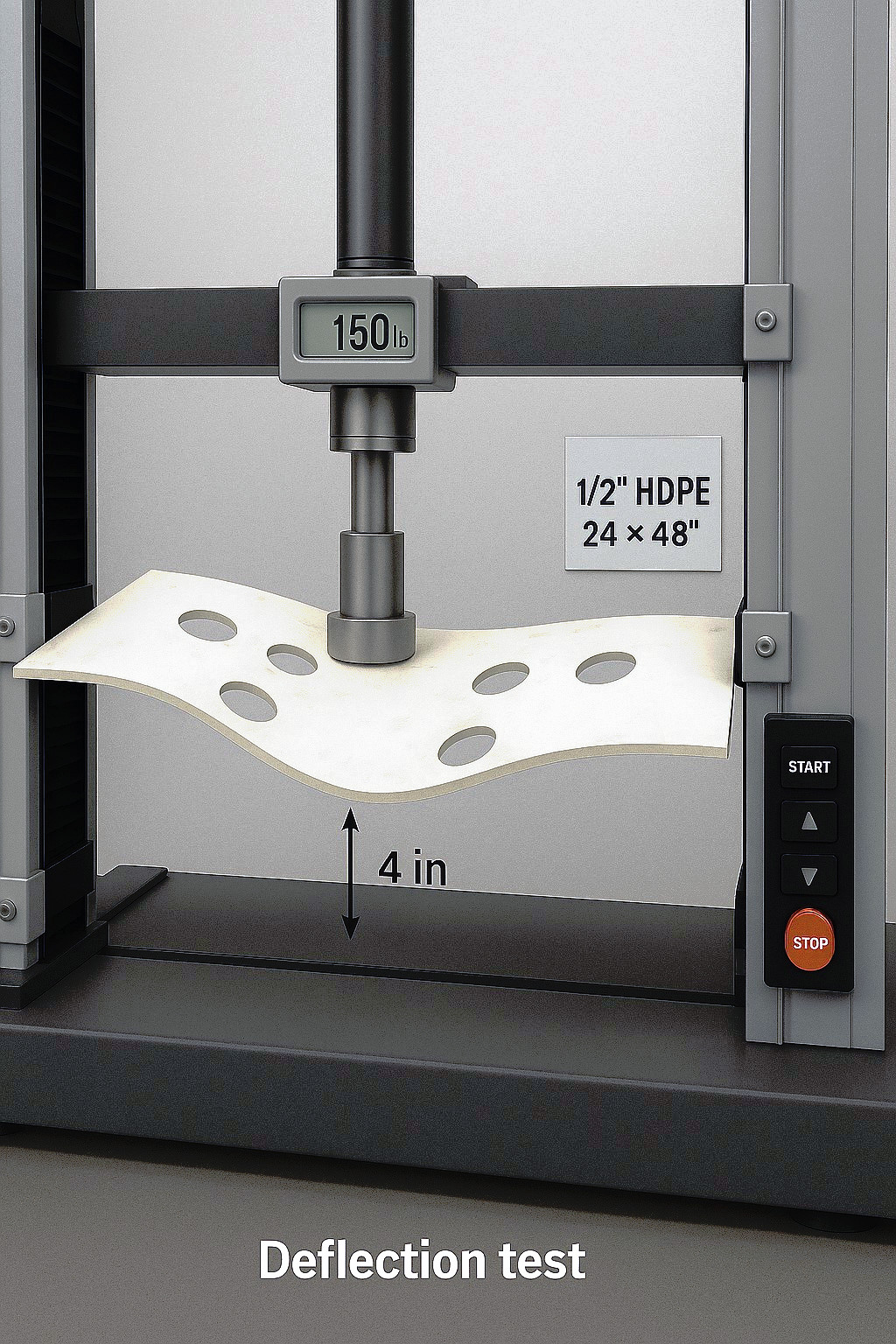
The construction industry is constantly evolving, with a growing emphasis on sustainability and efficiency. One innovative solution gaining traction is the use of lightweight duct boards. These materials not only enhance the performance of building systems but also contribute significantly to environmental conservation. By opting for lightweight duct boards, construction projects can achieve a balance between functionality and eco-friendliness, aligning with modern sustainable practices.
The Benefits of Lightweight Duct Boards
Lightweight duct boards offer several advantages that make them a preferred choice for contemporary construction projects. Here are some of the key benefits:
- Environmental Impact: These boards are typically made from materials that have a lower carbon footprint compared to traditional options. They utilize recyclable components, which helps reduce waste.
- Energy Efficiency: Due to their excellent insulation properties, lightweight duct boards help in minimizing energy loss, leading to reduced heating and cooling costs.
- Installation Convenience: Their lightweight nature makes them easier and quicker to install, which can significantly cut down labor costs and time on site.
- Enhanced Durability: Despite being lightweight, these boards are designed to withstand various environmental factors, ensuring longevity and reliability.
Applications in Modern Construction
Lightweight duct boards are versatile and can be used across a range of applications in modern construction. Their adaptability makes them suitable for various projects, from residential to commercial buildings. Here are some applications:
- HVAC Systems: They are commonly used in heating, ventilation, and air conditioning systems to enhance efficiency and performance.
- Acoustic Insulation: These boards can also be used to improve sound insulation in buildings, creating quieter and more comfortable indoor environments.
- Roofing and Cladding: Due to their lightweight and durable nature, they are ideal for roofing and cladding applications.
To explore advanced guides and tips on effective usage of duct boards in construction, discover expert strategies here.
Challenges and Considerations
While the benefits of lightweight duct boards are numerous, there are challenges and considerations to keep in mind:
- Cost Implications: Although they offer long-term savings, the initial cost can be higher compared to traditional materials.
- Specific Installation Requirements: Proper training and expertise are required to ensure correct installation and maximize benefits.
For those seeking tailored solutions that address these challenges, learn about our tailored solutions.
Future Prospects and Innovations
The future of lightweight duct boards looks promising, with ongoing research and development aimed at enhancing their properties and applications. Innovations are focused on:
- Improved Material Composition: Development of more eco-friendly materials that further reduce environmental impact.
- Enhanced Performance Features: Innovations aimed at boosting their insulation and acoustic properties.
For more information on these advancements and how they can be implemented in construction projects, find out more about this approach.
Conclusion
Lightweight duct boards represent a forward-thinking approach to construction, marrying sustainability with efficiency. As the industry continues to evolve, these materials are set to play a pivotal role in shaping the future of building practices. By adopting such solutions, stakeholders can not only improve project outcomes but also contribute to a more sustainable future. To explore the full potential of these materials, explore advanced guides and tips.