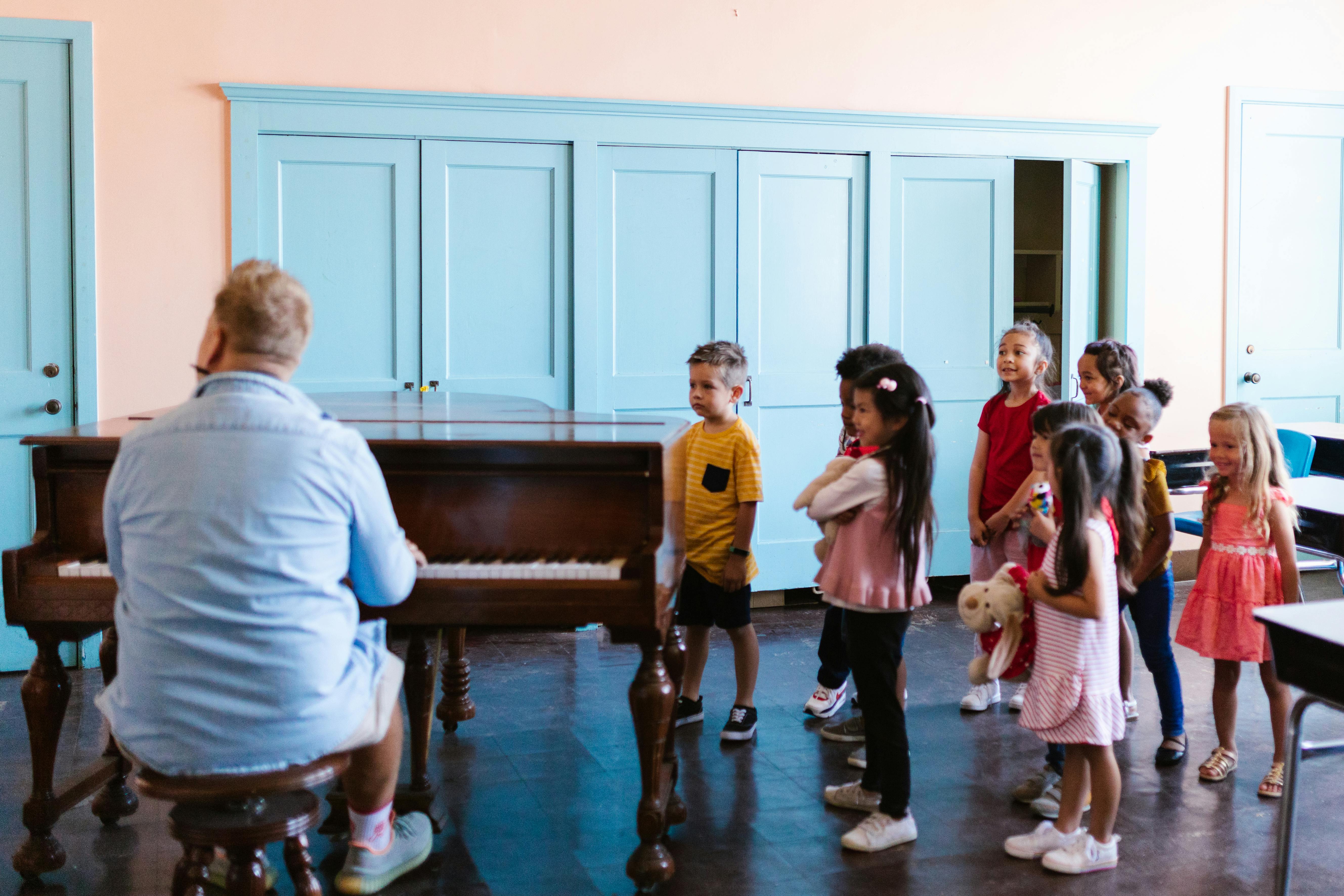
Introducing children to music at an early age can have profound effects on their overall development. Music education, particularly through instruments such as the piano, offers a multitude of cognitive, emotional, and social benefits. Kids piano classes provide a structured environment where young learners can explore their musical interests while developing essential skills that foster growth in various aspects of their lives. This article delves into the importance of early music education, the benefits of piano classes for children, and how to select the right program for young musicians.
Why Early Music Education Matters
The formative years of a child’s life are crucial for brain development. Music education can play a significant role in enhancing this process. Research has shown that learning to play an instrument can:
- Boost cognitive abilities, including memory, attention, and problem-solving skills.
- Enhance emotional intelligence by fostering self-expression and emotional understanding.
- Improve social skills through collaborative learning experiences.
Music education, particularly through piano classes, provides children with a platform to cultivate these skills. For more insights into the impact of music education, discover expert strategies here.
The Benefits of Piano Classes for Kids
Piano classes offer specific advantages that make them an excellent choice for young learners. These benefits include:
- Foundation in Music Theory: Piano lessons introduce children to the basics of music theory, helping them understand musical notation, rhythm, and harmony.
- Hand-Eye Coordination: Playing the piano improves dexterity and coordination, as children learn to read music while simultaneously executing complex finger movements.
- Discipline and Patience: Regular practice encourages discipline and patience, as students work towards mastering pieces over time.
- Confidence Building: Performing in front of others, whether in recitals or informal settings, helps boost self-esteem and confidence.
For more detailed information on how piano classes can benefit your child, explore advanced guides and tips.
Choosing the Right Piano Class for Your Child
Consider the Teaching Method
Different piano classes may employ various teaching methods. Some popular approaches include the Suzuki method, which emphasizes listening and repetition, and traditional methods focusing on music reading and theory. Understanding these differences can help in selecting a class that aligns with your child’s learning style. Find out more about this approach to make an informed choice.
Look for Qualified Instructors
The instructor’s qualifications and experience are critical when choosing a piano class. A good instructor should have a strong background in music education and a proven track record of working with children. They should be patient, encouraging, and able to adapt their teaching style to meet individual student needs. Learn about our tailored solutions for piano education here.
Conclusion
Introducing children to music through piano classes not only nurtures their musical abilities but also contributes to their overall development. The cognitive, emotional, and social benefits are immense, making it a worthwhile investment in a child’s future. When selecting a piano class, consider the teaching method, the instructor’s qualifications, and the learning environment to ensure it meets your child’s needs and interests. By doing so, you help lay a strong foundation for their lifelong appreciation and engagement with music.