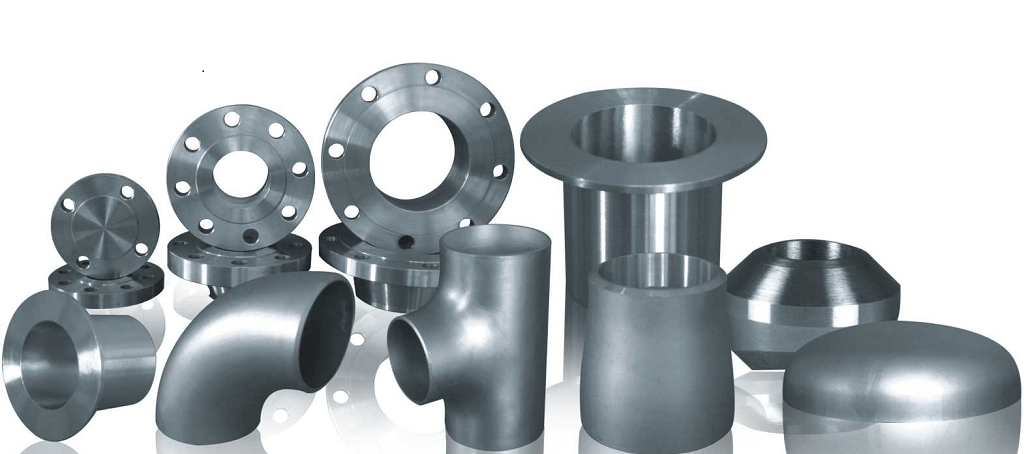
Ensuring a strong and secure steel pipe joint connection is crucial in various industry applications, from construction to plumbing. Steel pipes are known for their durability, but their effectiveness can significantly diminish if the joint connections are weak or improperly installed. Understanding the essential components and techniques for achieving high-quality connections can prevent costly repairs and potential safety hazards. This article outlines the key considerations and best practices for creating robust steel pipe joints.
Understanding Steel Pipe Joint Types
Steel pipe joints come in various types, each suited to different applications and requirements. The following are the most common types of steel pipe joints:
- Butt Weld Joints: These are created by welding the ends of two pipes together. They provide a permanent, strong connection and are commonly used in high-pressure applications.
- Socket Weld Joints: In this type, one pipe fits into the recessed area of another pipe or fitting. Socket weld joints are ideal for small pipe diameters and offer good leakage protection.
- Flanged Joints: Flanged joints involve joining two pipes by bolting flanges together. They are often used where disassembly is necessary for maintenance.
- Threaded Joints: These joints use threads cut into the pipe ends to connect pipes. They are suitable for low-pressure applications and provide easy disassembly.
Key Considerations for a Secure Connection
To ensure a secure and effective steel pipe joint, several factors need to be considered. These include the quality of materials, the expertise of the installation team, and adherence to industrial standards.
Material Quality
High-quality materials are the foundation of a strong joint. Ensure that the steel pipes and fittings used are manufactured to meet industry standards. Using inferior materials can lead to premature failure and safety issues.
Proper Alignment
Correct alignment is critical in preventing leaks and ensuring structural integrity. Misaligned joints can lead to uneven stress distribution and eventual failure. Employ proper alignment tools and techniques during installation.
Appropriate Sealing Methods
Sealing methods are essential for preventing leaks at the joints. Depending on the joint type, different sealing techniques such as welding, threading, or gasket use may be appropriate. Each method has its own advantages and should be chosen based on the specific application needs.
Best Practices for Installation
Adhering to best practices during the installation process is vital. The following guidelines can help maintain the integrity of steel pipe joints:
- Pre-Installation Inspection: Conduct thorough inspections of all components prior to installation to ensure there are no defects or damage.
- Use of Proper Tools: Utilize the right tools and equipment for each type of joint to avoid damage and ensure a precise fit.
- Follow Manufacturer Guidelines: Follow all manufacturer instructions and guidelines to ensure compatibility and optimal performance.
- Regular Maintenance: Implement a regular maintenance schedule to inspect and maintain joint integrity over time.
Addressing Common Challenges
Despite best efforts, challenges can arise during the installation and maintenance of steel pipe joints. Understanding these challenges can help mitigate risks.
Corrosion Prevention
Corrosion is a common issue that can weaken joints over time. Regular application of anti-corrosive coatings and use of corrosion-resistant materials can help prolong the life of the joints.
Temperature Fluctuations
Extreme temperature changes can impact the structural integrity of steel pipe joints. Designing systems that accommodate thermal expansion and contraction can prevent stress and potential failures.
Conclusion
Ensuring strong and secure steel pipe joint connections is a multifaceted process that involves choosing the right joint type, materials, and installation techniques. By understanding the principles and practices outlined in this article, professionals can effectively address the challenges associated with steel pipe joints and maintain the reliability and safety of their systems. For further guidance on selecting the appropriate steel pipe joint for your needs, consulting industry experts and resources is recommended.