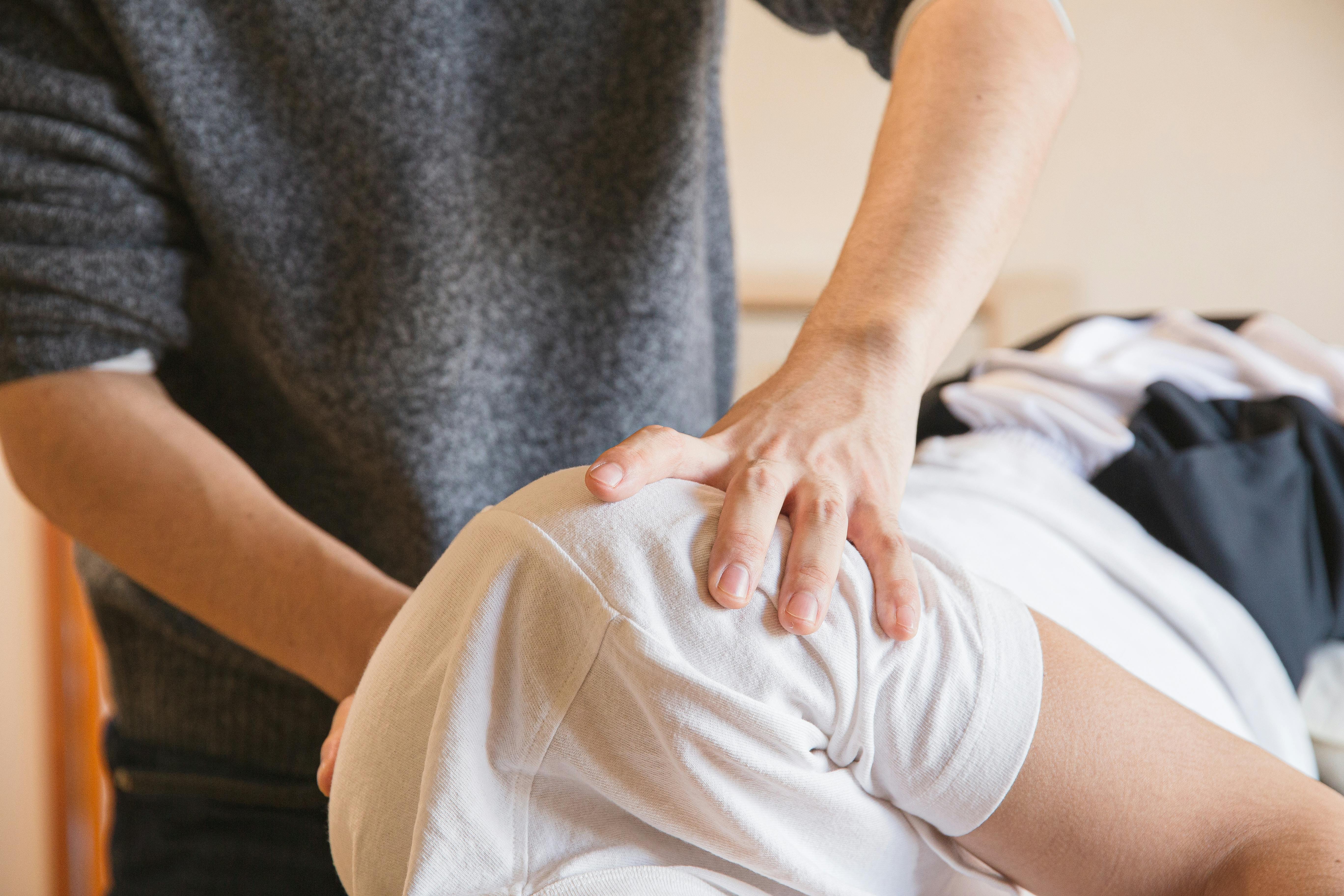
Sports injuries can be a significant setback for athletes of all levels, from weekend warriors to professional players. The path to recovery requires a strategic approach that emphasizes proper rehabilitation techniques. Rehabilitating from an injury not only involves physical recovery but also mental resilience and patience. Understanding the intricacies of injury rehabilitation can empower athletes to return to their sports with renewed strength and prevent future injuries. This article provides insight into effective rehabilitation strategies, offering guidance for a safe and efficient return to activity.
Understanding Sports Injuries
Sports injuries can range from minor sprains to more severe fractures or tears. Common types of injuries include:
- Sprains and strains
- Fractures
- Dislocations
- Tendon injuries
- Joint injuries
Each of these injuries requires a specific rehabilitation approach tailored to the individual’s needs and the nature of the injury. Discover expert strategies here.
The Importance of a Structured Rehabilitation Plan
A structured rehabilitation plan is crucial for effective recovery. It typically includes several phases, each designed to promote healing and restore function. Key components of a successful rehabilitation plan include:
- Initial Rest and Recovery: Allowing time for the injury to heal naturally while minimizing further damage.
- Progressive Physical Therapy: Engaging in tailored exercises to improve flexibility, strength, and range of motion.
- Functional Training: Reintroducing sport-specific movements to prepare the body for returning to activity.
- Psychological Support: Addressing the mental aspect of recovery to build confidence and motivation.
Learn about our tailored solutions for comprehensive rehabilitation plans that address both physical and mental recovery.
Role of Professional Guidance
Professional guidance plays a pivotal role in sports injury rehabilitation. Working with experts such as physiotherapists and sports medicine specialists ensures a personalized approach to recovery. Benefits of professional guidance include:
- Expert assessment and diagnosis of the injury
- Customized rehabilitation programs
- Continuous evaluation and modification of recovery plans
- Access to advanced treatment techniques and tools
Explore advanced guides and tips to see how professionals can aid in a more efficient recovery process.
Preventing Future Injuries
Prevention is a critical aspect of sports injury management. Implementing preventive measures can significantly reduce the risk of future injuries. Strategies include:
- Incorporating regular strength and conditioning exercises
- Ensuring proper warm-up and cool-down routines
- Using appropriate equipment and protective gear
- Maintaining a balanced diet to support overall health
Find out more about this approach to prevent injuries and sustain peak performance.
Conclusion
Recovering from a sports injury is a journey that requires dedication, knowledge, and the right support. By understanding the nature of sports injuries, adopting a structured rehabilitation plan, and seeking professional guidance, athletes can effectively return to their sports. Additionally, focusing on injury prevention strategies ensures long-term athletic success and well-being. Staying informed and proactive is key to getting back in the game stronger and more resilient.