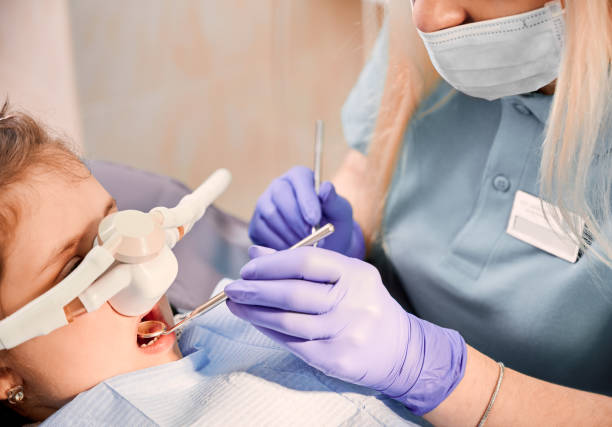
For many individuals, dental visits can provoke significant anxiety. The fear of discomfort or complex procedures often deters people from seeking necessary dental care. However, advancements in dental practices have introduced a more comfortable approach to oral health maintenance: sleep dentistry. This innovative field allows patients to receive essential dental care without experiencing the stress and fear commonly associated with dental visits.
Understanding Sleep Dentistry
Sleep dentistry, also known as sedation dentistry, involves the use of medication to help patients relax during dental procedures. While sometimes referred to as “sleep” dentistry, most patients remain awake but are in a deeply relaxed state. This approach is especially beneficial for individuals with dental phobia, a low pain threshold, or those undergoing extensive treatments.
Benefits of Sleep Dentistry
- Minimized anxiety and stress during procedures.
- Increased comfort and reduced gag reflex.
- Ability to perform multiple procedures in a single visit.
- Enhanced patient cooperation, especially in children and those with special needs.
Finding Professional Sleep Dentistry Near You
When searching for sleep dentistry near me, it is crucial to consider several factors to ensure you receive the highest standard of care. Professional expertise, patient reviews, and the range of sedation options are key elements to evaluate.
What to Look for in a Sleep Dentistry Practice
- Accreditation and Certification: Ensure that the dental practice is accredited and that the dentists are certified in sedation dentistry.
- Comprehensive Consultations: A reliable practice will offer detailed consultations to discuss your needs and any concerns.
- Variety of Sedation Options: Look for practices that offer a range of sedation techniques to cater to different levels of anxiety.
- Positive Patient Feedback: Reviews and testimonials can provide insights into the experiences of past patients.
Choosing the Right Type of Sedation
There are various types of sedation used in dental practices, each suited for different levels of anxiety and types of procedures. Understanding these options can help you make an informed decision about your dental care.
Types of Sedation in Dentistry
- Minimal Sedation: Patients are awake but relaxed, often achieved through inhalation or oral medications.
- Moderate Sedation: Also known as “conscious sedation,” it involves a deeper level of relaxation, and patients may not remember much of the procedure.
- Deep Sedation: Patients are on the edge of consciousness but can still be awakened if necessary.
- General Anesthesia: Patients are completely unconscious, typically used for more extensive procedures.
To find the most suitable option, consult a professional offering sedation dentistry near me.
Preparing for a Sleep Dentistry Appointment
Proper preparation can significantly enhance the effectiveness and safety of sedation dentistry. Here are some tips to prepare for your appointment:
- Consultation: Discuss your medical history and any medications you are taking with your dentist.
- Pre-Appointment Instructions: Follow any dietary or medication guidelines provided by your dentist.
- Transportation: Arrange for someone to drive you home post-procedure, as the effects of sedation can linger.
- Post-Procedure Care: Understand the aftercare instructions to ensure a smooth recovery.
Sleep dentistry provides a pathway to stress-free dental care, making it a valuable option for those who have previously avoided the dentist due to anxiety. By understanding the benefits and options available, finding a qualified professional, and preparing for the appointment, patients can achieve optimal oral health without fear.