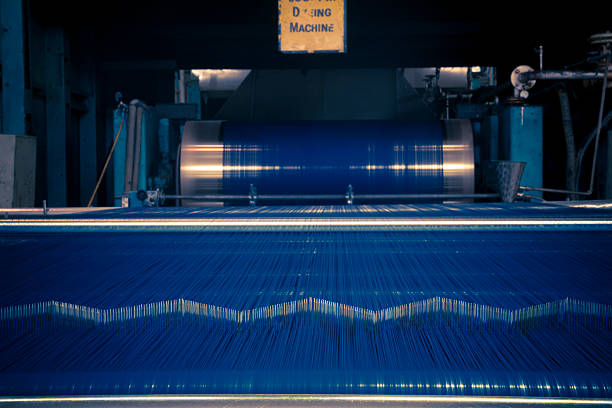
In the realm of industrial material handling, fabric belt conveyors have emerged as pivotal components, renowned for their efficiency and versatility. These conveyors are essential in various industries, including manufacturing, packaging, and logistics, where they facilitate seamless movement of goods across different stages of production and distribution. The demand for high-quality conveyor systems underscores the need for understanding the various options available, particularly those that are most effective for specific industrial needs.
Understanding Fabric Belt Conveyors
Fabric belt conveyors are designed to transport materials efficiently and safely across various surfaces and distances. These belts are constructed using multiple layers of fabric, which provide strength and durability. The layers are typically embedded with rubber or other materials to enhance their performance under different conditions.
Key Features
- Flexibility: Fabric belt conveyors can be tailored to fit a wide range of applications, from light to heavy-duty loads.
- Durability: The layers of fabric and rubber provide resistance to wear and tear, making these conveyors suitable for harsh environments.
- Versatility: They can handle diverse materials, including loose items, packaged goods, and even bulky products.
Types of Fabric Belt Conveyors
Choosing the right type of fabric belt conveyor depends on the specific requirements of the industry and the materials being transported. Here are some of the most popular types:
Polyester Conveyor Belts
The polyester conveyor belt is known for its excellent tensile strength and resistance to abrasion. These characteristics make it ideal for industries where durability and a long lifespan are critical. Polyester belts are also resistant to moisture and chemicals, which further enhances their applicability in various environments.
Nylon Fabric Conveyor Belts
Nylon fabric conveyor belts offer superior flexibility and shock resistance. These belts are preferred for applications that demand high-speed operation and minimal downtime. The nylon fabric is also lightweight, which reduces energy consumption and operational costs.
Nylon Mesh Conveyor Belts
The nylon mesh conveyor belt is engineered for applications that require ventilation and drainage. This type of belt is perfect for industries like food processing, where hygiene and easy cleaning are essential. The mesh design allows for air circulation and fluid drainage, which are crucial for maintaining product quality.
Benefits of Using Fabric Belt Conveyors
Fabric belt conveyors bring several advantages to industrial material handling:
- Efficiency: They ensure a continuous flow of materials, reducing manual handling and associated risks.
- Cost-effectiveness: With their long lifespan and minimal maintenance requirements, fabric belt conveyors offer a high return on investment.
- Environmental Compliance: Many fabric belts are designed to meet environmental standards, contributing to sustainable operations.
Choosing the Right Fabric Belt Conveyor
When selecting a fabric belt conveyor, it is crucial to consider the specific needs of the operation. Factors such as the type of materials being transported, environmental conditions, and desired throughput should guide the decision-making process. Consulting with experts and reviewing industry standards can help in making an informed choice.
In conclusion, fabric belt conveyors are indispensable in the landscape of industrial material handling. Their ability to adapt to a variety of applications, coupled with their robust construction, makes them a top choice for businesses aiming to optimize their operations. By understanding the different types and their respective benefits, businesses can select the most appropriate conveyor system, enhancing productivity and operational efficiency.