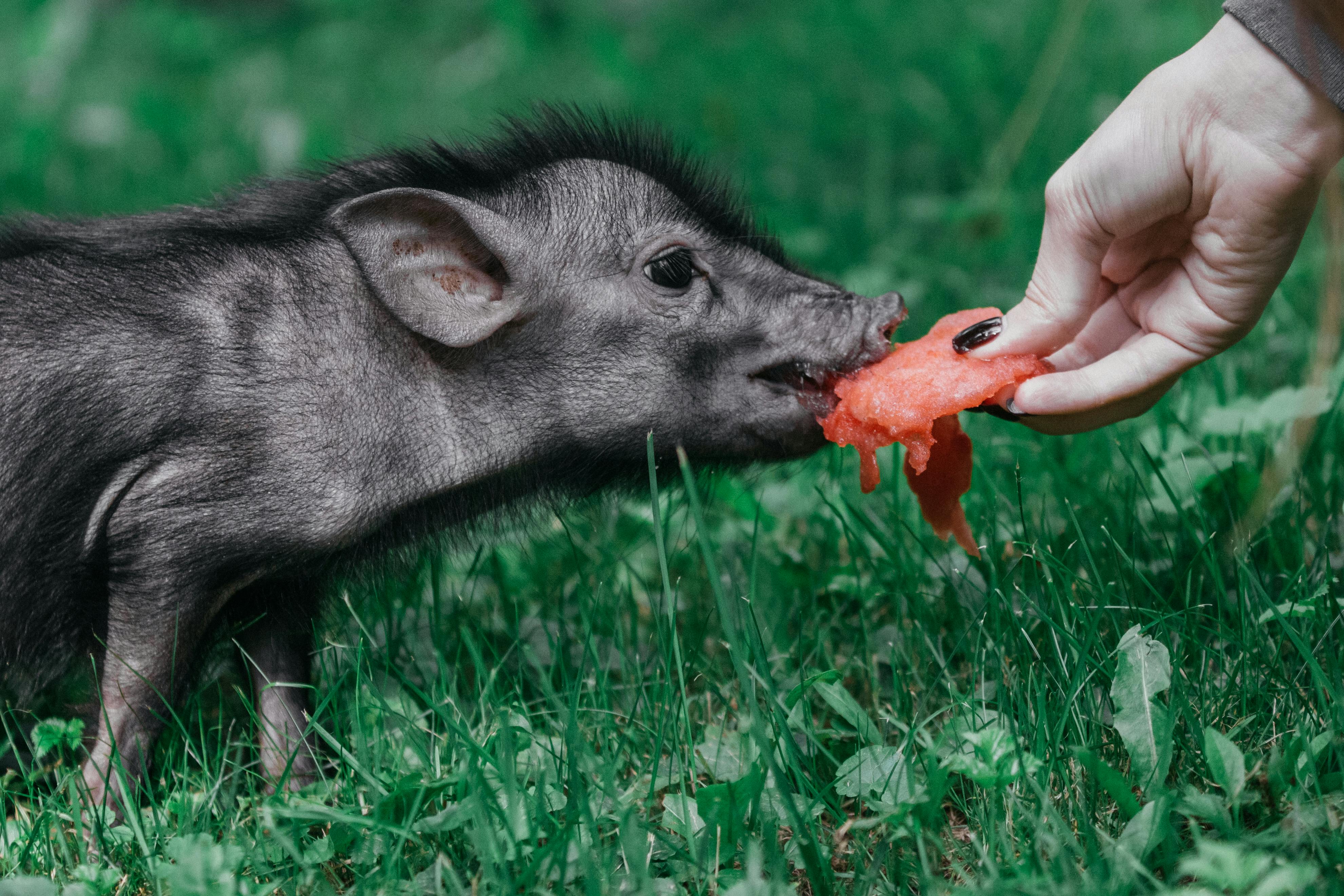
Enhancing Swine Diets with Feed Additives
In the constantly evolving field of animal nutrition, enhancing swine diets with feed additives is a crucial strategy to improve growth performance, health, and overall pig productivity. With the increasing demand for pork, optimizing feed formulations has become paramount to meet both economic and consumer expectations.
The Role of Feed Additives in Swine Nutrition
Feed additives play a significant role in boosting the efficiency and effectiveness of pig diets. They are not just supplementary; they are essential elements that contribute to the holistic development of swine. These additives often include:
- Enzymes: Improve digestion and nutrient absorption.
- Probiotics and Prebiotics: Enhance gut health and immunity.
- Vitamins and Minerals: Support metabolic and physiological functions.
- Flavor Enhancers: Increase feed intake.
- Antimicrobials: Prevent disease and promote growth.
To delve deeper into how each of these components can be utilized effectively, explore advanced guides and tips.
Benefits of Incorporating Feed Additives
Improved Growth Performance
One of the primary objectives of using feed additives is to enhance the growth performance of pigs. By optimizing nutrient delivery and absorption, these additives help in achieving enhanced weight gain and improved feed conversion ratios. For detailed strategies on achieving optimal growth, discover expert strategies here.
Enhanced Health and Immunity
Feed additives can significantly bolster the immune systems of pigs, making them more resilient to diseases. This is particularly important in reducing the reliance on antibiotics, a growing concern in sustainable farming practices. By supporting gut health through probiotics and prebiotics, swine are better equipped to fend off infections naturally.
Considerations for Choosing Feed Additives
While the benefits of feed additives are immense, selecting the appropriate type and quantity is crucial. Factors to consider include:
- Age and Growth Stage: Different stages require different nutritional support.
- Quality and Source: Ensuring high-quality additives from reputable sources is vital.
- Cost-effectiveness: Balancing cost with benefits to maximize economic returns.
For those interested in tailored solutions, learn about our tailored solutions to fit specific needs and conditions.
Future Trends in Swine Nutrition
The future of swine nutrition lies in the innovative use of feed additives. With advances in biotechnology and a deeper understanding of animal physiology, the next generation of additives will likely be more targeted and effective. Anticipated trends include:
- Precision Nutrition: Customizing diets to individual animal needs.
- Sustainability Focus: Additives that reduce environmental impact.
- Natural Alternatives: Increasing use of botanicals and plant-based additives.
For more insights into these emerging trends, find out more about this approach.
Conclusion
Incorporating feed additives into swine diets is not merely a trend but a necessity for modern pig farming. By enhancing growth, improving health, and ensuring sustainability, feed additives prove to be invaluable assets in swine nutrition. As the industry evolves, staying informed and adopting the right additives will be essential to achieving success in pig production.