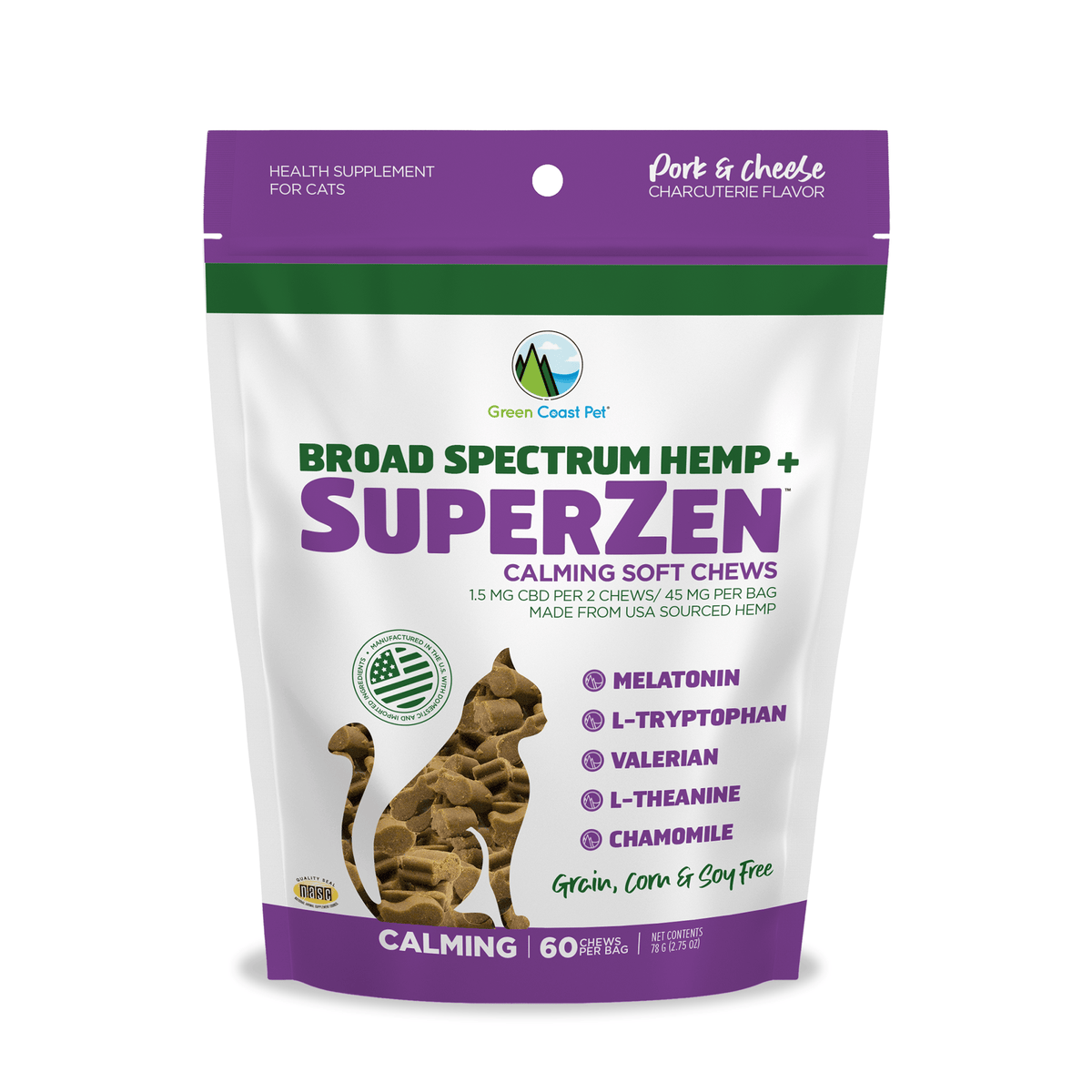
In today’s world, pet owners are increasingly attentive to the well-being and health of their furry companions. With the growing awareness of pet health, many are turning to pet supplements as a means to enhance their pets’ quality of life. These supplements can provide essential nutrients that may be missing from a pet’s diet, help manage specific health issues, and support overall wellness. Understanding the potential benefits and choosing the right supplements can make a significant difference in a pet’s life, leading to improved health and vitality.
The Benefits of Pet Supplements
Pet supplements can offer a multitude of benefits, catering to various aspects of a pet’s health. Here are some key advantages:
- Nutritional Support: Supplements can fill nutritional gaps in a pet’s diet, ensuring they receive all the essential vitamins and minerals needed for optimal health.
- Joint Health: Many supplements are formulated to support joint health, which is particularly beneficial for older pets or those with joint issues. For instance, joint support supplements for dogs are commonly used to alleviate symptoms of arthritis.
- Skin and Coat Health: Omega-3 fatty acids and other nutrients found in supplements can improve skin and coat condition, reducing shedding and promoting a glossy appearance.
- Digestive Health: Probiotics and other digestive aids can enhance gut health, aiding in digestion and reducing gastrointestinal issues.
- Immune System Boost: Supplements containing antioxidants and essential nutrients can strengthen a pet’s immune system, helping them fight off infections and diseases.
Choosing the Right Supplements
With a wide variety of pet supplements available on the market, selecting the right one for a pet can be overwhelming. Here are some tips to guide pet owners in making informed choices:
Consult a Veterinarian
Before introducing any supplements into a pet’s routine, it is crucial to consult with a veterinarian. A professional can provide recommendations based on the pet’s age, breed, health condition, and dietary needs.
Understand the Ingredients
Reading labels and understanding the ingredients in a supplement is essential. Look for high-quality, natural ingredients and avoid products with artificial additives or fillers.
Research the Brand
Not all supplements are created equal. Researching the brand’s reputation, manufacturing practices, and customer reviews can provide insights into the product’s quality and effectiveness.
Monitor for Allergies
When introducing a new supplement, observe the pet for any adverse reactions or allergies. Discontinue use if any negative symptoms occur and consult a veterinarian.
Integrating Supplements into a Pet’s Routine
Introducing supplements into a pet’s daily routine should be done gradually and thoughtfully. Here are some strategies to ensure a smooth transition:
- Start Small: Begin with a small dosage and gradually increase it as the pet adjusts.
- Mix with Food: Many pets might be hesitant to consume supplements on their own. Mixing them with their regular food can make them more palatable.
- Establish a Routine: Consistency is key. Administer supplements at the same time each day to help the pet get accustomed to the new routine.
- Track Progress: Keep a record of any changes in the pet’s health or behavior after starting the supplements. This can help in assessing their effectiveness.
Conclusion
Pet supplements can play a vital role in enhancing the quality of life for pets by addressing specific health concerns and promoting overall well-being. By understanding the benefits, choosing the right products, and integrating them into a pet’s routine effectively, pet owners can take a proactive approach to their companions’ health. For those looking to explore options, a comprehensive selection of best pet supplements is available, catering to various health needs and preferences. Always remember, the key to a happy and healthy pet starts with informed and thoughtful care.