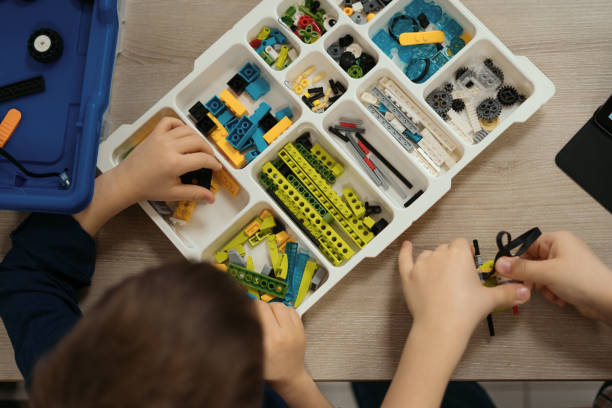
The rapid advancement of technology and science in today’s world makes it essential for education systems to adapt and prepare students for future challenges. One effective way to achieve this is by integrating STEM (Science, Technology, Engineering, and Mathematics) education into the classroom. STEM kits are an innovative tool that can significantly enhance learning experiences, offering hands-on activities that engage students and foster critical thinking. These kits provide educators with the resources needed to create an interactive learning environment that encourages exploration and creativity.
The Role of STEM Kits in Education
STEM kits are designed to provide practical experience, helping students to connect theoretical knowledge with real-world applications. By using a STEM kit for classroom settings, educators can offer a more engaging and immersive learning experience.
Benefits of Using STEM Kits
- Hands-On Learning: STEM kits allow students to engage directly with the material, facilitating better understanding and retention of concepts.
- Problem-Solving Skills: Students develop critical thinking and problem-solving skills as they work through challenges presented by the kits.
- Collaboration: Many stem kits for classrooms are designed for group activities, promoting teamwork and communication among students.
- Inspiration for Innovation: By exploring STEM concepts, students are inspired to innovate and think creatively about solving future problems.
Integrating STEM Kits into Curriculum
Incorporating stem activity kits for classrooms into the curriculum can be seamless with proper planning and execution. Here are some strategies to effectively integrate these kits into educational programs:
- Align with Learning Objectives: Choose kits that align with the classroom’s learning objectives, ensuring that the activities complement the existing curriculum.
- Teacher Training: Provide teachers with adequate training to maximize the effectiveness of the kits. Access to Teacher STEM resources can enhance their ability to guide students.
- Assessment Integration: Develop assessment methods that evaluate students’ understanding of STEM concepts through their interaction with the kits.
Choosing the Right STEM Kits
Selecting the appropriate STEM kit is crucial for achieving the desired educational outcomes. Consider factors such as age-appropriateness, educational value, and ease of use when choosing kits. An Elementary school STEM kit or an Electronics kit for elementary school can offer tailored experiences for younger students, ensuring that the complexity of the activities matches their cognitive abilities.
Popular STEM Kit Types
There is a wide variety of STEM kits available, each focusing on different aspects of STEM education:
- Robotics Kits: These kits teach students about engineering and programming by allowing them to build and control robots.
- Circuit Kits: An STEM circuit kit for schools introduces students to electronics and electrical engineering principles.
- Biology Kits: These kits offer experiments and activities related to biological sciences, such as plant growth or human anatomy.
In conclusion, STEM kits are invaluable tools for modern education, offering a dynamic approach that prepares students for future challenges in science and technology. By enhancing engagement and fostering critical skills, these kits can revolutionize the classroom experience, making learning both effective and enjoyable.