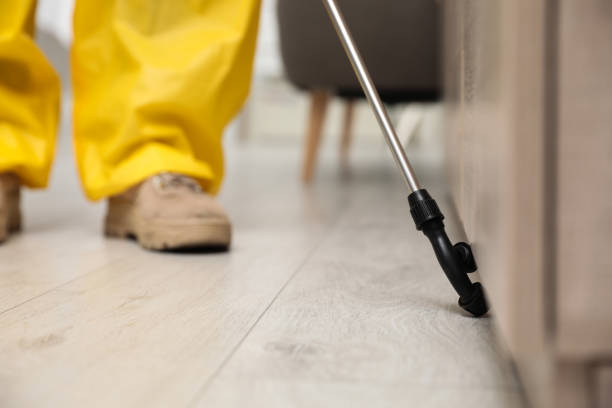
Maintaining a pest-free home is essential for ensuring the health, safety, and comfort of its inhabitants. Pests like rodents, insects, and other unwelcome critters can cause significant damage to property and pose health risks. Comprehensive residential pest management solutions are crucial in effectively managing and preventing pest infestations. These solutions emphasize not only the elimination of existing pests but also the prevention of future invasions through a combination of proactive and reactive strategies.
Understanding Pest Management
Pest management involves a structured approach to controlling pests in a residential setting. The primary objective is to manage pest populations below an acceptable threshold using environmentally friendly tactics. Key components of pest management include:
- Identification of pest species and understanding their behavior.
- Assessment of the extent of infestation and identification of potential entry points.
- Implementation of control measures, including chemical, biological, and physical methods.
- Regular monitoring and evaluation to ensure the effectiveness of the management strategies.
Methods of Pest Control
Effective pest management employs a variety of control methods, each tailored to specific pest problems and environments. These methods include:
Chemical Control
Chemical control involves the use of pesticides to eradicate pests. It is a common method due to its quick results. However, the application of chemicals should be done cautiously and by professionals to minimize health risks and environmental impact.
Biological Control
Biological control utilizes natural predators or parasites to control pest populations. This eco-friendly approach often involves introducing beneficial organisms that prey on pests, reducing their numbers naturally.
Learn more in this detailed guide.
Physical Control
Physical control methods include traps, barriers, and manual removal to prevent pests from entering or staying in the home. These methods are often used in conjunction with other strategies for maximum effectiveness.
Preventive Measures
Prevention is a critical component of pest management. By implementing preventive measures, homeowners can significantly reduce the likelihood of infestations. Key preventive strategies include:
- Sealing cracks and openings to block entry points for pests.
- Maintaining cleanliness to eliminate food sources that attract pests.
- Regular inspections to detect early signs of pest activity.
- Proper waste management to deter rodents and insects.
Explore further insights here.
Benefits of Professional Pest Management
Engaging professional pest management services offers numerous benefits, including:
- Expert knowledge and experience in dealing with different types of pests.
- Access to advanced tools and methods not readily available to homeowners.
- Customized pest management plans tailored to specific needs and environments.
- Ongoing support and monitoring to ensure long-term pest control.
Find additional information here.
In conclusion, comprehensive residential pest management solutions are crucial for maintaining a safe and comfortable living environment. By understanding the different methods and benefits of professional pest control, homeowners can make informed decisions to protect their homes from unwanted pests.