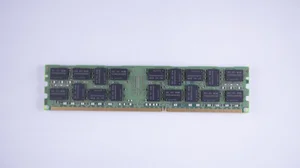
In today’s fast-paced digital environment, the efficiency of server memory solutions is more crucial than ever. The capacity and speed of Random Access Memory (RAM) can significantly affect the performance of servers, which are pivotal for managing large volumes of data and complex applications. Investing in the right RAM is essential for optimizing server performance and ensuring seamless operations. This article explores the key considerations when buying computer RAM to enhance server efficiency, offering insights into making informed purchasing decisions.
Understanding Server RAM Requirements
Before purchasing RAM, it’s essential to understand the specific requirements of your server environment. This involves assessing:
- Workload Type: Different workloads, such as virtualization, database management, or web hosting, have varying memory needs.
- Capacity Needs: The amount of RAM required depends on the server’s role and the type of applications it will support.
- Memory Speed: Higher memory speeds can improve data processing times, enhancing overall server performance.
To delve deeper into understanding these requirements, read more about this topic.
Choosing the Right Type of RAM
DDR4 vs. DDR5
The type of RAM can significantly impact server efficiency. Currently, DDR4 and DDR5 are the prevalent standards:
- DDR4: Widely used, offering a good balance of speed and affordability. Suitable for most existing server setups.
- DDR5: The latest standard, providing higher speeds and greater bandwidth. Ideal for cutting-edge applications requiring peak performance.
For a comprehensive comparison, learn more in this detailed guide.
Error-Correcting Code (ECC) RAM
ECC RAM is crucial for maintaining data integrity, especially in critical server environments. It helps detect and correct common types of data corruption:
- Prevents data corruption.
- Ensures high availability and reliability.
- Essential for mission-critical applications.
To understand the importance of ECC RAM, explore further insights here.
Installation and Upgrade Considerations
Once the appropriate RAM type and capacity are selected, proper installation and upgrades are crucial. Consider the following:
- Compatibility: Ensure the new RAM is compatible with existing server hardware and software.
- Installation Procedure: Follow manufacturer guidelines for installation to avoid hardware damage.
- Testing: Conduct thorough testing post-installation to confirm performance improvements and stability.
For more installation tips, find additional information here.
Conclusion
Investing in the right computer RAM is a critical decision that can have lasting impacts on server performance and efficiency. By understanding specific server requirements, selecting the appropriate RAM type, and ensuring proper installation, businesses can optimize their server operations. For those looking to enhance their server memory solutions, it is advisable to continually stay informed about the latest advancements in RAM technology.