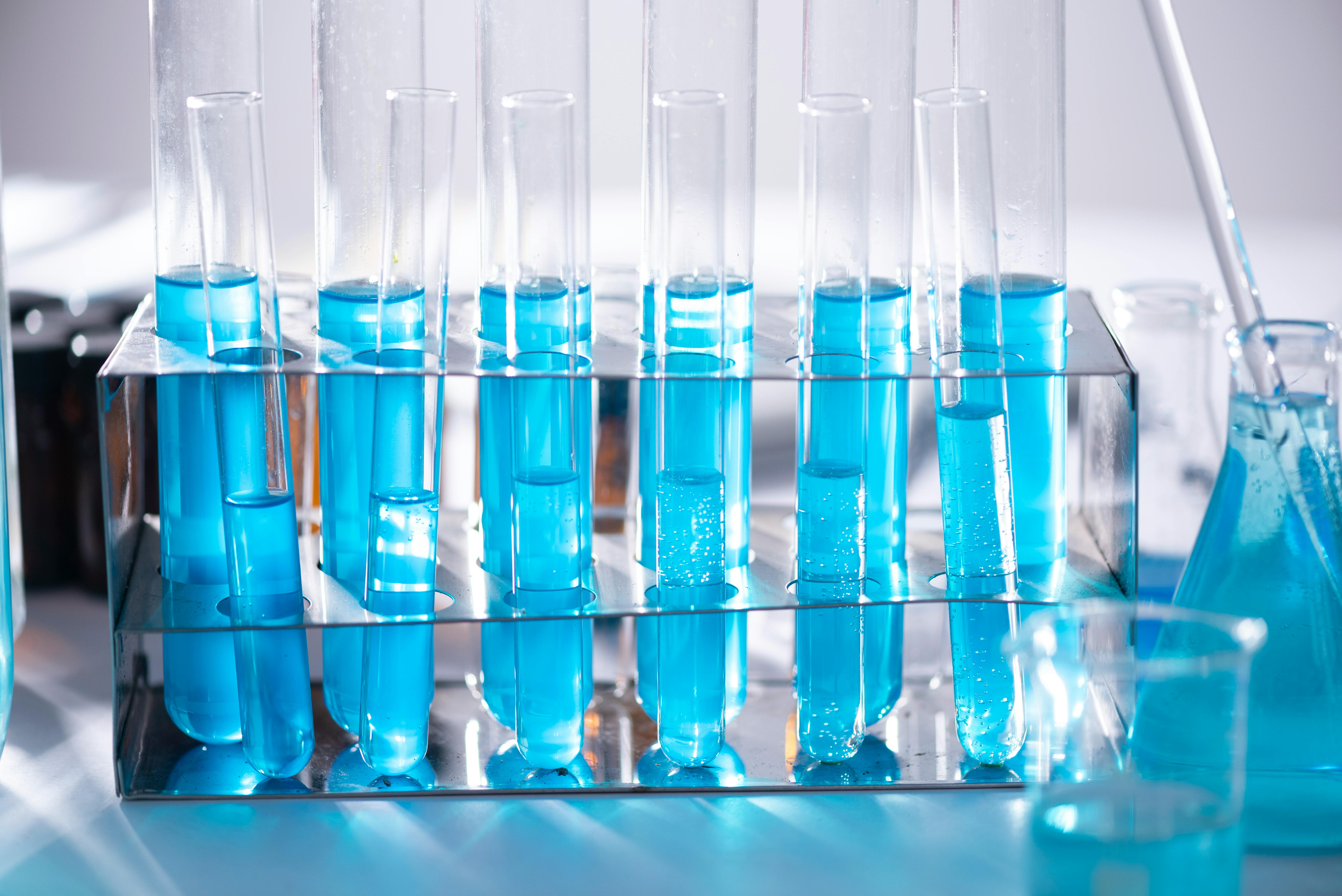
In today’s world, ensuring the safety and quality of products is paramount for consumer trust and regulatory compliance. Bacteriological testing services play a crucial role in safeguarding public health by detecting harmful bacteria in a wide range of products and environments. These services are essential across various industries, including food and beverage, pharmaceuticals, cosmetics, and water treatment. Understanding the importance and methodologies of bacteriological testing can help businesses maintain high safety standards and prevent potential outbreaks of bacterial infections.
Why Bacteriological Testing is Important
The primary purpose of bacteriological testing is to identify and quantify bacteria in various samples. This testing is vital for several reasons:
- Ensures compliance with health and safety regulations.
- Prevents contamination and associated health risks.
- Maintains product quality and consumer confidence.
- Helps in the identification of potential sources of contamination.
For more detailed information on the importance of bacteriological testing, explore further insights here.
Common Methods of Bacteriological Testing
1. Culture Methods
Culture methods involve growing bacteria on specific media to detect their presence. These traditional methods are widely used due to their reliability and ability to identify specific bacterial strains.
2. Molecular Methods
Molecular techniques, such as Polymerase Chain Reaction (PCR), are employed for rapid and precise identification of bacteria. These methods are particularly useful for detecting bacteria that are difficult to culture.
3. Rapid Testing Kits
Rapid testing kits offer a quick and efficient way to screen for bacteria. These kits are often used for on-site testing where immediate results are necessary.
To learn more about these methodologies, read more about this topic.
Applications Across Industries
Bacteriological testing services are indispensable across various industries. Some of the key sectors include:
- Food and Beverage: Ensures that products are free from harmful bacteria like Salmonella and E. coli.
- Pharmaceuticals: Verifies the sterility of drugs and medical devices.
- Cosmetics: Confirms that products are safe for human use by checking for bacterial contamination.
- Water Treatment: Monitors water quality to prevent waterborne diseases.
For a detailed guide on bacteriological testing in different sectors, learn more in this detailed guide.
Choosing the Right Bacteriological Testing Service
When selecting a bacteriological testing service, consider the following factors:
- Accreditation and certification of the testing facility.
- Range of testing methods available.
- Turnaround time for test results.
- Experience and expertise in the relevant industry.
Find additional information on selecting appropriate testing services here.
Conclusion
Bacteriological testing services are a critical component in ensuring the safety and quality of products across various industries. By understanding the methods and applications of these tests, businesses can better protect their consumers and comply with regulatory standards. For further insights into bacteriological testing, consider exploring additional resources and expert opinions.