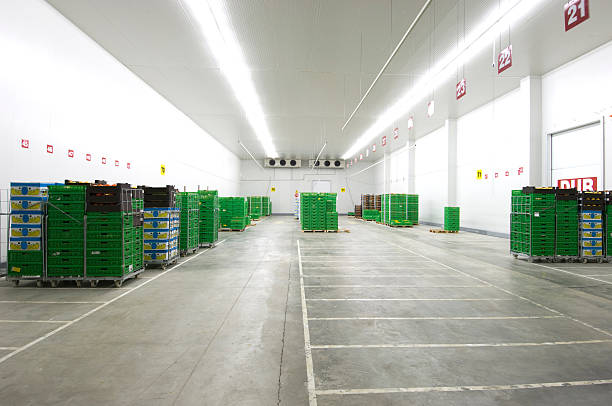
The cold chain infrastructure is a crucial component of global supply chains, ensuring that temperature-sensitive products like food and pharmaceuticals maintain their integrity from production to consumption. With the rising demand for efficiency and reliability in these sectors, automating industrial freezer warehouses emerges as a pivotal advancement. Automation not only optimizes operations but also enhances the safety and quality of products, making it a significant focus for industry leaders.
Understanding Automation in Cold Storage
Automation in cold storage involves integrating advanced technologies to streamline operations in freezer warehouses. This includes the use of robotics, IoT devices, and sophisticated management software to perform tasks traditionally handled by human workers.
Key Benefits of Automation
- Enhanced Efficiency: Automated systems can operate 24/7 without the need for breaks, significantly increasing throughput and reducing the time products spend in storage.
- Improved Accuracy: By minimizing human intervention, automation reduces errors in inventory management, ensuring accurate stock levels and precise order fulfillment.
- Cost Savings: Though the initial investment in automation technology can be substantial, the long-term savings from reduced labor costs and improved energy efficiency are significant.
- Safety and Working Conditions: Automation reduces the need for workers to operate in freezing environments, thus improving safety and minimizing health risks.
- Scalability: Automated systems can easily be scaled to meet increasing demand without the complexities of hiring and training additional staff.
Find out more about this approach to cold storage automation and its transformative impact on efficiency here.
Integrating Technology in Freezer Warehouses
The integration of technology in freezer warehouses is a multi-faceted approach that requires careful planning and execution. Here are some critical components and strategies:
Robotics and Automated Guided Vehicles (AGVs)
- Robotics: Robots are utilized for various tasks, including picking, packing, and palletizing, reducing the need for human intervention in cold environments.
- AGVs: These vehicles transport goods within the warehouse, optimizing the flow of materials and reducing bottlenecks.
Explore advanced guides and tips on integrating robotics and AGVs into cold storage facilities here.
Internet of Things (IoT) and Data Analytics
- IoT Devices: These devices monitor and collect data on temperature, humidity, and other critical parameters in real-time, ensuring the optimal storage conditions for products.
- Data Analytics: Analyzing data collected by IoT devices allows for predictive maintenance and informed decision-making, further optimizing operations.
Discover expert strategies for leveraging IoT and data analytics in cold storage here.
Challenges and Considerations
While the benefits of automating industrial freezer warehouses are clear, there are challenges and considerations to address:
- Initial Investment: The cost of implementing automation technologies can be high, requiring careful financial planning and justification.
- Technical Expertise: Operating and maintaining advanced systems necessitates skilled personnel, which may require additional training or hiring.
- System Integration: Ensuring seamless integration of new technologies with existing systems can be complex and time-consuming.
- Data Security: As with any connected system, ensuring the security of data and systems against cyber threats is paramount.
Learn about tailored solutions to overcome these challenges and maximize the benefits of automation in cold storage here.
Conclusion
Automating industrial freezer warehouses represents a significant step forward in enhancing cold chain infrastructure. By embracing technology, businesses can achieve greater efficiency, accuracy, and safety in their operations. For those looking to stay competitive and meet the demands of a rapidly evolving market, exploring these automation strategies is essential. Find out more about how these innovations are shaping the future of cold storage.