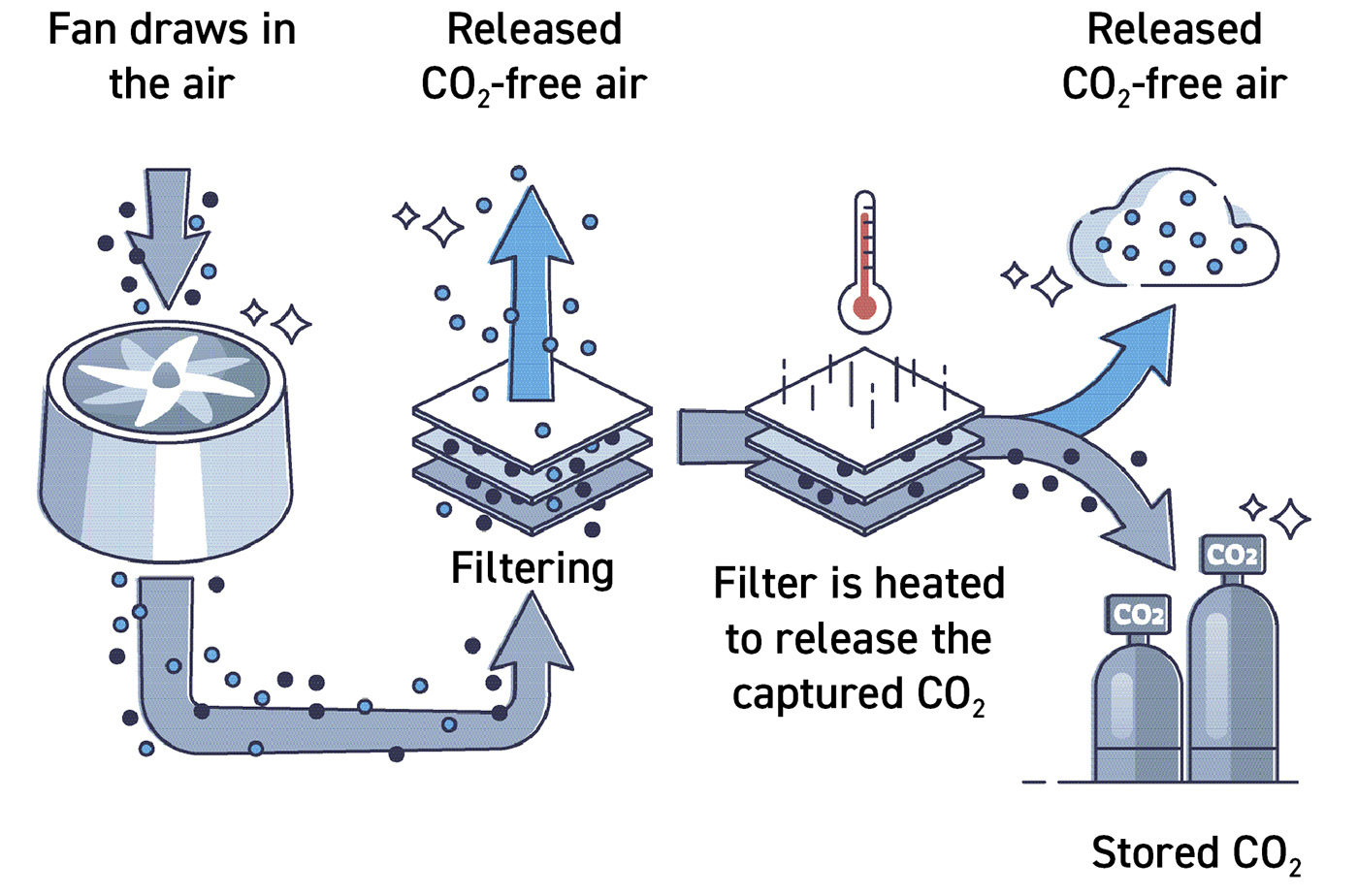
As the global community continues to grapple with the adverse effects of climate change, the importance of carbon capture technology is more pronounced than ever. Carbon capture efficiency plays a critical role in reducing greenhouse gas emissions and mitigating climate change. This article will explore strategies and practices for achieving optimal efficiency in carbon capture processes, highlighting the key factors that influence performance and the best practices to enhance outcomes.
Understanding Carbon Capture Efficiency
Carbon capture efficiency refers to the effectiveness with which carbon dioxide (CO2) is captured from industrial processes or the atmosphere. It is a crucial metric in evaluating the success of carbon capture technologies and their ability to lower carbon footprints. Several factors influence efficiency, including the technology used, the source of emissions, and operational conditions.
Factors Influencing Efficiency
- Technology Type: Different technologies such as pre-combustion, post-combustion, and oxy-fuel combustion offer varying levels of efficiency.
- Source Characteristics: The concentration and flow rate of CO2 in emissions affect capture efficiency.
- Operational Conditions: Temperature, pressure, and other environmental conditions play a significant role.
Strategies for Enhancing Carbon Capture Efficiency
Improving carbon capture efficiency involves adopting innovative technologies and optimizing existing processes. Here are some strategies to consider:
Advanced Technologies
Investing in advanced carbon capture technology can significantly boost efficiency. Emerging methods such as solid sorbents, membrane separation, and bioenergy with carbon capture and storage (BECCS) provide promising results.
Process Optimization
- Regular Maintenance: Ensuring that carbon capture equipment is well-maintained can prevent efficiency losses.
- Automation: Implementing automated systems for monitoring and controlling capture processes can enhance precision and efficiency.
- Energy Integration: Integrating carbon capture systems with other energy processes can lead to better energy utilization and reduced costs.
The Role of Policy and Regulation
Government policies and regulations significantly impact carbon capture initiatives. Supportive frameworks can drive research and development, leading to more efficient technologies. Incentives and subsidies may encourage industries to adopt carbon capture solutions, thus contributing to overall efficiency improvements.
Global Initiatives and Cooperation
International cooperation is vital for advancing carbon capture technologies. Collaborative efforts can lead to shared research, pooled resources, and ultimately, more effective solutions. Global initiatives play an essential role in setting standards and benchmarks for carbon capture efficiency.
Conclusion
Achieving optimal carbon capture efficiency requires a multifaceted approach that includes leveraging advanced technologies, optimizing processes, and fostering policy support. As the world moves towards a more sustainable future, the role of effective carbon capture cannot be overstated. By focusing on efficiency, the global community can make significant strides in reducing greenhouse gas emissions and mitigating the impacts of climate change.