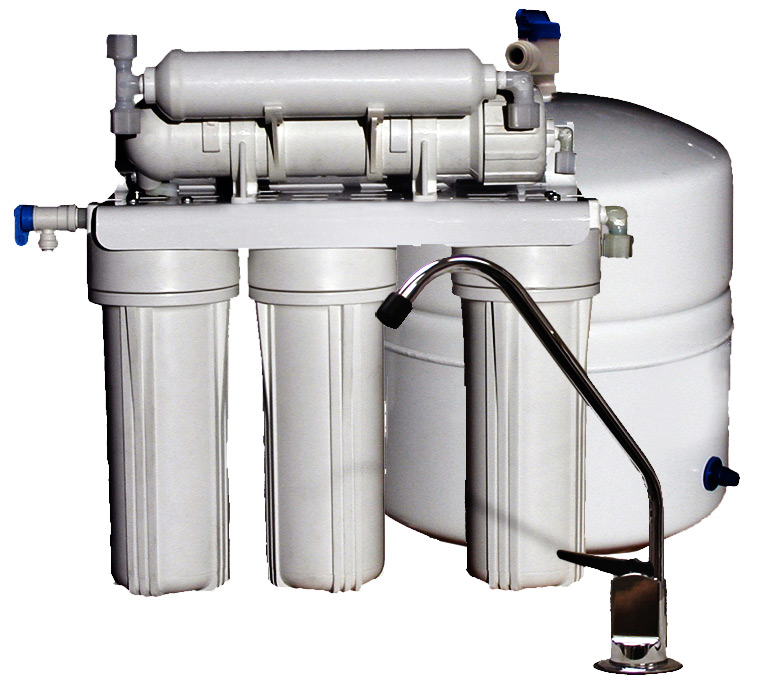
Water quality is a crucial aspect of our daily lives, impacting everything from our health to the longevity of our home appliances. As concerns about impurities and contaminants in tap water grow, many households are seeking effective solutions to ensure their water is clean and safe. Reverse osmosis is a proven method that can significantly improve water quality by removing contaminants and enhancing taste. This article explores the benefits and workings of reverse osmosis, helping you make informed decisions for your water purification needs.
Understanding Reverse Osmosis
Reverse osmosis (RO) is a water purification process that uses a semi-permeable membrane to remove ions, unwanted molecules, and larger particles from drinking water. It is highly effective in filtering out:
- Dissolved salts
- Lead and other heavy metals
- Pesticides and herbicides
- Microplastics
- Viruses and bacteria
This process works by applying pressure to the water, forcing it through the membrane, leaving impurities behind. Find out more about this approach to water filtration.
Key Benefits of Reverse Osmosis
The advantages of reverse osmosis systems are numerous, making them a popular choice for households and businesses alike:
- Improved Taste and Odor: By removing chlorine and other chemicals, RO systems enhance the flavor and smell of the water.
- Health Benefits: Reducing harmful contaminants ensures safer drinking water.
- Cost-Effective: Over time, using an RO system can be more economical than purchasing bottled water.
- Environmental Impact: Decreases the reliance on plastic bottles, reducing waste.
Explore advanced guides and tips to maximize the efficiency of your RO system.
Installation and Maintenance
Installing a reverse osmosis system can be straightforward, but it is often best handled by professionals to ensure optimal performance. Regular maintenance is crucial to keep the system running efficiently:
Installation Tips
- Choose a system that fits your household’s needs and water usage.
- Consider professional installation for peace of mind and warranty purposes.
- Ensure there is enough space under your sink for the system and storage tank.
Maintenance Advice
- Change filters every 6 to 12 months, depending on usage.
- Sanitize the system annually to prevent bacterial growth.
- Monitor membrane performance and replace it every 2 to 3 years.
Discover expert strategies here for maintaining your reverse osmosis system.
Conclusion
Investing in a reverse osmosis system can transform your water quality, providing safe, clean, and great-tasting water for your home or business. By understanding the benefits and requirements of these systems, you can make an informed decision and enjoy the peace of mind that comes with knowing your water is free from harmful contaminants. Learn about our tailored solutions to enhance your water quality today.