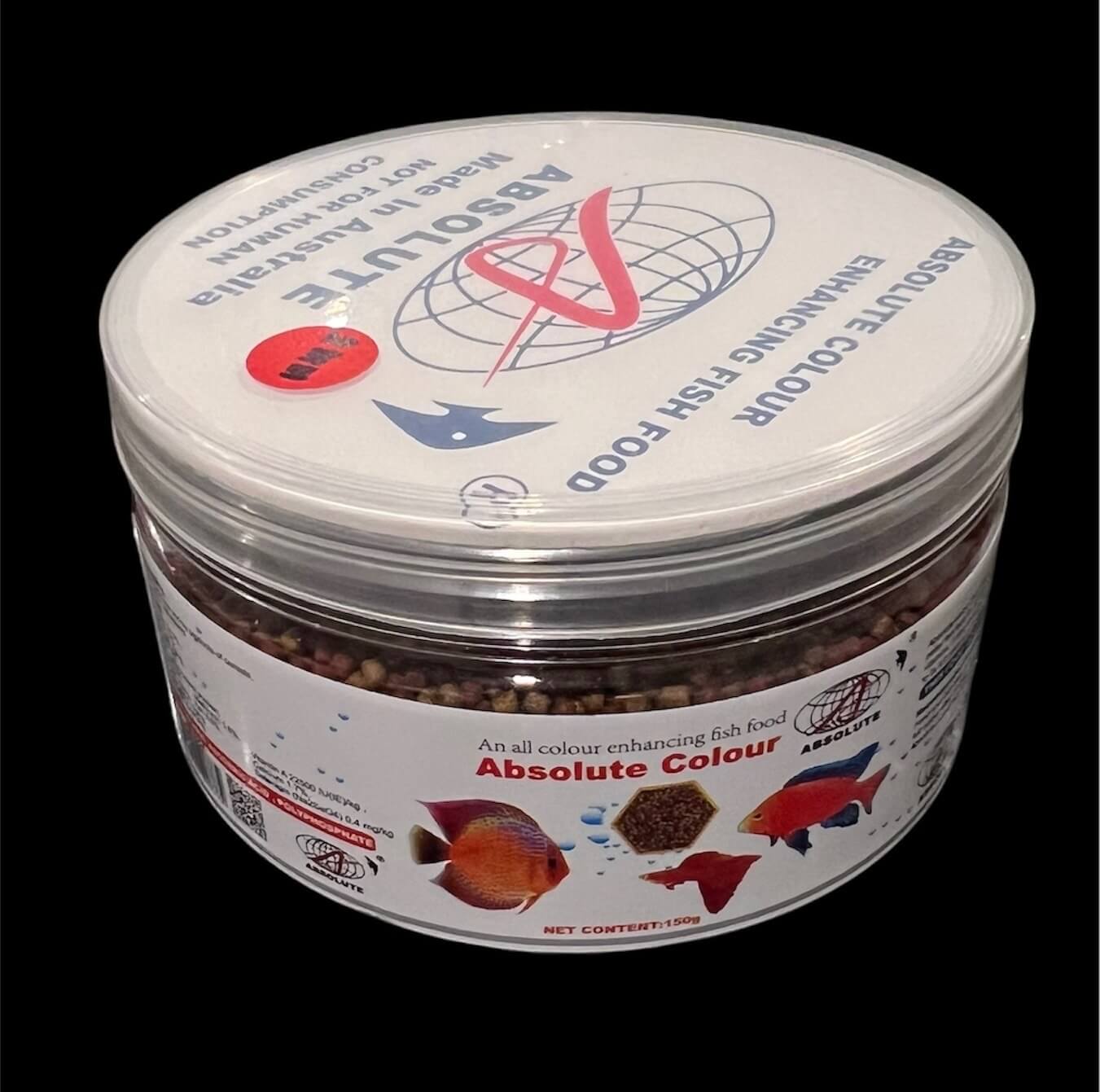
Cichlids are a diverse group of freshwater fish known for their vibrant colors and engaging behaviors, making them a favorite among aquarists. Choosing the right food for cichlids is crucial not only for their health and vibrant appearance but also for their general well-being and longevity. Understanding the dietary needs of cichlids and providing them with quality food can enhance their coloration, boost their immune system, and ensure they thrive in a home aquarium setting.
Types of Cichlid Fish Food
Providing a variety of foods that mimic their natural diet is essential for keeping cichlids healthy. Here are some popular types of foods:
Pellets and Flakes
- Formulated specifically for cichlids, they offer balanced nutrition.
- Pellets are often more suitable for larger cichlids, while flakes are good for smaller species.
- Ensure the food is high in protein and contains essential vitamins and minerals.
- Explore advanced guides and tips.
Frozen and Live Foods
- Include foods like brine shrimp, bloodworms, and daphnia for variety and enrichment.
- Provide a natural source of nutrition that stimulates natural hunting behaviors.
- Can be used as a treat or supplement to regular feeding.
- Discover expert strategies here.
Vegetable Matter
- Some cichlid species require plant-based diets, such as African Rift Lake cichlids.
- Include spirulina-based foods, spinach, and zucchini.
- Important for maintaining a balanced diet and preventing digestive issues.
- Learn about our tailored solutions.
Feeding Frequency and Quantity
Feeding your cichlids the right amount at the right time is crucial for their health. Overfeeding can lead to water quality issues and health problems.
- It is generally recommended to feed cichlids 1-2 times daily.
- Only provide as much food as they can consume in a few minutes to prevent leftovers from decaying in the tank.
- Consider occasional fasting days to mimic their natural feeding habits and promote digestive health.
- Find out more about this approach.
Special Considerations for Different Cichlid Species
Cichlids vary widely in their dietary needs based on their species and natural habitat.
- Dwarf Cichlids: Typically require smaller food particles and may benefit from a diet high in protein.
- Central and South American Cichlids: Often larger and more aggressive feeders, they benefit from a diet rich in animal proteins.
- African Cichlids: Require more plant-based foods to prevent bloating and other gastrointestinal issues.
Conclusion
Understanding the specific dietary needs of your cichlid species and providing a varied diet is key to maintaining their health and vibrancy. By catering to their unique nutritional requirements and feeding habits, aquarists can ensure their cichlids remain healthy and active. For further resources and recommendations, aquarists can explore advanced guides and tips to enhance their cichlid care knowledge.