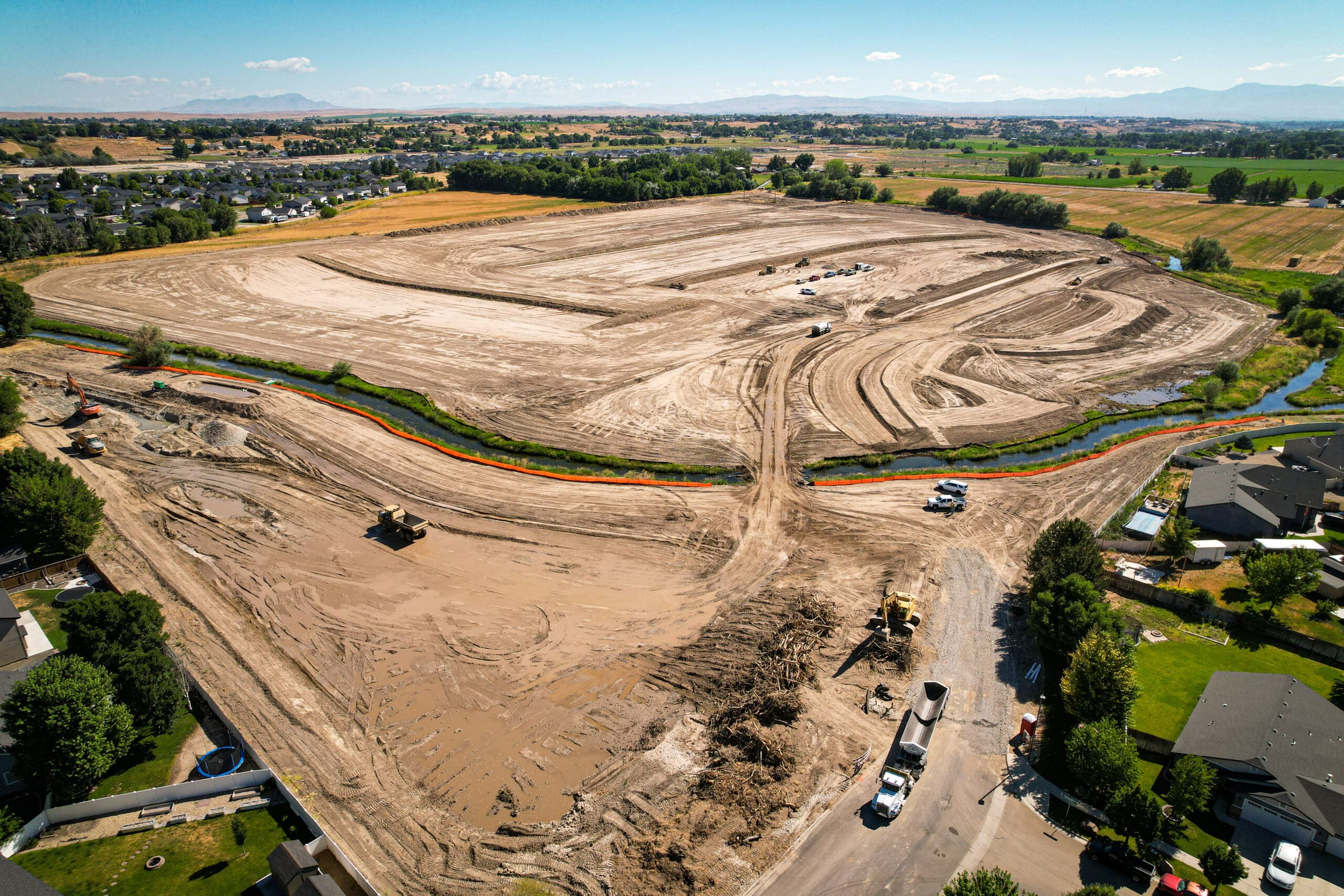
In the realm of construction, efficiency and precision are paramount. As projects grow in complexity, managing resources effectively becomes crucial. A key component often overlooked is the implementation of professional irrigation services. These services not only enhance the efficiency of construction projects but also ensure sustainability and environmental responsibility. By integrating advanced irrigation systems, construction sites can better manage water resources, reduce waste, and maintain optimal conditions for various activities. This article explores the benefits and considerations of employing professional irrigation services in construction projects.
The Importance of Professional Irrigation Services
Professional irrigation services play a vital role in the construction industry. These services ensure that water is distributed efficiently across the site, which is essential for a variety of reasons:
- Prevention of soil erosion and dust control, ensuring a safer and cleaner work environment.
- Support for landscaping efforts, crucial for the aesthetic and functional value of the construction site.
- Efficient water management reduces costs and promotes sustainability.
- Compliance with regulatory standards and environmental guidelines.
Enhancing Efficiency with Advanced Irrigation Techniques
Modern irrigation techniques have transformed the way water is managed on construction sites. By leveraging technology, projects can achieve greater precision and control. Here are some advanced techniques that are making a significant impact:
1. Smart Irrigation Systems
The advent of smart irrigation systems has revolutionized water management. These systems employ sensors and automated controls to optimize water use, adjusting to weather conditions and soil moisture levels in real-time. This not only conserves water but also ensures that the landscape and site remain in optimal condition.
2. Drip Irrigation
Drip irrigation provides water directly to the roots of plants and landscaped areas, minimizing evaporation and runoff. This method is particularly beneficial for construction sites with extensive green areas, as it enhances water efficiency and promotes healthy plant growth.
Choosing the Right Irrigation System for Construction Sites
Selecting the appropriate irrigation system for a construction site involves careful consideration of several factors:
- Site Analysis: Conduct a thorough analysis of the site to determine specific needs such as soil type, topography, and existing vegetation.
- Water Availability: Evaluate the availability and sources of water to ensure sustainable usage and compliance with local regulations.
- System Design: Choose a system design that aligns with the project?s goals, whether it be irrigation system installation or the integration of advanced technologies.
- Cost and Maintenance: Consider the initial costs as well as the long-term maintenance requirements of the system.
Environmental and Economic Benefits
Incorporating construction irrigation solutions offers both environmental and economic benefits. Properly managed irrigation systems help reduce water waste, thereby lowering operational costs. Additionally, these systems can improve the ecological health of construction sites, fostering biodiversity and reducing the project’s overall carbon footprint.
Conclusion
The integration of professional irrigation services into construction projects is not merely an ancillary consideration but a strategic component that enhances overall efficiency and sustainability. By adopting advanced irrigation techniques and selecting the right systems, construction sites can achieve significant gains in resource management and environmental responsibility. As the construction industry continues to evolve, the role of efficient water management will undoubtedly remain a cornerstone of successful project execution.