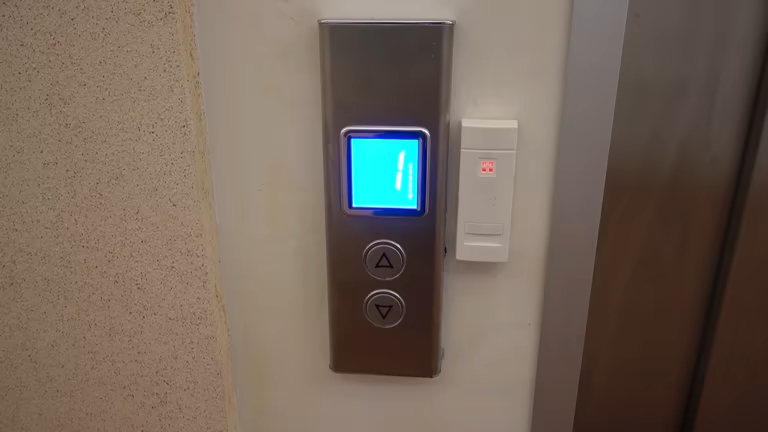
In the world of modern architecture and urban development, vertical transportation is a critical component. Elevators have become indispensable in facilitating seamless movement within multi-story buildings, and at the heart of these systems lies the elevator control panel. This integral piece of technology not only ensures the efficient operation of elevators but also enhances user experience by providing intuitive and responsive controls. Understanding the significance and functionality of the elevator control panel can illuminate the critical role it plays in enabling safe and reliable transportation.
The Role of Elevator Control Panels
Elevator control panels serve as the nerve center of elevator operations. They incorporate advanced technology to manage and direct the movement of elevators within a building. These panels are designed to handle various functions, including:
- Directing the elevator’s movement to specific floors efficiently.
- Ensuring passenger safety through emergency controls and alerts.
- Providing real-time information about elevator status and location.
- Facilitating maintenance through diagnostic features and alerts.
Components of a Modern Elevator Control Panel
The complexity of a control panel for elevator systems can vary significantly, but modern panels generally include several key components designed for optimal performance:
Microprocessors
These are the brains of the control panel, responsible for processing commands and managing the elevator’s operation. Advanced microprocessors enable precise control and enhance the responsiveness of the system.
Display Screens
Display screens provide passengers with essential information, such as the current floor, direction of movement, and any service announcements. They are crucial for ensuring passengers have a clear understanding of the elevator’s status.
Control Buttons
Buttons on the control panel allow passengers to select their desired floor, open or close doors, and trigger emergency functions if needed. The design of these buttons focuses on durability and ease of use.
Advanced Features in Elevator Control Panels
With technological advancements, elevator control panels have evolved to include features that enhance both functionality and user experience:
- Touchscreen Controls: Offer a modern interface that is intuitive and easy to use.
- Voice Activation: Provides convenience and accessibility, particularly beneficial for individuals with disabilities.
- Energy Efficiency: Modern panels incorporate systems that reduce energy consumption by optimizing elevator movements.
- Remote Monitoring: Allows for real-time tracking and diagnostics, helping to identify and resolve issues swiftly.
The Future of Elevator Control Panels
As technology continues to advance, elevator control panels are expected to become even more sophisticated. Future developments may include integration with building management systems, enhanced AI capabilities for predictive maintenance, and improved security features. These innovations aim to further streamline vertical transportation and enhance safety and efficiency.
Conclusion
Elevator control panels play a pivotal role in ensuring the smooth operation of elevators, making them an essential component of modern buildings. Through continuous innovation and technological advancements, these panels are set to offer even greater functionality and efficiency in the future. Understanding their components, features, and the potential for future developments underscores their importance in the realm of vertical transportation. For those seeking to delve deeper into the specifics of elevator control technology, exploring resources such as a control panel for elevator can provide more detailed insights.