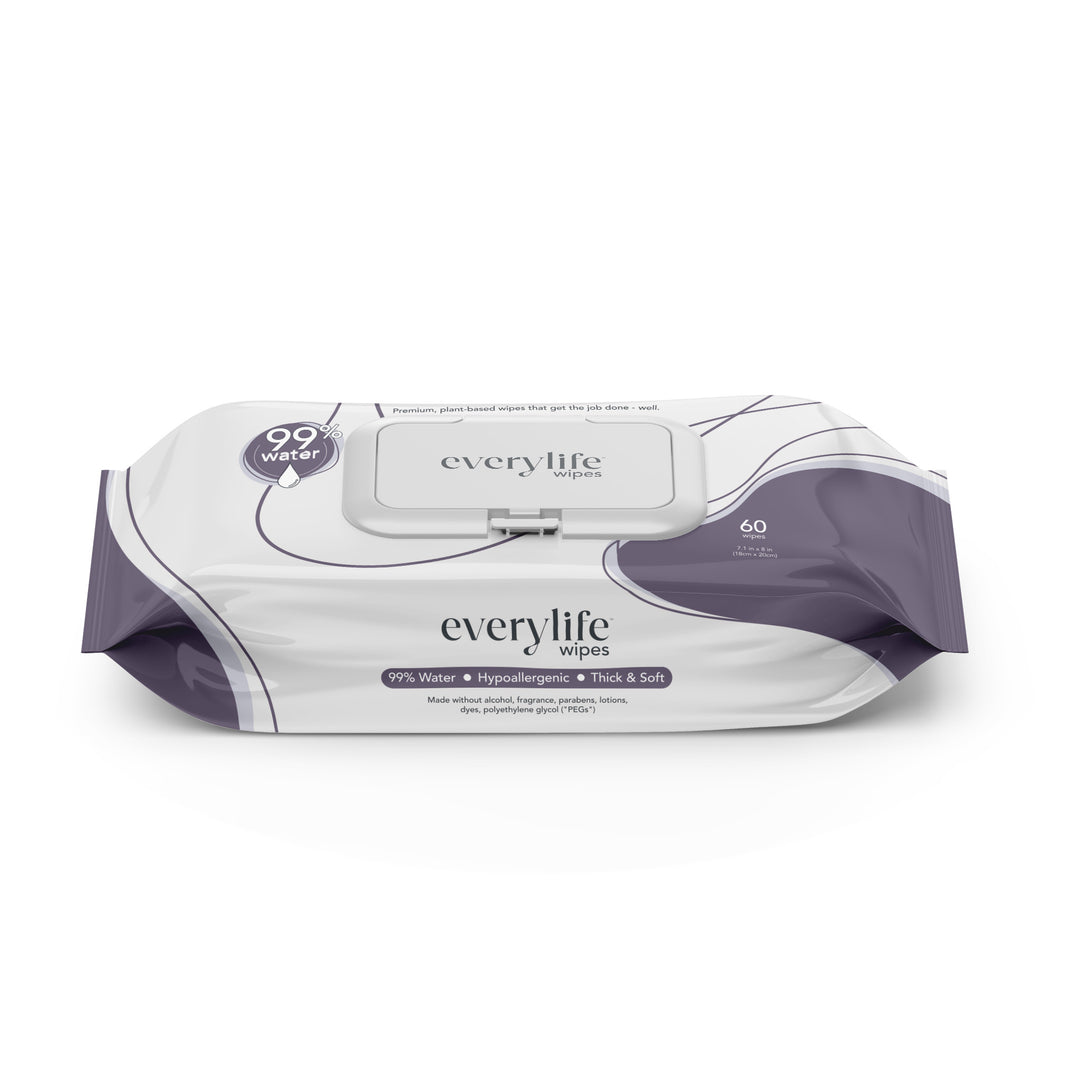
Choosing products for a baby can be a daunting task, especially when considering items that touch their delicate skin. Among the essential products for every parent are baby wipes, which are used multiple times a day. With countless options available, selecting the safest baby wipes is crucial to ensure your child?s comfort and health. This article will guide you through the process of finding the most suitable wipes for your little one, emphasizing safety and quality.
Understanding Ingredients
The first step in choosing baby wipes is understanding the ingredients used in their manufacture. Not all wipes are created equal, and some contain harsh chemicals that may irritate sensitive skin. Here are some ingredients to watch out for:
- Fragrances: Often used to mask odors, fragrances can cause allergic reactions and skin irritations. Opt for fragrance-free wipes.
- Alcohol: Can dry out the skin and cause irritation. Look for alcohol-free options.
- Parabens: Used as preservatives, parabens can disrupt hormones and have been linked to potential health risks.
- Phthalates: Often found in scented products, phthalates are chemicals that can affect the endocrine system.
Checking Certifications
When selecting the best baby wipes, looking for certifications can be a helpful indicator of safety and quality. Consider the following certifications:
- Dermatologically Tested: Indicates that the wipes have been tested on human skin and found to be safe.
- Hypoallergenic: Designed to minimize the risk of an allergic reaction, making them suitable for sensitive skin.
- Eco-certification: Ensures that the wipes are made from sustainable materials and are environmentally friendly.
Material Matters
The material of the wipes is just as important as the ingredients. Understanding the different types of materials can help you make an informed decision:
Cotton
Cotton is a natural fiber that is soft and gentle on the skin. Organic cotton wipes are an excellent choice for those looking to avoid synthetic materials.
Viscose
Derived from wood pulp, viscose is a semi-synthetic fiber known for its softness and absorbency. It is often used in combination with other materials to enhance softness.
Polyester
While not a natural fiber, polyester is durable and often blended with natural fibers to create a stronger wipe. Consider a balanced blend for strength and softness.
Consider Eco-Friendly Options
The impact of baby wipes on the environment cannot be ignored. Choosing eco-friendly options not only benefits the planet but also ensures your child is exposed to fewer chemicals:
- Biodegradable Wipes: These break down naturally and reduce landfill waste.
- Reusable Cloth Wipes: Made from natural fibers, they can be washed and reused, reducing overall waste.
- Packaging: Look for products with recyclable or minimal packaging to further reduce environmental impact.
Testing for Sensitivity
Once you’ve shortlisted a few options, testing the wipes on a small area of your baby’s skin can help determine if they are suitable. Observe any reactions such as redness or irritation before regular use.
In conclusion, selecting the safest baby wipes involves a careful examination of ingredients, certifications, and materials. By considering eco-friendly options and conducting sensitivity tests, you can ensure that your choice will keep your baby comfortable and safe. Explore a range of baby wipes to find the best fit for your child’s needs.