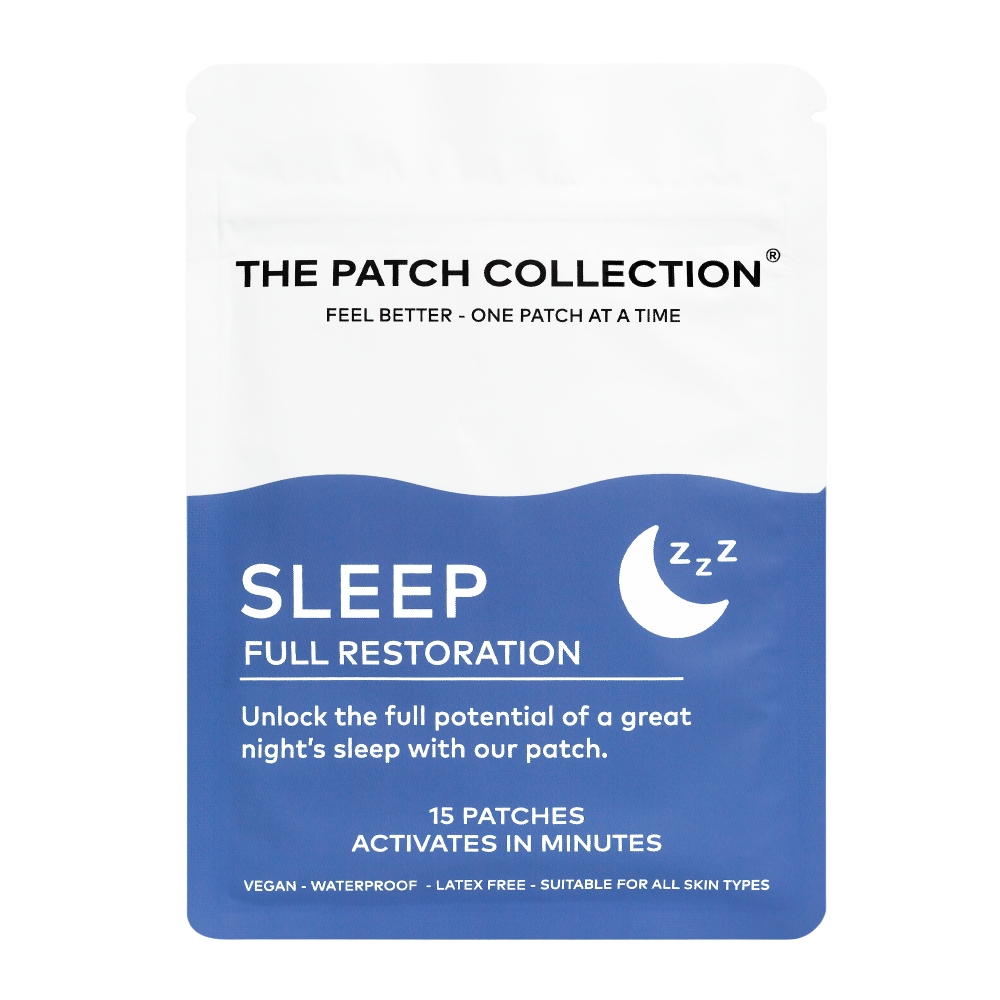
Sleep quality has become a central focus for many people across the UK, especially as modern lifestyles increasingly interfere with natural rest cycles. While traditional methods such as herbal teas, melatonin supplements, and sleep hygiene practices remain popular, a newer option, sleep patches, has begun to attract attention for its convenience and discreet application. This review examines real user experiences, the science behind transdermal delivery, and practical considerations for anyone thinking about adding a patch to their nightly routine. By drawing on testimonials from diverse demographics and linking to credible resources, the aim is to provide a balanced view that helps readers decide whether this innovation fits their personal sleep strategy.
How Sleep Patches Work: The Science of Transdermal Delivery
Sleep patches are designed to release a blend of natural ingredients through the skin, bypassing the digestive system and allowing for a steady absorption rate throughout the night. The key components typically include:
- Melatonin – a hormone that signals the brain to prepare for sleep.
- Lavender essential oil – known for its calming and anxiolytic properties.
- Magnesium – supports muscle relaxation and reduces nighttime cramps.
- Chamomile extract – gentle sedative that promotes a smoother transition into sleep.
Because the patch adheres to a clean, hair-free area of the skin (usually the upper arm or torso), the active ingredients diffuse directly into the bloodstream. This method can reduce the “peak-and-crash” effect sometimes reported with oral supplements, delivering a more consistent effect that aligns with the body’s natural sleep cycle.
Real-World Feedback from Users Across the UK
Positive Outcomes
Across forums, review sites, and direct testimonials, several recurring themes emerge among satisfied users:
- Faster sleep onset: Many report falling asleep within 15-30 minutes of applying the patch.
- Improved sleep continuity: Fewer awakenings during the night, leading to a higher proportion of deep sleep.
- Reduced reliance on pills: Users who previously took nightly tablets appreciate the patch’s “set-and-forget” nature.
- Convenient for travel: The discreet design makes it easy to use on trains, planes, or hotel rooms without drawing attention.
Constructive Criticism
While the majority of feedback is positive, some users note areas for improvement:
- Skin sensitivity: A small percentage experience mild irritation, especially if the patch is applied to freshly shaved skin.
- Variable potency: Individuals with higher body mass sometimes report a weaker effect, suggesting dosage adjustments may be needed.
- Cost considerations: Compared with bulk melatonin tablets, patches are priced higher per dose, which can be a factor for long-term use.
Choosing the Right Sleep Patch for Your Needs
When evaluating whether a sleep patch is suitable, consider the following criteria:
- Ingredient transparency: Look for products that clearly list concentrations of melatonin, magnesium, and botanical extracts.
- Patch adhesion quality: A good patch should stay in place for 6-8 hours without shifting.
- Allergen information: Verify that the adhesive does not contain latex or other common irritants.
- Customer support: Reliable brands often provide guidance on optimal placement and usage frequency.
For a curated selection that meets these standards, Discover expert strategies here and explore options that have been formulated with UK-based research.
Integrating Sleep Patches Into a Holistic Nighttime Routine
Even the most effective patch works best when combined with established sleep hygiene practices. Consider pairing the patch with the following habits:
- Dim the lights at least an hour before bedtime to stimulate melatonin production.
- Avoid screens or use blue-light filters to reduce cognitive stimulation.
- Maintain a consistent sleep-wake schedule, even on weekends.
- Incorporate a brief relaxation technique, such as progressive muscle relaxation or deep breathing, after applying the patch.
These complementary steps can amplify the patch’s benefits, creating a synergistic effect that supports deeper, more restorative sleep.
Where to Purchase and What to Expect
When ordering online, ensure the retailer provides clear information about batch numbers, expiration dates, and shipping conditions (e.g., temperature-controlled packaging). The typical package includes a blister pack of 14 patches, enough for a two-week trial period.
For detailed product specifications, dosage recommendations, and user guides, Learn about our tailored solutions. The site also offers a FAQ section that addresses common concerns such as patch removal, storage, and compatibility with other supplements.
Final Verdict: Are Sleep Patches Worth Trying?
Overall, sleep patches present a promising alternative for individuals seeking a non-oral, sustained-release sleep aid. The technology’s ability to deliver a balanced blend of melatonin, magnesium, and calming botanicals directly through the skin aligns with contemporary preferences for convenience and minimal disruption. While they may not replace all traditional methods, they can serve as a valuable component of a broader sleep-optimization strategy.
For those curious about trying this approach, Explore advanced guides and tips to understand proper usage, potential side effects, and how to monitor progress. By combining real-world user insights with scientific principles, readers can make an informed decision that supports healthier nights and more productive days.
To deepen understanding of the methodology behind transdermal sleep aids, Find out more about this approach. The resource provides additional reading on ingredient sourcing, clinical testing, and long-term efficacy, ensuring that the choice to adopt sleep patches is grounded in evidence rather than hype.